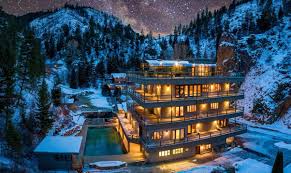
Sleeping Child Hot Springs Ultimate Visitor Guide
Sleeping Child Hot Springs is one of the most intriguing and inviting geothermal destinations in the Rocky Mountain region. Its name evokes curiosity, and its natural setting delivers a serene escape for nature lovers, wellness seekers, and travelers craving a unique mountain hot springs experience. Located in the Bitterroot Valley near Hamilton, Montana, this destination blends natural beauty, water therapy, and traveler-focused amenities into an unforgettable getaway.
This comprehensive guide covers everything you need to know about Sleeping Child Hot Springs, from geography and geology to visitor planning, safety tips, local culture, wellness benefits, activities, lodging, and nearby attractions. Whether you are planning your first trip or revisiting this destination, this guide will help you make the most of your experience.
What Sleeping Child Hot Springs Is and Why It’s Special
Sleeping Child Hot Springs is a waterfront property built around natural hot springs that are rich in minerals and heated by geothermal forces deep within the earth. Unlike many small hot springs that are informal or difficult to access, Sleeping Child Hot Springs combines:
- Natural hot and warm pools
- Well-maintained soaking areas
- Comfortable amenities
- Scenic mountain and forest views
- Group and private lodging options
It is set on a private estate that was once more publicly accessible but is now known for its retreat-style accommodations and immersive experience. The springs and surrounding land create layers of relaxation, making it ideal for solo travelers, couples, families, and large groups.
Geographic and Geological Context
Sleeping Child Hot Springs sits in the rugged foothills of the Bitterroot Mountain Range, a subrange of the larger Rocky Mountains. The Bitterroot Valley was carved over millennia by ancient glaciers and rivers, and its unique topography contributes to the geothermal activity that feeds the hot springs.
Local Geological Features
The area’s geology includes:
- Subsurface faults and fractures that allow groundwater to penetrate deep enough to be heated by geothermal gradients
- Mineral-rich formations that dissolve elements into the spring water as it travels upward
- Mountain aquifers that store and feed the springs
This combination produces hot springs of varying temperatures, which are enjoyable for soaking, relaxation, and therapeutic purposes.
The Story Behind the Name
The name Sleeping Child comes with folklore and cultural interpretations that add depth to the destination’s identity. Many visitors seek not just the physical retreat but also the story and meaning behind the name. Interpretations include:
- A symbolic representation of rest and renewal
- References to dawn light falling softly on the cliffs
- Descriptions rooted in the local landscape’s shape and contours
While the name is poetic, it also captures the emotional atmosphere that many guests experience when spending time at the springs — a feeling of restful, deep peace.
Natural Hot Springs Water and Mineral Composition
One of the main reasons travelers seek out Sleeping Child Hot Springs is the mineral-rich water. Geothermal springs like these are often characterized by specific minerals that provide both:
- Therapeutic sensations
- Unique water qualities
Some of the minerals commonly found in hot springs in the region include:
- Silica, known for its smooth feel
- Calcium and magnesium, which can support muscle relaxation
- Sulfur in trace amounts, associated with traditional healing properties
The water temperature at Sleeping Child can vary across pools, providing a range of experiences from warm and soothing to decidedly hot.
Planning Your Visit
Planning a visit to Sleeping Child Hot Springs involves several considerations, such as seasonal weather, travel logistics, lodging options, and soaking etiquette. The following sections break these elements down into practical, easy-to-apply checklists and tools.
Best Times of Year to Visit
Sleeping Child Hot Springs can be enjoyed year round, but the experience varies dramatically with the seasons.
Spring
- Melting snow and rising rivers increase scenic beauty
- Water temperatures remain comfortable, though air can be cool
- Less crowded than summer months
Summer
- Best weather for long soaking sessions and additional outdoor activities
- Longer daylight hours
- Ideal for families and extended trips
Autumn
- Stunning fall foliage enhances the landscape
- Cool crisp air contrasts beautifully with warm springs
- Moderate visitor levels
Winter
- Snowy backdrop creates a classic hot springs experience
- Deep winter soaking is unmatched if you enjoy thermal contrast
- Access may require careful driving; snow chains and preparedness are key
How to Get There
Sleeping Child Hot Springs is easily accessible by road, but it helps to plan the trip with advance navigation and travel considerations:
- Use GPS to navigate to the main property entrance near Hamilton, MT
- From Missoula, the drive is approximately one to two hours
- From Idaho or out-of-state, plan stops along Montana’s scenic highways
Travel considerations include:
- Road closures due to snow in winter
- Limited cell coverage in mountain areas
- Preparation with water, snacks, and emergency supplies
Lodging and Accommodation Options
Sleeping Child Hot Springs is known not only for its geothermal waters but also for the retreat-style accommodations available on the property or nearby. Options include:
On-Site Oasis Lodging
- Multiple bedrooms with group capacities
- Shared living spaces with views of the springs
- Proximity to soaking pools and outdoor areas
These offer immersive stays where guests can walk directly from their lodging to the springs.
Nearby Hotels and Inns
For travelers who prefer more conventional hotel stays, available choices within driving distance include:
- Hamilton area boutique hotels
- Bed and breakfast inns with local charm
- Budget motels for practical stops
Vacation Rental Alternatives
Numerous vacation homes and cabins in the Bitterroot Valley provide:
- Private soaking tubs
- Mountain views
- Easy access to local nature trails and rivers
Booking platforms often include detailed photos, guest reviews, and amenity checklists.
Soaking Rules and Etiquette
Hot springs etiquette helps maintain a welcoming and safe environment. While rules may vary by property policies, common best practices include:
- Rinse off before entering any hot spring pool
- Limit soaking sessions to 15–30 minutes at a time
- Avoid heavy perfumes or chemicals
- Stay hydrated before, during, and after soaking
- Respect scheduled quiet hours
- Follow posted signage for safety and water temperatures
These practices keep the springs enjoyable for all guests and help preserve the natural environment.
Hot Springs Safety Tips
Getting the most out of your visit includes prioritizing safety. Hot springs are soothing, but certain precautions help ensure a comfortable experience:
- Avoid soaking if you have certain health conditions without consulting a physician
- Keep children supervised at all times
- Step carefully on wet, uneven surfaces
- Avoid alcohol before or during extended soaking
- Listen to your body and take breaks as needed
Understanding personal limits and being aware of your surroundings enhances the therapeutic benefits without unnecessary risk.
Wellness Benefits of Hot Springs Soaking
Soaking in natural hot springs has long been associated with health and relaxation benefits. While individual experiences vary, common positive effects include:
- Muscle relaxation and tension release
- Improved circulation
- Mental stress reduction
- Enhanced sleep and calmness
- Soothing joint comfort after physical activity
Many visitors find that the combination of warm mineral water, peaceful surroundings, and time away from daily stress amplifies these benefits beyond the physical sensation of warmth.
Activities Beyond the Springs
Sleeping Child Hot Springs is located in a region rich with outdoor recreation and scenic exploration opportunities.
Hiking and Nature Trails
Nearby national forests and foothills offer:
- Easy to moderate hikes with panoramic views
- Wildlife observation areas
- Trails for walking, birding, and photography
Planning a morning hike and evening soak creates a balanced day in nature.
River and Lake Activities
The Bitterroot Valley features rivers and lakes ideal for:
- Fishing with appropriate permits
- Kayaking or paddleboarding
- Picnicking near water bodies
Water enthusiasts can enjoy both the hot springs and surrounding freshwater experiences.
Cultural and Local Experiences
The nearby towns offer local flavor through:
- Art galleries showing regional artists
- Farmer’s markets with seasonal produce
- Small cafés offering local cuisine
Visiting local businesses supports the community and enriches your travel experience.
Local Dining and Cuisine Options
When you’re not soaking or exploring, local restaurants and cafés offer:
- Farm-to-table meals
- Classic American diners with hearty breakfast options
- Specialty coffee shops for relaxed afternoon breaks
Nearby towns like Hamilton and Darby have menus that reflect the regional culture and ingredient availability.
Packing Guide for Hot Springs Travel
To prepare for a trip to Sleeping Child Hot Springs, consider packing the following essentials:
Personal Comfort
- Towels and microfiber cloths
- Water-resistant sandals
- Quick-dry clothing
- Warm layers for cooler evenings
- Swimwear designed for hot springs
Health and Safety
- Water bottle for hydration
- Sunscreen and lip protection
- First aid kit
- Flashlight for evening navigation
Technology and Navigation
- Offline maps for remote areas
- Fully charged phone with extra battery pack
- Camera or action camera for scenic captures
Packing smart not only improves comfort but also helps you stay prepared for changing mountain conditions.
Budgeting and Cost Considerations
Visiting Sleeping Child Hot Springs involves costs such as:
- Accommodation fees (depending on season and lodging type)
- Travel costs (fuel, vehicle maintenance)
- Food and dining
- Outdoor activity permits and equipment rentals
Planning ahead by comparing lodging rates, booking early for discounts, and combining goals (like hiking + soaking) in a single trip can help optimize your budget.
Group and Event Planning
Sleeping Child Hot Springs is popular for group travel, retreats, and celebrations. For group planning, consider:
- Confirming group capacity with lodging host
- Coordinating shared meals and activity schedules
- Establishing a meeting point and transport arrangements
- Communicating check-in, hot springs etiquette, and safety expectations
Group travel adds communal energy and can create memorable shared experiences.
Checkpoints for a Successful Visit
Before you leave home:
- Confirm reservations for lodging and any hot springs access
- Check weather forecasts for the area
- Pack documentation, emergency contacts, and directions
- Download offline maps and contact information
At the hot springs:
- Respect posted signage
- Observe others’ privacy and comfort
- Monitor hydration and time spent in hot water
- Keep pathways clear and safe
After your visit:
- Dry and warm up fully before long drives
- Stretch and hydrate to prevent stiffness
- Journal or reflect on your experience to integrate relaxation into daily life
Relaxation Rituals and Practices
Enhance your hot springs experience with intentional practices:
- Breathing exercises before entering water
- Mindful soaking with focus on sensations
- Gentle stretching between soaks
- Quiet reflection or journaling near the water
These rituals help make your trip a restorative reset rather than just a physical getaway.
Responsible Travel and Environmental Awareness
Preserving the natural beauty of Sleeping Child Hot Springs includes:
- Carrying out all trash
- Using biodegradable products near natural water
- Respecting wildlife habitats
- Avoiding disruption of native plant areas
Responsible travel ensures that future visitors enjoy the same pristine environment you experienced.
Summary of Sleeping Child Hot Springs Experience
Sleeping Child Hot Springs combines natural geothermal offerings with mountain scenery, wellness benefits, and a wide range of travel experiences. From the water itself to the surrounding wilderness, this destination serves as both a physical escape and a mental reset. Proper planning, respectful use of the environment, and deep engagement with local culture and nature make each visit meaningful.
You may also like



Leave a Reply