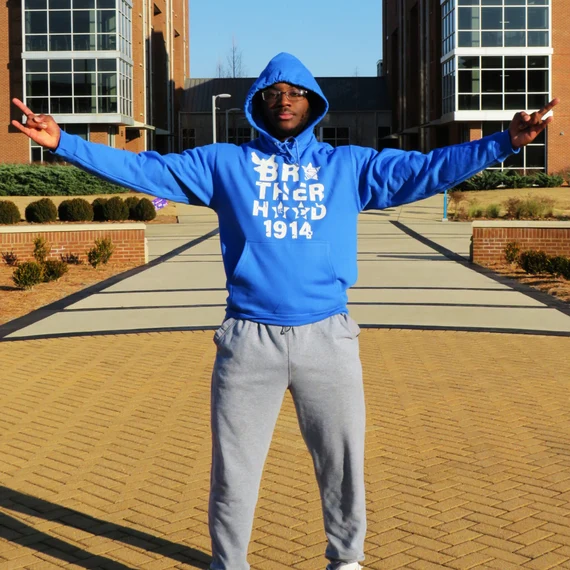
Phi Beta Sigma Apparel: Identity Tradition Style and Buying.
Phi Beta Sigma apparel is far more than clothing. It operates as a language, a declaration of belonging, and a visible bridge between generations of brothers who share ritual, scholarship, and service. Every stitch, color choice, and arrangement of letters communicates something about commitment, pride, and continuity. When members or supporters search for apparel, they are not simply shopping; they are participating in a living tradition that has evolved for more than a century. Understanding this deeper layer allows an article to move beyond catalogs and price lists toward something richer, more useful, and more memorable. Apparel becomes heritage you can wear, a mobile archive of ideals that travels from campus yards to conferences, from volunteer events to family celebrations.
Why Clothing Carries Weight in Fraternal Culture
In fraternal life symbols organize memory. They remind members who they are, what they promised, and who stood beside them when they made those promises. Apparel translates abstract principles into something tactile. When a brother pulls on a shirt before an event, the act is ritualistic even if it feels routine. The colors prepare mindset. The letters signal accountability. The crest evokes history. That emotional charge explains why members care deeply about design accuracy, quality, and appropriateness for specific settings. A casual tee might be perfect for travel, while embroidered polos communicate professionalism at public gatherings. Recognizing context is part of respect.
The Language of Royal Blue and Pure White
Color psychology plays an enormous role in the fraternity experience. Royal Blue often represents depth, stability, and loyalty. Pure White symbolizes clarity of purpose and high ideals. When combined, they form an instantly recognizable palette that distinguishes Sigma apparel from every other organization. Designers repeatedly return to these tones because they create continuity. Even modern graphics that experiment with typography still anchor themselves in this visual identity. For members, seeing those colors across airports, hotels, or convention centers creates an immediate sense of kinship.
Greek Letters as Living Emblems
The letters ΦΒΣ are more than initials. They encapsulate philosophy and collective memory. Apparel frequently enlarges them, places them across the chest, or integrates them into sleeves and accessories so they remain visible from a distance. Visibility matters. It encourages connection, invites conversation, and sometimes sparks mentorship moments when alumni recognize younger members. Because of this power, accuracy in rendering the letters is critical. Proportions, fonts, and placement are discussed with seriousness, especially for formal garments.
From Campus Wear to Lifetime Wardrobe
Many brothers remember their first item of apparel vividly. It might have been purchased after initiation or gifted by a mentor. Over time wardrobes expand to include hoodies, jackets, hats, performance wear, and keepsakes reserved for milestone anniversaries. Apparel ages alongside its owner. Older pieces accumulate stories: conferences attended, service projects completed, reunions celebrated. An effective article helps readers think about clothing not only as immediate purchase but as long-term companion.
Everyday Pieces and Their Practical Roles
T-shirts dominate the market because they are versatile and affordable. They travel easily, suit informal gatherings, and provide large canvases for graphics. Hoodies and sweatshirts answer colder climates and late-night events. Caps provide subtle representation for professional environments where large prints may feel excessive. Jerseys and athletic gear appear during competitions or outdoor service days. Each category supports a different aspect of fraternity life, and understanding these nuances allows buyers to choose intelligently.
Formal and Semi-Formal Expression
Certain events require refinement. Banquets, award ceremonies, and public engagements call for apparel that communicates dignity. Embroidered blazers, ties, cufflinks, or understated polos become appropriate. These items maintain identity while aligning with expectations of professionalism. Many members appreciate guidance on building such wardrobes because it can be difficult to navigate the line between pride and decorum. Articles that clarify etiquette add significant value.
Design Evolution Across Generations
Apparel aesthetics shift with time. Earlier decades favored straightforward typography and minimal embellishment. Contemporary designs experiment with gradients, metallic threads, or streetwear influences. Despite innovation, continuity persists through color and emblem. Observing these shifts reveals how the fraternity interacts with broader fashion culture while retaining its foundation. Collectors sometimes seek vintage designs because they represent particular eras of campus life.
Craftsmanship and Material Considerations
Quality matters because apparel is expected to last. Heavy cotton resists fading. Reinforced stitching prevents fraying during travel. Embroidery offers durability and prestige, while screen printing allows complex color blends at lower cost. Buyers benefit from understanding trade-offs. Spending slightly more on materials can extend lifespan and maintain crisp appearance through repeated washing. Experienced members often advise newcomers to prioritize quality over quantity.
Customization and Chapter Identity
Beyond national symbols, chapters express local pride through additional markings. Event names, founding years, or regional references personalize garments. Customization deepens belonging but must be executed carefully to respect official guidelines. Articles that explain best practices help chapters avoid design errors and maintain unity across the fraternity.
Apparel as Recruitment Visibility
Prospective members frequently encounter the fraternity first through public appearances. Coordinated clothing at service projects or campus activities projects organization and approachability. Well-designed apparel can spark curiosity and open doors for conversation. Therefore, investment in visual presentation supports long-term growth.
Digital Commerce and Changing Buying Habits
Where earlier generations relied on conference vendors, today’s buyers browse online catalogs. They expect high-resolution photos, clear sizing charts, and transparent shipping policies. Reviews influence decisions. Articles that teach readers how to interpret these signals empower smarter purchases. They also reduce disappointment by setting realistic expectations.
Building a Capsule Collection
Some members prefer owning a few versatile pieces rather than many specialized items. A capsule approach might include a classic tee, a hoodie, a professional polo, and one commemorative garment. This strategy balances practicality and representation. It suits alumni who travel often and want lightweight options.
Caring for Your Investment
Maintenance extends garment life. Washing inside out protects prints. Air drying prevents shrinkage. Storing items away from direct sunlight preserves color. Simple routines preserve appearance and demonstrate respect for symbols displayed.
Women, Family, and Supporter Apparel
Although the fraternity is male, families and friends often wear supportive merchandise. These designs typically adapt colors while modifying cuts and fits. Including this dimension broadens community engagement and recognizes the network surrounding each member.
The Emotional Economy of Apparel
Ownership can evoke pride, nostalgia, and solidarity. Wearing letters may remind a brother of challenges overcome or mentors who provided guidance. Understanding this emotional layer explains why authenticity matters more than trends. Cheap reproductions rarely satisfy because they fail to capture meaning.
Event-Specific Collections
Founders celebrations, regional meetings, and anniversaries inspire limited runs. These items become collectibles. Members treasure them because they freeze moments in time. Articles that suggest how to preserve or display such pieces appeal to long-term engagement.
Avoiding Common Buying Mistakes
New buyers sometimes prioritize flashy graphics without verifying licensing or quality. Others ignore sizing differences between brands. Guidance on measurement, return policies, and authenticity checks saves money and frustration.
Apparel and Professional Networking
At conventions, clothing helps identify affiliations quickly, facilitating introductions. A subtle lapel pin might open conversation with senior leaders. Apparel thus becomes networking infrastructure.
Sustainability and Ethical Production
Modern consumers increasingly ask where garments originate and how they are manufactured. Highlighting vendors who use responsible practices aligns fraternity values with broader social responsibility. This area remains underexplored and offers opportunity for differentiation.
Photography and Social Sharing
Images taken during events circulate widely online, reinforcing brand identity. Coordinated apparel enhances visual impact and strengthens perception of unity. Members often select outfits with photography in mind.
Intergenerational Dialogue Through Style
Older alumni may prefer traditional looks, while younger brothers experiment. Respectful dialogue allows both to coexist. Apparel becomes medium for conversation about continuity and change.
Budget Planning for New Members
Initiation already carries financial commitments. Articles that outline priority purchases help newcomers pace spending. Starting with essentials and adding specialty items later reduces pressure.
Display and Storage Traditions
Some families frame milestone shirts or dedicate closet sections to fraternity wear. These practices underscore sentimental value and transform garments into heirlooms.
Entrepreneurship Within the Community
Designers who are members themselves often create apparel lines, blending business with service. Supporting such ventures keeps resources circulating internally.
Preparing for Travel
Packing versatile pieces allows representation without overloading luggage. Neutral outer layers combined with signature accessories work well.
Apparel Etiquette in Public Spaces
Understanding when to wear certain items prevents misunderstandings. Formal insignia might be reserved for official events, while casual logos suit everyday errands.
The Role of Feedback in Future Designs
Vendors improve through member input. Reviews about fit, durability, and aesthetics shape next collections. Encouraging constructive communication strengthens the marketplace.
Building Pride Without Exclusion
Apparel should invite curiosity rather than intimidate. Friendly explanations to observers foster positive reputation.
Long-Term Value Beyond Fabric
Ultimately, garments endure because they carry narrative. Years later a faded print can still trigger vivid memory. That permanence transcends fashion cycles.
Expanding Possibilities for Better Content
Most online pages stop at selling. An article that integrates history, etiquette, care guidance, emotional insight, and practical strategy offers something deeper. Readers gain understanding alongside shopping direction.
Final Reflection
Phi Beta Sigma apparel lives at the intersection of memory and modernity. It allows members to honor founders while expressing personal style. By approaching clothing as heritage, buyers make choices that resonate far beyond the moment of purchase. If you want, I can next create SEO keyword clusters, internal link maps, or buyer-journey sections to help this rank above typical ecommerce pages.


Leave a Reply