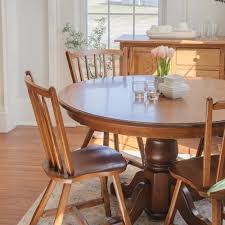
42 Round Kitchen Table Complete Buying Guide Layout Science
A 42 round kitchen table sits in a unique sweet spot between compact efficiency and comfortable functionality. It is large enough to seat four adults without feeling cramped, yet small enough to fit into apartments, breakfast nooks, condos, and open-concept kitchens where square footage is limited. Unlike rectangular tables that impose rigid lines into a room, a circular 42-inch table softens space, improves traffic flow, and creates a more intimate dining experience. The absence of corners enhances safety in tight kitchens and visually reduces bulk, making the room feel lighter and more open. In design psychology, round forms promote conversation and equality because everyone sits at an equal distance from the center. In practical planning terms, a 42-inch diameter offers approximately 138 inches of perimeter seating space, which translates into balanced elbow room when seating four. For many households, this size solves multiple challenges at once: small-space dining, everyday meals, homework station, coffee hub, and casual entertaining.
Understanding the Exact Dimensions and What They Mean in Real Space
A 42-inch round table measures 42 inches across its diameter. The radius is 21 inches. The total surface area is approximately 9.6 square feet. While these numbers may seem abstract, their impact becomes clear when translated into layout requirements. To comfortably seat four people, you must allocate at least 24 inches of width per diner along the table’s perimeter. A 42-inch circle provides about 138 inches of circumference, meaning each diner can receive approximately 34 inches of perimeter space when four seats are evenly distributed. This is generous for casual dining and comfortable for daily use. Clearance is equally important. Designers recommend a minimum of 36 inches between the edge of the table and the nearest wall or obstruction for basic movement. For smoother traffic flow, especially in kitchens where people pass behind chairs frequently, 42 to 48 inches is ideal. Therefore, the minimum recommended room size to comfortably host a 42-inch round table with proper clearance is approximately 9 feet by 9 feet. In open layouts, it performs even better because circulation zones overlap naturally.
Seating Capacity – Realistic Comfort vs Theoretical Maximum
Many product listings simply state “Seats 4,” but real comfort depends on chair width and base design. A standard dining chair ranges from 16 to 20 inches wide. If you use slim armless chairs, four seats feel spacious. If you choose upholstered armchairs, the fit becomes tighter and may require reducing to three for everyday comfort. Some people attempt to seat five at a 42-inch table; technically possible with compact chairs, but elbow space becomes limited and is not recommended for daily use. The base structure matters significantly. Pedestal bases maximize legroom and allow flexible chair placement. Four-leg tables reduce usable space slightly because legs restrict positioning. For small households of two or three, a 42-inch table feels luxuriously spacious. For families of four, it provides balanced comfort without dominating the kitchen. For entertaining larger groups, it works best as part of an open layout where overflow seating can be added nearby.
Space Planning Science – Clearance, Movement & Ergonomic Zones
When planning a kitchen layout around a 42-inch table, consider three zones: seating zone, circulation zone, and work zone. The seating zone equals the diameter of the table plus the chair depth, typically 18 inches per side. That means the occupied footprint becomes roughly 78 inches when chairs are pulled out. The circulation zone is the walking path around this footprint. If the table sits near cabinetry or an island, maintain at least 36 inches between the pulled-out chair and the cabinet face. In tight apartments, 30 inches can function but may feel restrictive. In high-traffic kitchens, especially family homes, 42 to 48 inches ensures comfort. Ergonomically, the ideal table height is 28 to 30 inches. Standard dining chairs are 17 to 19 inches high, creating an optimal 10 to 12-inch clearance between seat and tabletop. This proportion maintains posture comfort during meals or extended work sessions.
Comparing 42-Inch Round Tables with Other Popular Sizes
A 36-inch round table suits two to three people but feels small for four adults. A 48-inch round table seats four very comfortably and can sometimes accommodate six, yet it requires noticeably more floor space and may overwhelm compact kitchens. The 42-inch version is the transitional option between intimate and practical. Compared to rectangular 48-inch tables, the 42-inch round occupies less visual mass because its curved edges reduce perceived bulk. Compared to square 42-inch tables, the round version improves traffic flow and eliminates corner hazards. In open-concept kitchens, a 42-inch circle visually anchors space without forming harsh visual lines.
Pedestal vs Four-Leg Base – Structural Differences That Change Experience
Pedestal bases concentrate structural support at the center. This design improves legroom and allows flexible chair arrangement. It is ideal for smaller rooms because it visually reduces clutter under the table. However, pedestal tables must be engineered carefully to ensure stability. Heavier tops, especially solid wood or stone, require robust central columns and wide base plates. Four-leg tables distribute weight across corners, often increasing structural stability for heavy materials. However, legs limit chair placement flexibility and slightly reduce seating comfort. In tight kitchens, pedestal designs generally perform better because they simplify movement and reduce visual heaviness.
Material Selection – Durability, Maintenance & Lifestyle Matching
Solid wood remains the most popular material for 42-inch round kitchen tables. Oak, maple, walnut, and acacia offer strength and warmth. Solid wood ages gracefully but requires periodic maintenance. Engineered wood with veneer provides cost efficiency while maintaining visual appeal. Glass tops create a modern, airy aesthetic and visually expand small kitchens because light passes through the surface. However, glass requires frequent cleaning to avoid fingerprints. Marble or stone surfaces add luxury but increase weight and cost. Laminate or composite tops are practical for families with children due to scratch resistance and easy maintenance. Metal bases combined with wood tops create industrial or modern farmhouse aesthetics. The ideal choice depends on lifestyle intensity, cleaning preferences, and design theme.
Style Direction – Matching the Table with Interior Design Themes
A 42-inch round table adapts to multiple design aesthetics. In farmhouse kitchens, natural wood with a pedestal base pairs beautifully with spindle chairs. In modern interiors, a minimalist round table with a smooth lacquer finish and slim metal base creates a sleek focal point. Scandinavian spaces benefit from light oak finishes with clean lines and neutral upholstery. Traditional kitchens often feature darker woods with carved pedestal bases. Industrial kitchens combine black metal legs with reclaimed wood tops. Coastal styles prefer whitewashed finishes and woven chairs. The versatility of the 42-inch round shape allows seamless adaptation across decor themes.
Lighting Alignment – Chandelier and Pendant Sizing Formula
Lighting placement significantly affects the perception of a round table. A simple formula ensures proportion: the chandelier diameter should measure approximately half to two-thirds of the table’s diameter. For a 42-inch table, that equals 21 to 28 inches. Hanging height should be 30 to 36 inches above the tabletop. Center alignment is crucial because circular forms highlight symmetry. A single round pendant reinforces harmony, while a small cluster of pendants adds modern flair. Avoid oversized fixtures that overwhelm the compact table scale. Balanced lighting enhances intimacy and highlights the table as the room’s centerpiece.
Rug Sizing Strategy for Round Dining Tables
When placing a rug beneath a 42-inch round table, the rug must extend at least 24 inches beyond the table edge to accommodate pulled-out chairs. This means the ideal rug diameter is approximately 90 inches (7.5 feet). A common solution is an 8-foot round rug. If using a square rug, an 8×8 size works well. In very small kitchens, rugs may be omitted to preserve space clarity. Texture selection should align with kitchen practicality; low-pile or flat-weave rugs perform better than high-pile options that trap crumbs.
Storage Integration & Multi-Functional Use
Some 42-inch round tables include built-in storage shelves or pedestal compartments. These features are particularly useful in small apartments where every inch matters. Storage allows placement of placemats, napkins, or seasonal decor without adding cabinets. In open layouts, the table can double as a workspace or craft station. Choosing a durable finish protects the surface from daily wear beyond dining. Foldable or drop-leaf round tables also exist in 42-inch versions, offering flexibility for tighter spaces.
Traffic Flow Optimization in Open Kitchens
In open-concept homes, a 42-inch round table helps soften angular cabinetry and islands. Because the shape has no corners, it reduces collision risk in high-movement areas. Positioning the table near windows enhances natural light reflection across the curved surface. Avoid placing it too close to the kitchen triangle (sink, stove, refrigerator) to prevent workflow disruption. Ideally, maintain a buffer zone of at least 4 feet from active cooking areas.
Visual Weight and Spatial Psychology
Round tables visually occupy less space than square or rectangular tables of equal footprint because curved edges reduce perceived mass. This optical effect benefits compact kitchens. Light finishes amplify this effect further. Dark woods feel heavier but can anchor large open spaces effectively. Transparent glass tops almost disappear visually, making them excellent for studio apartments.
Family Use, Safety & Daily Living Considerations
For households with children, rounded edges eliminate sharp corners, reducing injury risk. Scratch-resistant finishes and sealed wood surfaces simplify cleaning. Pedestal bases prevent children from hitting knees on table legs. Choosing wipeable upholstery enhances maintenance efficiency.
Cost Spectrum and Budget Planning
Pricing varies widely based on material and brand. Engineered wood versions sit in entry-level budgets. Solid hardwood options fall into mid-range pricing. Marble or designer brand tables reach premium tiers. Budget allocation should consider durability, frequency of use, and long-term aesthetic goals.
Advanced Buying Checklist
Measure the available floor area including clearance. Confirm chair dimensions before purchasing. Verify table height compatibility with chosen seating. Evaluate base stability. Check weight capacity if using heavy decor. Consider assembly complexity. Review finish maintenance requirements. Assess warranty coverage. Visualize lighting alignment. Confirm rug compatibility if applicable.
Missed Opportunities in Most Online Content
Many online product pages fail to provide layout diagrams, clearance guidance, ergonomic data, or styling advice. They rarely explain how 42 inches compares to alternative sizes in practical living conditions. Buyers often struggle to visualize real-life scale. Few provide interactive planning support or contextual room examples.
How to Maximize Value from a 42-Inch Round Table
Use it as a multifunctional surface beyond dining. Rotate centerpieces seasonally to refresh aesthetics. Combine slim chairs for flexibility. Anchor with a proportional light fixture. Use mirrors nearby to reflect circular symmetry. Maintain adequate clearance to preserve comfort. Choose durable finishes aligned with lifestyle demands.
Conclusion – Why 42 Inches Represents the Perfect Balance
The 42 round kitchen table embodies efficiency, intimacy, and versatility. It bridges the gap between compact living and practical dining comfort. With proper planning, it enhances spatial flow, supports everyday routines, and elevates kitchen aesthetics. When selected thoughtfully—considering clearance, material, base design, lighting alignment, and decor harmony—it becomes more than furniture; it becomes the functional heart of the home.


Leave a Reply