Wallet Hair Complete Guide to Hair On Hide Wallets Material.
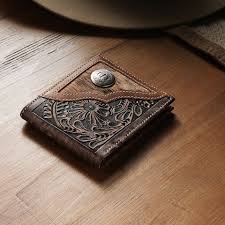
When people search for “wallet hair,” they are usually referring to wallets made from hair-on hide leather. Hair-on leather is a unique material where the natural hair of the animal hide is intentionally preserved during the tanning process instead of being removed. This creates a textured, visually striking surface that differs dramatically from smooth, polished leather. Unlike traditional leather wallets that emphasize sleek uniformity, hair-on hide wallets celebrate natural patterns, irregular textures, and organic variation. Each piece becomes one-of-a-kind because no two animal hides have identical hair distribution or pattern markings. The result is a product that blends fashion, craftsmanship, rustic aesthetics, and material authenticity. Understanding wallet hair requires going deeper than appearance. It involves exploring material processing, durability, texture behavior, maintenance requirements, design compatibility, ethical sourcing, and long-term performance. This guide covers every advanced aspect to help you understand, evaluate, and confidently choose a hair-on hide wallet.
What Is Hair-On Hide Leather – Material Definition and Processing
Hair-on hide leather begins as genuine animal hide, typically cowhide or calfskin. In standard leather production, hair is removed during the liming and tanning process. For hair-on hide, specialized methods preserve the hair follicles intact. The tanning process stabilizes the skin fibers while protecting the hair layer from shedding. Chromium tanning or vegetable tanning methods may be used depending on the desired finish. After tanning, the hide is cleaned, conditioned, and sometimes dyed while maintaining the hair surface. The hair is trimmed only if necessary to maintain uniformity. The preserved hair layer provides texture, softness, and visual variation. Because hair remains attached, the hide’s top layer must remain intact without heavy sanding or buffing. This means hair-on leather maintains more natural surface character compared to heavily processed leathers. The preservation technique requires careful chemical balancing; otherwise hair slippage can occur over time. High-quality manufacturing ensures strong adhesion between hair follicles and the dermal layer of the hide.
Why Hair-On Hide Wallets Are Unique
Hair-on wallets are valued for individuality. Every hide features natural markings, color variations, and hair direction differences. Patterns can include spotted cowhide, brindle textures, solid black, brown gradients, or high-contrast patches. These patterns are not artificially printed; they are organic results of the animal’s coat. Because of this, no two wallets look exactly alike. Buyers seeking uniqueness often prefer hair-on hide over synthetic textures. In fashion, individuality enhances exclusivity. Additionally, the tactile experience differs from smooth leather. The soft hair surface creates a sensory dimension that polished leather does not offer. Hair-on hide wallets often carry rustic, western, bohemian, or artisanal design associations. They can be minimalist or decorated with stitching, metal accents, or embossed logos. The uniqueness factor alone differentiates wallet hair products from mainstream leather goods.
Structural Composition of a Hair-On Wallet
Although the outer panel may feature hair-on hide, most wallets combine multiple materials. The exterior front panel often showcases the hair surface for visual appeal. The interior compartments are usually made of smooth leather or suede to ensure durability and functionality. Card slots, cash compartments, coin pockets, and ID windows are stitched using reinforced thread to handle everyday stress. The thickness of hair-on hide can vary from 1 to 2 millimeters, depending on hide selection and design. Thicker hides provide rigidity and structure, while thinner hides offer flexibility. Edge finishing is critical because exposed hair edges must be sealed or folded to prevent shedding. High-quality craftsmanship ensures consistent stitching tension and clean seam alignment.
Durability and Longevity – Realistic Expectations
One common question is whether hair-on hide wallets are durable. The answer depends on usage patterns and manufacturing quality. The leather base beneath the hair retains the same structural strength as standard leather. However, the hair layer can experience gradual wear from friction. Frequent sliding in and out of tight pockets may flatten hair over time. This does not necessarily damage the leather but may change texture appearance. Premium hair-on hide is treated to reduce shedding. With moderate use and proper care, these wallets can last several years. Durability increases when the wallet is stored properly and not overfilled. Environmental factors such as excessive moisture or high heat can weaken follicle bonding. Overall, hair-on hide wallets are durable for regular use but require more mindful care compared to smooth leather.
Advantages of Hair-On Hide Wallets
Unique natural patterns create visual exclusivity. The tactile surface feels soft and distinctive. The material pairs well with rustic, western, and artisan fashion styles. The leather base remains strong and durable. Each product feels personalized due to hide variation. Hair-on hide can be dyed or left natural for organic appeal. The wallet stands out compared to common synthetic or polished leather options.
Potential Drawbacks to Consider
Hair flattening may occur with frequent friction. Care requirements are slightly higher than smooth leather. Not ideal for extremely humid environments. Shedding may occur if manufacturing quality is poor. May not suit formal or ultra-minimalist fashion preferences. Typically priced higher than mass-produced synthetic wallets due to material uniqueness.
Comparison – Hair-On Hide vs Smooth Leather Wallets
Smooth leather wallets are polished, uniform, and easier to clean. They resist surface wear more predictably. Hair-on hide offers more texture and uniqueness but requires careful maintenance. Smooth leather often ages with patina, developing darker tones over time. Hair-on hide maintains its pattern but may show hair direction changes with wear. Smooth leather suits formal business settings; hair-on hide often fits casual, western, or expressive fashion styles. Both are genuine leather, but the aesthetic and maintenance requirements differ.
Comparison – Hair-On Hide vs Faux Leather Alternatives
Faux leather wallets are typically made from synthetic materials such as polyurethane. They are more affordable and often marketed as vegan alternatives. However, they lack the organic uniqueness of real hair-on hide. Synthetic materials may crack or peel over time, whereas genuine leather fibers remain resilient. Hair-on hide wallets provide authenticity and long-term durability that synthetic materials cannot fully replicate. Buyers concerned about animal products may prefer faux options, but those prioritizing longevity and natural texture often choose genuine hair-on hide.
Maintenance Guide – Cleaning and Preservation
Regular maintenance preserves appearance and longevity. Avoid soaking the wallet in water. If dust accumulates, gently brush the hair surface with a soft-bristle brush in the natural direction of the hair. For light stains, use a slightly damp cloth and blot gently without excessive rubbing. Avoid harsh chemicals or leather conditioners directly on the hair surface. If conditioning is necessary, apply to the leather underside or interior only. Store the wallet in a cool, dry place away from direct sunlight. When not in use for extended periods, keep it inside a breathable fabric pouch rather than plastic, which can trap moisture. Do not overload compartments, as excessive stretching weakens stitching.
Hair Direction and Texture Behavior
Hair-on hide often displays a natural grain direction. Brushing or rubbing against the grain can temporarily alter appearance, but it can usually be restored by smoothing hair back into alignment. Over time, frequent handling may create subtle texture variations. These changes add character rather than damage. Understanding hair grain direction helps maintain a polished look.
Ethical and Sustainability Considerations
Many hair-on hides originate as by-products of the meat industry. Instead of discarding hides, they are processed into leather goods. Responsible sourcing involves ensuring animal welfare standards and environmentally managed tanning processes. Vegetable tanning methods may reduce chemical impact compared to certain chromium methods, though each has trade-offs. Buyers interested in sustainability should look for transparency in sourcing and manufacturing. Longevity also contributes to sustainability; durable wallets reduce replacement frequency and overall consumption.
Styling and Fashion Pairing
Hair-on hide wallets pair well with denim, boots, and casual leather jackets. They complement western-inspired fashion, bohemian outfits, and rugged minimalist styles. In urban settings, they can act as a statement accessory against neutral wardrobes. Color coordination depends on hide pattern. Spotted hides pair well with earthy tones. Solid black hair-on hide offers subtle texture suitable for semi-formal attire. Brown or tan hides blend with natural fabrics. Because each wallet is visually dynamic, consider balancing the rest of your accessories for cohesive styling.
Craftsmanship Indicators – How to Identify Quality
Inspect stitching consistency; uneven stitching signals poor craftsmanship. Check hair adhesion by gently brushing the surface; minimal shedding indicates strong processing. Evaluate edge finishing; raw, unfinished edges may fray over time. Inspect interior leather quality; genuine leather interiors enhance durability. Confirm that hardware, such as snaps or zippers, feels sturdy. High-quality wallets maintain shape without excessive stiffness.
Buying Checklist for First-Time Buyers
Confirm material authenticity. Check hide thickness and stitching quality. Ensure compartments meet daily storage needs. Assess hair texture consistency. Consider climate suitability. Evaluate brand transparency. Compare price with craftsmanship level. Avoid overly glossy finishes that may indicate artificial coatings.
Price Range and Value Assessment
Hair-on hide wallets generally fall into mid to premium price ranges due to material uniqueness. Pricing reflects hide quality, craftsmanship, brand positioning, and production scale. Handmade artisan wallets may command higher prices. Value should be assessed based on longevity, aesthetic appeal, and craftsmanship rather than solely on brand name.
Long-Term Aging and Character Development
Unlike smooth leather that develops patina, hair-on hide evolves subtly. Hair may soften and flatten slightly in high-contact areas. Patterns remain visually strong. With careful use, aging adds personality rather than deterioration. Proper care prevents hair loss and maintains natural vibrancy.
Common Misconceptions About Wallet Hair
Some assume hair-on hide is fragile; in reality, the leather base is structurally durable. Others believe hair will shed excessively; quality processing minimizes this issue. Another misconception is that hair-on wallets are only western-style accessories; modern designs incorporate minimalist aesthetics suitable for urban fashion.
Travel and Everyday Use Considerations
Hair-on hide wallets perform well for daily use when not exposed to excessive moisture. During travel, store them in dry compartments. Avoid heavy rain exposure. If the wallet becomes damp, air dry naturally without heat sources. Avoid hair dryers or direct heaters, which can weaken follicles.
Storage and Seasonal Care
If rotating between multiple wallets, store hair-on hide wallets upright or flat in breathable cloth bags. Avoid stacking heavy items on top, which may compress hair permanently. Periodic gentle brushing maintains texture.
Advanced Material Science – Why Hair Stays Attached
Hair remains attached because tanning stabilizes collagen fibers within the dermal layer of the hide. Proper pH balancing during tanning ensures follicles remain anchored. If pH shifts too drastically during processing, hair slippage may occur. High-quality tanning facilities carefully monitor chemical exposure to preserve hair structure.
Customization and Personalization
Some brands offer personalized embossing on interior leather sections. Because embossing cannot be applied to the hair surface without damage, customization is typically placed on smooth leather areas. Custom lining fabrics and stitching colors may enhance individuality further.
Market Trends and Consumer Appeal
Hair-on hide products often gain popularity during seasonal fashion cycles emphasizing rustic or artisanal aesthetics. Limited pattern availability increases desirability. Consumers seeking sustainable, natural materials gravitate toward authentic hides rather than synthetic imitations.
Final Evaluation – Is a Hair-On Hide Wallet Worth It
A wallet made from hair-on hide offers distinct visual appeal, tactile uniqueness, and genuine leather durability. It requires slightly more maintenance than smooth leather but rewards the owner with individuality and character. Buyers who appreciate natural materials and craftsmanship often find strong value in hair-on hide wallets. By understanding material science, care requirements, craftsmanship indicators, and styling compatibility, consumers can make informed decisions that balance aesthetics, practicality, and longevity.

Leave a Reply