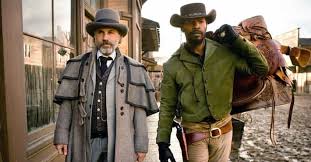
Movies Like Django Unchained: The Ultimate Deep-Dive Guide.
When people search for films similar to Django Unchained, they are rarely just looking for “another Western.” They are searching for a very specific cinematic experience: explosive revenge arcs, bold visual style, morally complex antiheroes, razor-sharp dialogue, operatic violence, historical tension, and genre-bending storytelling. Django Unchained directed by Quentin Tarantino is not simply a Western. It is a revisionist spectacle combining spaghetti Western DNA, blaxploitation energy, historical drama, dark humor, and stylized brutality into a singular narrative voice.
This in-depth guide explores films that echo that intensity across different eras, subgenres, and filmmaking philosophies. Instead of a shallow recommendation list, this article breaks down thematic parallels, stylistic connections, tonal similarities, character archetypes, historical engagement, violence choreography, and cinematic influence chains. It also identifies how each recommendation aligns with specific elements of Django’s DNA, helping readers discover films based on mood, narrative drive, and emotional payoff rather than just surface genre similarities.
Revenge-Driven Western Foundations
4
The foundation of Django Unchained lies in spaghetti Western tradition. Tarantino openly draws from Sergio Leone’s operatic pacing, extended close-ups, tension-filled standoffs, and morally ambiguous protagonists. The Good, the Bad and the Ugly exemplifies mythic antihero storytelling through stylistic framing and musical build-ups. Once Upon a Time in the West heightens atmosphere and operatic violence, making landscapes feel like characters. For a Few Dollars More introduces revenge motivations layered beneath bounty hunting narratives. Meanwhile, Django, starring Franco Nero, directly inspires Tarantino’s homage through tone and naming.
These films share structural elements: slow build tension, morally gray leads, stylized gunplay, and grand musical motifs. Unlike traditional American Westerns, spaghetti Westerns amplify theatricality. The violence is not incidental; it is choreographed spectacle. The protagonists are not clean heroes but damaged survivors navigating corrupt systems. That moral complexity becomes central in Django Unchained and echoes throughout similar films.
Historical Revisionism and Political Undercurrents
4
Revisionist Westerns reinterpret mythic American frontier narratives. The Hateful Eight expands on Tarantino’s fascination with post-Civil War tensions and racial mistrust. The Harder They Fall reclaims Black Western history with stylistic swagger and modern rhythm. True Grit by the Coen Brothers reframes justice through realism rather than romanticism. The Proposition relocates Western brutality to colonial Australia while preserving moral ambiguity.
Thematic similarities include: systemic oppression, revenge as moral correction, and flawed justice systems. These films challenge historical romanticization, just as Django Unchained reframes antebellum America through genre exaggeration to critique brutality. Political undertones exist not as lectures but as narrative engines. Characters are shaped by structural violence, making revenge both personal and symbolic.
Neo-Westerns and Modern Frontier Landscapes
4
The Western has evolved into contemporary landscapes. No Country for Old Men shifts frontier chaos into modern Texas with existential dread replacing operatic flair. Hell or High Water portrays economic desperation through outlaw brotherhood. Wind River merges crime thriller structure with frontier isolation. Bone Tomahawk fuses Western and horror with shocking brutality.
What connects these to Django is atmosphere and inevitability. Violence feels sudden yet earned. Moral lines blur. Landscapes symbolize lawlessness. Dialogue often balances restraint with explosive confrontation. The frontier becomes psychological rather than geographic.
Blaxploitation Energy and Stylized Empowerment
4
Tarantino injects blaxploitation rhythm into Django’s structure. Shaft presents confident Black heroism within systemic oppression. Coffy channels revenge through stylized grit. Black Caesar explores power ascent in corrupt systems. The Harder They Come blends rebellion, music, and antihero narrative.
These films emphasize empowerment aesthetics. Protagonists confront institutions designed to suppress them. Music drives tone. Costumes signal defiance. Violence becomes catharsis. Django’s swagger, soundtrack choices, and dramatic confrontations mirror that lineage.
Character Archetypes That Define the Experience
The charismatic mentor archetype appears in bounty hunter figures guiding morally evolving protagonists. The enslaved or oppressed individual turned avenger becomes mythic through resilience. The plantation owner villain embodies institutional cruelty. Side characters often oscillate between comedic relief and sudden menace.
Films like The Good, the Bad and the Ugly and The Harder They Fall rely on ensemble dynamics. Tension arises not only from action but from dialogue exchanges. The archetype of the talkative antagonist delivering philosophical monologues before violence is a recurring motif.
Dialogue as Weaponry
Django Unchained thrives on long conversations that build pressure before release. Similar films employ dialogue rhythm as suspense architecture. The Hateful Eight uses confined space and layered suspicion. No Country for Old Men weaponizes silence and minimal speech. True Grit balances archaic language with biting humor.
Effective dialogue in these films functions as: psychological manipulation, exposition delivery, power assertion, comedic subversion, and tension extension. The audience anticipates eruption. The longer the build-up, the greater the release.
Cinematography and Visual Grammar
Spaghetti Western influence introduces wide landscape framing paired with extreme close-ups. Neo-Westerns emphasize muted palettes. Blaxploitation injects color vibrancy. Modern revisionists use digital crispness to contrast historical grime.
Color symbolism often reinforces character arcs: warm desert tones for isolation, cold interiors for paranoia, deep reds for violence. Camera movements remain deliberate rather than frantic. Shootouts are staged with spatial clarity.
Violence as Spectacle and Commentary
Violence in Django Unchained is exaggerated yet purposeful. Similar films vary in approach. The Proposition leans toward raw brutality. Bone Tomahawk shocks with visceral horror. The Good, the Bad and the Ugly stylizes gunfights into ritualized duels.
Key patterns include: buildup through silence, explosive release, aftermath reflection, moral ambiguity. Violence rarely feels accidental. It is narrative punctuation.
Music and Sonic Identity
Ennio Morricone’s influence defines spaghetti Western soundscapes. Hip-hop integration in Django modernizes historical narrative. The Harder They Fall similarly integrates contemporary rhythm. Sonic choices create temporal dissonance that energizes storytelling.
Score functions as emotional amplifier, tension escalator, and myth-builder. Memorable themes linger beyond scenes, reinforcing heroic or villainous identity.
Psychological Complexity and Moral Ambiguity
Protagonists often commit morally questionable acts for justified revenge. Antagonists may display charisma masking cruelty. Law enforcement figures appear ineffective or corrupt. Justice becomes personal rather than institutional.
Films like No Country for Old Men question fate and inevitability. Hell or High Water frames crime within economic despair. True Grit complicates vengeance with coming-of-age growth.
Genre Hybridization and Innovation
Western + Horror: Bone Tomahawk.
Western + Mystery: Wind River.
Western + Chamber Thriller: The Hateful Eight.
Western + Action Epic: The Harder They Fall.
Hybridization prevents stagnation. Django Unchained succeeds because it blends rather than imitates.
Global Western Influence
The Western genre transcends America. The Proposition reinterprets frontier violence in Australia. Spaghetti Westerns reinterpret American myth through European lens. Cross-cultural adaptation expands thematic resonance.
Female Perspectives in Western Revenge
True Grit centers a determined young protagonist navigating male-dominated frontier systems. Coffy channels female-led vengeance in urban settings. Empowerment narratives broaden genre appeal.
Symbolism and Iconography
Horses represent mobility and autonomy. Guns symbolize power acquisition. Plantations and frontier cabins represent oppressive systems. Snowbound settings heighten claustrophobia. Desert landscapes evoke lawlessness.
Audience Segmentation by Preference
For viewers seeking maximal stylized violence: The Harder They Fall, Bone Tomahawk.
For dialogue-driven tension: The Hateful Eight, True Grit.
For existential dread: No Country for Old Men.
For classic operatic showdowns: The Good, the Bad and the Ugly.
For empowerment energy: Shaft, Coffy.
Narrative Structures Compared
Linear revenge arcs dominate classic Westerns. Nonlinear storytelling appears in Tarantino’s structure. Ensemble tension structures appear in chamber Westerns. Neo-Westerns often adopt crime thriller pacing.
Production Design and Authenticity
Authenticity varies from hyperreal stylization to gritty realism. Costume design signals character alignment. Set construction reinforces isolation or power imbalance.
Cultural Impact and Legacy
Django Unchained revitalized interest in revisionist Westerns and reintroduced blaxploitation aesthetics to mainstream audiences. The Harder They Fall extended representation conversation. Neo-Westerns maintain genre relevance in contemporary contexts.
Common Patterns Across Top “Movies Like Django” Lists
Repetition of spaghetti Western classics. Emphasis on revenge theme. Inclusion of Tarantino’s own filmography. Preference for violent stylistic Westerns. Limited deep analysis of historical politics. Minimal exploration of female-led narratives. Few global perspectives beyond American and Italian examples.
Content Gaps in Existing Coverage
Lack of structured viewer pathways based on emotional intent. Minimal cinematographic breakdowns. Little discussion of music evolution. Absence of thematic comparison charts. Rare exploration of dialogue structure mechanics.
Advanced Comparative Insight
When comparing Django Unchained with The Good, the Bad and the Ugly, one observes inherited pacing but modernized rhythm. Compared with No Country for Old Men, one sees tonal divergence despite shared frontier fatalism. Compared with The Harder They Fall, one finds stylistic siblinghood with generational voice differences.
Missed Opportunities in Most Articles
Failure to differentiate between revenge-centric and atmosphere-centric Westerns. Neglect of socio-political commentary depth. Overreliance on surface genre labels. Limited exploration of cross-genre innovation.
Strategic Recommendations for a Standout Article
Organize films by thematic axis rather than generic similarity. Integrate cinematography comparisons. Include soundtrack analysis. Provide mood-based recommendation filters. Offer global Western perspective. Highlight underrepresented voices.
Conclusion: Expanding the Django Experience
Movies like Django Unchained are not confined to dusty deserts and duels at sunset. They span continents, decades, subgenres, and political conversations. What unites them is intensity: moral intensity, stylistic intensity, emotional intensity. Whether through operatic spaghetti Western duels, snowbound paranoia, neo-Western existentialism, or blaxploitation empowerment, these films carry forward the spirit of rebellion and spectacle. For viewers craving that explosive blend of revenge, charisma, tension, and stylistic bravado, the Western genre and its modern descendants offer a vast cinematic frontier waiting to be explored.
You may also like


Leave a Reply