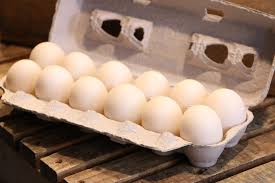
The Ultimate Complete Guide to Duck Egg Cartons: Materials.
Duck egg cartons are not simply larger versions of chicken egg cartons. They are specialized packaging solutions designed to accommodate heavier shells, wider girth, taller profiles, and premium positioning in farm markets and retail shelves. Duck eggs are naturally larger, often thicker-shelled, and usually sold at higher prices than chicken eggs. Because of this, packaging plays a direct role in product protection, perceived value, branding potential, and transportation efficiency. Whether you are a backyard duck keeper selling a few dozen per week or a commercial-scale producer distributing to grocery chains, choosing the correct carton can reduce breakage rates, elevate your brand image, and even improve storage performance. This guide explores every advanced detail of duck egg cartons including structural design, material science, sizing metrics, cost efficiency, sustainability strategy, branding psychology, storage optimization, shipping mechanics, and future packaging innovations.
Understanding Duck Egg Size Variations and Their Impact on Carton Selection
Duck eggs vary significantly depending on breed, diet, age, and environment. Khaki Campbell ducks typically produce eggs ranging from 65 to 75 grams, while Pekin ducks often produce eggs exceeding 85 grams. Some heritage breeds may produce eggs that are shorter but wider, creating fit issues in standard chicken cartons. The average duck egg measures approximately 2.5 inches in height and 1.75 inches in width, compared to a large chicken egg which measures closer to 2.2 inches tall and 1.6 inches wide. Even small dimensional differences create structural stress inside cartons designed for chicken eggs. A properly engineered duck egg carton has deeper cells, wider cradles, stronger hinge resistance, and reinforced top compression support to prevent cracking under stacking pressure. Many producers underestimate the importance of cell depth, which is critical because taller eggs can press into lids and create micro-fractures during transport. Understanding your egg’s average height, width, and weight is the first technical step before choosing packaging.
Structural Design Differences Between Duck Egg and Chicken Egg Cartons
Standard chicken cartons are built around USDA large or extra-large egg specifications. Duck egg cartons require deeper wells, broader cup diameters, and increased vertical lid clearance. The cell geometry typically features a more rounded cup base to distribute pressure evenly across the egg shell. Compression strength in duck cartons must accommodate heavier contents, especially when stacked in 30-dozen trays for wholesale. Reinforced hinge design is another crucial element. Duck eggs often cause standard pulp hinges to fatigue over time, especially in humid conditions. Plastic PET cartons commonly feature snap-lock closures that maintain integrity even after multiple openings. Molded pulp cartons often include additional ridge reinforcement to enhance stacking durability. Ventilation spacing also differs slightly to accommodate moisture balance, as duck eggs can have slightly thicker shells that require airflow control to reduce condensation.
Materials Used in Duck Egg Cartons and Their Engineering Properties
Molded Pulp Cartons
4
Molded pulp cartons are manufactured from recycled paper fibers pressed into structured molds. These cartons offer shock absorption due to fiber density and natural cushioning properties. They are biodegradable and compostable, making them highly attractive to environmentally conscious consumers. Their structural advantage lies in impact dispersion; when dropped, fiber compression absorbs force rather than transferring it directly to the egg. However, pulp cartons can weaken in high humidity environments. Moisture absorption reduces compression strength over time, which is particularly relevant in refrigerated storage.
PET Plastic Cartons
4
PET cartons are transparent, durable, and moisture resistant. The clarity enhances retail visibility and allows customers to inspect egg quality without opening the carton. Plastic cartons generally provide higher compression strength and reusability compared to pulp cartons. They resist humidity damage and maintain shape in refrigerated display cases. However, they require responsible recycling systems to avoid environmental impact. PET cartons are ideal for premium retail settings where product presentation influences purchasing behavior.
Foam Cartons
Foam cartons offer strong cushioning and lightweight transport benefits. They resist moisture and maintain insulation properties. However, environmental sustainability concerns have significantly reduced their popularity in many markets. Foam cartons remain functional but may not align with modern eco-conscious branding strategies.
Compostable and Bioplastic Cartons
Emerging materials include plant-based polymers and advanced compostable fibers. These materials attempt to combine the strength of plastic with the biodegradability of pulp. While often more expensive, they represent an innovation direction in sustainable agriculture packaging.
How to Measure Your Duck Eggs for Proper Carton Fit
Accurate measurement prevents breakage and waste. Measure three variables: height, maximum width (girth), and weight. Use a digital caliper for width and a standard ruler for height. Measure at least 20 eggs to establish an average and note maximum outliers. Carton cell diameter should exceed egg width by at least 2–3 millimeters to allow easy placement without lateral stress. Lid clearance should exceed egg height by at least 3 millimeters to avoid top pressure. If eggs frequently touch the lid interior, stacking pressure will amplify cracking risk during transport.
Compression Strength and Stacking Efficiency in Bulk Operations
Commercial producers must evaluate vertical stacking strength. Cartons are typically stacked five to eight layers high in transport crates. Compression load increases exponentially with each additional layer. Molded pulp cartons distribute load through structural ridges along the lid. PET cartons distribute load through rigid arch-shaped lids. A simple stacking test involves placing weighted trays equivalent to distribution loads and observing deformation. Advanced producers calculate compression ratings per square inch and factor in transportation vibration. Reinforced carton ribs significantly reduce deformation under stress.
Branding Potential and Consumer Psychology in Carton Design
Packaging influences perceived value. Transparent PET cartons communicate cleanliness and premium quality. Rustic pulp cartons communicate sustainability and farm authenticity. Blank-top cartons allow custom labeling, which is ideal for small farm branding. Some producers print nutritional benefits such as higher omega-3 content or pasture-raised claims directly onto cartons. Color psychology also matters. Natural brown tones signal organic authenticity, while white cartons often appear clinical and clean. For market sellers, custom labels with farm logos and contact information increase repeat purchases. Packaging is not merely protection; it is a marketing asset.
Cost Analysis and Budget Planning for Different Producer Scales
Backyard sellers purchasing cartons in small batches may pay significantly higher per-unit costs than commercial buyers ordering pallet quantities. PET cartons typically cost more per unit than pulp but may reduce breakage rates. Calculating cost per dozen sold must include breakage percentage, branding expenses, and distribution distance. For example, if breakage decreases by two percent due to better cartons, overall profit may increase despite higher packaging cost. Bulk buying reduces unit cost substantially. Evaluating shipping weight is also important because heavier cartons increase transport cost.
Sustainability Strategy and Environmental Positioning
Sustainability plays a major role in purchasing decisions. Molded pulp cartons can be composted at home, which appeals to eco-conscious customers. PET cartons are recyclable in many municipalities but require proper disposal education. Some producers include recycling instructions printed inside the lid. Offering carton return incentives can build customer loyalty. Compostable bioplastic cartons represent a growing niche but may not yet be widely available in all regions. Sustainability messaging must align with actual disposal infrastructure to maintain authenticity.
Storage Conditions and Moisture Control
Duck eggs are often stored refrigerated. Humidity levels inside refrigeration units affect carton performance. Molded pulp absorbs moisture, potentially weakening hinge structures. Plastic cartons resist moisture but may trap condensation if ventilation is insufficient. Vent holes positioned strategically around cell walls reduce condensation buildup. Avoid overstacking warm eggs in closed cartons immediately after washing, as trapped moisture encourages microbial growth. Proper airflow and gradual cooling reduce packaging stress.
Shipping Considerations for Local and Long-Distance Distribution
Local farm sales may only require short transport durability. However, wholesale shipments across longer distances require reinforced packaging and outer protective layers. Double-walled corrugated cases often hold multiple cartons. Vibration testing ensures eggs remain stable during transport. Cushion inserts can be added to reduce movement. Producers shipping via courier services should consider shock-resistant pulp or reinforced PET designs. Including fragile labeling and orientation arrows helps minimize handling damage.
Retail Display Optimization and Shelf Appeal
Retail placement affects carton choice. Clear cartons enhance impulse purchases because customers can inspect egg shell quality and color variation. Pulp cartons may conceal shell irregularities but emphasize sustainable branding. Carton dimensions should align with standard shelf depth to maximize facing space. Unique carton shapes may draw attention but must not compromise stacking efficiency. Retailers appreciate packaging that allows barcode placement without interfering with hinge integrity.
Hygiene, Safety, and Regulatory Considerations
Cartons must comply with food contact safety standards. Materials should be free from contaminants and produced in sanitary conditions. Reusing cartons is sometimes discouraged due to contamination risks. Clear labeling of expiration dates and farm identification enhances traceability. Carton material must not transfer odor or flavor to eggs during storage. Producers should store empty cartons in dry, pest-free environments.
Creative Reuse Ideas for Duck Egg Cartons
Duck egg cartons can be repurposed for seed starters, craft storage, paint palettes, and small hardware organization. Pulp cartons are ideal for composting after reuse. Some farms encourage customers to return cartons for discounts. Reuse programs reduce environmental impact and strengthen customer relationships.
Advanced Innovations in Duck Egg Packaging Technology
Smart packaging concepts include QR codes linking to farm videos, temperature indicators embedded into labels, and compostable plant fiber blends with increased compression strength. Anti-microbial coatings are being researched to reduce contamination risk. Modular carton designs allow producers to adjust cell sizes without changing outer dimensions. Lightweight structural optimization reduces material use while maintaining strength.
Comparing Carton Types by Use Case
Backyard hobbyists benefit from affordable pulp cartons with blank tops for labels. Farmers market sellers may prefer PET cartons for visual appeal. Commercial distributors may require reinforced pulp cartons compatible with automated packing lines. Organic-certified farms often prioritize compostable options. The best carton depends on scale, branding strategy, storage environment, and transportation distance.
Step-by-Step Decision Framework for Selecting the Ideal Duck Egg Carton
First measure egg dimensions. Second identify distribution method. Third calculate stacking load requirements. Fourth evaluate branding goals. Fifth analyze sustainability positioning. Sixth compare per-unit cost including breakage reduction potential. Seventh test sample cartons under real storage conditions. This systematic evaluation prevents costly packaging mistakes.
Frequently Overlooked Factors That Cause Egg Breakage
Incorrect lid clearance is one of the most common causes of cracked eggs. Excessive stacking without reinforced support leads to compression damage. Rapid temperature shifts create condensation that weakens pulp cartons. Poor alignment during automated packing increases lateral pressure. Monitoring these factors reduces product loss.
Future Trends in Duck Egg Packaging
Sustainability will continue to shape packaging innovation. Expect increased adoption of plant-fiber reinforced pulp, clearer compostable bioplastics, and improved structural modeling to reduce material waste. Digital traceability integration may become standard for premium producers. Lightweight engineering combined with improved compression geometry will likely dominate future design improvements.
Final Thoughts on Building a Premium Duck Egg Packaging Strategy
Duck egg cartons are a strategic investment rather than a minor accessory. Properly selected packaging reduces breakage, enhances brand perception, supports sustainability goals, and optimizes transportation efficiency. By understanding egg dimensions, material science, compression dynamics, moisture behavior, and consumer psychology, producers can transform packaging into a competitive advantage. Whether selling locally or distributing at scale, a well-informed carton choice directly influences profitability, customer satisfaction, and long-term brand growth.
You may also like



Leave a Reply