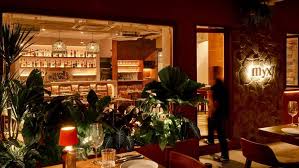
The Ultimate Guide to New Restaurants Singapore: Trends.
Singapore’s dining scene evolves faster than almost any other food capital in Asia. Every month, new restaurants launch across iconic districts, hidden shophouses, luxury hotels, and revitalized heritage spaces. The competitive landscape pushes chefs, restaurateurs, and investors to innovate aggressively, leading to a steady stream of concept-driven eateries, chef-led ventures, global imports, and hyper-local experimental kitchens. This comprehensive guide explores the structure of the current new restaurant wave, dominant cuisine trends, emerging dining behaviors, investor psychology, location intelligence, menu engineering strategies, pricing frameworks, branding shifts, operational models, and the future trajectory of restaurant openings in Singapore.
Why Singapore Remains a Launchpad for New Restaurants
Singapore’s F&B ecosystem benefits from high disposable income, tourism flow, dense urban planning, and a culture deeply rooted in food appreciation. The local population actively seeks novelty, limited-time menus, chef collaborations, and global cuisine crossovers. Restaurateurs view Singapore as a testing ground because of its compact geography and concentrated dining districts. The government’s structured licensing system, strong supply chain networks, and import efficiency allow international chefs to source premium ingredients quickly. High foot traffic around commercial districts ensures new establishments can gain rapid visibility if marketing execution is strong.
Economic and Consumer Behavior Trends Shaping Openings
New restaurant launches are no longer random passion projects. They are data-informed, analytics-driven ventures. Operators analyze footfall heatmaps, MRT station density, corporate office clusters, and condominium population statistics before signing leases. Consumers now prioritize experiential dining over routine meals. Reservation spikes often follow social media exposure rather than traditional advertising. Limited seating omakase counters, chef’s table formats, and tasting menus are increasingly preferred because they provide exclusivity. Meanwhile, fast-casual formats thrive in office-heavy districts where lunchtime demand drives volume.
District Spotlight: Marina Bay’s Luxury Expansion
4
The premium dining surge around Marina Bay continues to attract high-end restaurant launches. Waterfront views, integrated resort traffic, and luxury retail adjacency create ideal conditions for fine dining establishments. New restaurants in this district typically focus on multi-course tasting menus, rare wine programs, and theatrical presentation. Average spending per person is significantly higher than other neighborhoods, allowing operators to offset rental premiums. Concepts here emphasize architectural design, chef branding, and curated ambiance. Investors favor this zone for international flagship outlets due to tourist concentration and brand visibility.
Orchard Road Reinvented Through Contemporary Dining

4
Orchard Road is transitioning from pure retail dominance to experiential lifestyle positioning. New restaurants opening here often combine retail synergy with social dining appeal. Rooftop bars, modern Asian fusion kitchens, and dessert-focused concept cafes have become common. The district’s shift reflects evolving consumer patterns where shopping is paired with curated dining experiences. Restaurants in this zone frequently experiment with bold interiors, neon lighting, and shareable plating designed for digital visibility.
Tanjong Pagar as a Culinary Innovation Hub

4
Tanjong Pagar remains one of the most dynamic districts for new restaurant openings. The area supports Japanese omakase counters, Korean grill houses, modern European bistros, and experimental cocktail bars. Rental costs are more manageable compared to Marina Bay, making it attractive for chef-owned startups. Many new restaurants here prioritize niche audiences, such as wine enthusiasts, whisky collectors, or regional cuisine purists. The shophouse architecture adds charm, enhancing brand storytelling.
Sentosa’s Destination Dining Strategy
Sentosa has evolved into a destination dining zone rather than just a leisure island. New restaurants opening in Sentosa focus on beachfront concepts, sunset dining, and resort-style ambience. Operators leverage experiential value such as live grilling stations, seafood displays, and beach club energy. Pricing here often reflects tourist demand and premium positioning. Family-friendly restaurants also perform strongly due to weekend traffic.
Cuisine Trends Dominating New Openings
Modern Japanese concepts continue to dominate. Omakase counters ranging from affordable to ultra-premium tiers are opening consistently. These restaurants emphasize ingredient provenance, seasonal seafood imports, and personalized service. Korean dining is expanding beyond barbecue into refined tasting menus, fermentation-focused kitchens, and contemporary reinterpretations of heritage dishes. Regional Chinese cuisine specialists are gaining traction, with chefs showcasing lesser-known provinces rather than mainstream Cantonese staples. Plant-based dining is evolving from niche to mainstream, with vegan tasting menus and dairy-free dessert labs entering the scene. Mediterranean-inspired concepts combining Greek, Turkish, and Levantine flavors are increasingly visible. Latin American restaurants emphasizing open-fire cooking, ceviche bars, and tequila programs also show strong market momentum.
The Rise of Chef-Led Personal Brands
Many new restaurants are built around chef personalities rather than anonymous corporate brands. Diners increasingly follow chefs across openings, pop-ups, and collaborations. Social media storytelling highlights sourcing trips, experimental dishes, and behind-the-scenes development. Chef-owned establishments often operate with smaller seating capacity to maintain quality control and exclusivity. These formats create strong word-of-mouth traction and waiting lists.
Interior Design as a Strategic Asset
Design is no longer secondary. It is a primary marketing tool. New restaurants invest heavily in lighting design, natural textures, open kitchens, and Instagrammable corners. Minimalist Japanese wood interiors, industrial chic exposed brick aesthetics, and tropical greenery installations dominate current openings. Acoustics are increasingly considered, as diners prefer spaces that allow conversation without excessive noise. Restaurants incorporate flexible seating layouts to accommodate private events and tasting sessions.
Pricing Psychology and Tier Structuring
New restaurants often deploy tiered pricing to widen audience reach. Lunch menus provide entry-level pricing to attract office crowds, while dinner tasting menus target premium spenders. Set menus are popular because they allow better cost control and ingredient forecasting. Beverage pairings significantly increase average spend per table. Dynamic pricing for festive seasons and special collaborations is also becoming common practice.
Digital Marketing and Launch Strategies
Restaurant launches now include pre-opening teaser campaigns. Social media countdowns, chef interviews, influencer previews, and reservation waitlists create anticipation. Soft openings are strategically limited to generate exclusivity. User-generated content plays a critical role in organic reach. Restaurants encourage photography-friendly plating and interior features to amplify exposure. Reservation systems integrate automated reminders and upselling options.
Operational Models Behind New Openings
Many new restaurants operate lean staffing models. Technology integration such as QR ordering, digital payment systems, and automated inventory tracking improves efficiency. Cloud kitchens sometimes serve as testing grounds before full-scale dine-in launches. Partnerships with local suppliers strengthen sustainability narratives and reduce import reliance.
Sustainability and Ethical Sourcing
Sustainability is no longer optional branding; it is a consumer expectation. New restaurants emphasize seasonal produce, whole-animal utilization, reduced food waste, and composting systems. Some eliminate single-use plastics entirely. Farm-to-table storytelling resonates strongly with younger demographics. Sustainable seafood certifications and local farm collaborations enhance credibility.
Awards and Recognition Influence
Recognition from institutions like the Michelin Guide significantly impacts new restaurant traction. While not every new restaurant targets awards, fine dining establishments often design tasting experiences with evaluation criteria in mind. However, casual eateries increasingly build loyal followings without depending on formal recognition.
Content Gaps Observed in Current Market Coverage
Despite the abundance of list-based articles about new restaurants, deeper analytical coverage remains limited. Few platforms provide economic insights into why certain cuisines are trending. Comparative price breakdowns across districts are rarely available. There is minimal discussion about investor strategy, operational challenges, or chef career transitions. Neighborhood-based culinary maps are underutilized. Dietary segmentation such as halal-certified openings or allergen-friendly kitchens is often secondary rather than primary content focus.
Advanced Data Points for Smarter Restaurant Discovery
Consumers benefit from structured information including average wait time estimates, seating capacity metrics, reservation lead time patterns, and peak traffic windows. Cuisine clustering analysis helps diners explore nearby alternatives. Price-per-course breakdowns clarify value propositions. Detailed beverage program insights differentiate wine-focused establishments from cocktail-driven concepts.
The Role of Technology in Shaping New Dining Experiences
AI-driven reservation systems forecast peak demand. Data analytics track repeat customer frequency and dish popularity. Digital loyalty programs integrate gamification to retain diners. Restaurants experiment with augmented reality menus and chef livestream events to extend brand presence beyond physical space.
Investment Patterns Behind Restaurant Launches
Private investors often back chef-led concepts with shorter lease commitments to reduce risk. Hospitality groups expand through brand portfolios, opening mid-tier and premium restaurants simultaneously. Foreign brands entering Singapore frequently partner with local operators to navigate regulatory frameworks.
Community and Collaboration Culture
Pop-ups, guest chef nights, and cross-brand collaborations amplify exposure. Limited-time collaborations create urgency and attract cross-audience traffic. Community-driven dining such as shared table formats fosters networking and experiential appeal.
Future Outlook for New Restaurants in Singapore
Upcoming trends suggest growth in experiential omakase hybrids, sustainable seafood specialization, hyper-regional Southeast Asian cuisine representation, and AI-assisted dining personalization. Rooftop and waterfront dining will remain strong due to visual appeal. Boutique hotel restaurants are expected to gain prominence as hospitality and F&B integrate more closely.
How a New Article Can Stand Out in This Competitive Topic
To differentiate from existing content, a new article should integrate data-driven insights alongside curated recommendations. Incorporate district heatmaps and cuisine clustering visuals. Segment restaurants by budget, occasion, and dietary preference. Include chef interviews and sourcing stories. Provide comparative pricing tables and peak hour guidance. Offer forward-looking trend forecasts rather than just listing openings. Add structured metrics such as average spend, concept type, and seating capacity. Emphasize sustainability credentials and digital innovation strategies. Deliver depth over superficial listings, ensuring readers gain both discovery inspiration and analytical understanding.
Conclusion
The new restaurant landscape in Singapore is defined by innovation, competitive intensity, and constant reinvention. District dynamics, consumer psychology, pricing strategies, and culinary creativity collectively shape the success of each launch. By understanding structural patterns, trend trajectories, and operational frameworks, diners and investors alike can navigate this evolving ecosystem more intelligently. A well-crafted, data-rich, insight-driven article that combines storytelling with analytical depth will outperform generic listicles and establish authority in the competitive search environment surrounding new restaurants in Singapore.
You may also like



Leave a Reply