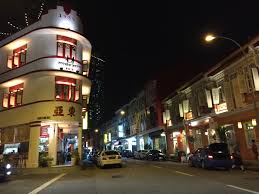
Introduction to Keong Saik Road in Singapore
Keong Saik Road stands as one of the most compelling heritage streets in Singapore, embodying a dramatic transformation from a notorious vice district into a refined lifestyle enclave filled with boutique hotels, design-forward restaurants, artisanal cafés, and preserved pre-war architecture. Located at the edge of Chinatown, this relatively short stretch of road has evolved into a microcosm of the city’s broader urban narrative: reinvention without complete erasure of memory. Today, visitors encounter pastel-toned shophouses, curated dining concepts, discreet cocktail bars, and creative businesses, yet beneath the polished exterior lies a layered story of migration, commerce, vice, reform, and conservation. Understanding this street requires moving beyond surface-level food lists and exploring its architectural, cultural, socio-economic, and urban planning dimensions in detail.
The Origins and Naming Legacy
The road derives its name from Tan Keong Saik, a prominent businessman and philanthropist active during the late nineteenth century. He played a significant role in community leadership within the Chinese population of colonial Singapore. The naming of the road reflects a historical pattern in which influential figures, merchants, and community leaders were commemorated through urban toponymy. This practice not only signified prestige but also reinforced networks of patronage and influence within immigrant communities. The area surrounding the street was originally populated by migrants from southern China, many of whom arrived seeking economic opportunity. The street thus emerged within a dense matrix of clan associations, trading houses, temples, and boarding houses that formed the backbone of early urban life. Its name remains a reminder that the district’s identity was once tied closely to community organization and mercantile ambition rather than nightlife and boutique hospitality.
Architectural Character and Conservation Identity
4
One of the most striking aspects of the street is its line of conserved shophouses. These two- and three-storey buildings represent late nineteenth- and early twentieth-century architectural styles, blending Chinese, Malay, and European influences. Ornamental plasterwork, timber shutters, ceramic tiles, air wells, and five-foot ways characterize the typology. The conservation of these structures forms part of Singapore’s broader heritage protection strategy that emphasizes adaptive reuse rather than demolition. Instead of replacing the buildings with high-rise developments, authorities designated the district for conservation, allowing façades and structural elements to be retained while interiors are modernized. This balance has allowed the street to maintain visual coherence while supporting contemporary commercial uses. The rhythmic repetition of pastel façades creates a streetscape that is highly photogenic, yet its value extends beyond aesthetics. These buildings embody craftsmanship traditions, climatic design strategies such as cross-ventilation, and social arrangements in which commerce and residence coexisted vertically within the same structure.
From Vice District to Cultural Renaissance
For much of the twentieth century, the road carried a reputation associated with brothels and nightlife. During colonial and early post-independence periods, the district formed part of a wider red-light zone. Small rooms within shophouses were partitioned for transactional encounters, and the street’s activity peaked after dark. This phase of its history reflects broader patterns of urban marginalization in port cities, where migrant labor populations created demand for informal entertainment economies. Over time, shifts in public policy, law enforcement, and urban redevelopment gradually reduced the concentration of vice-related activities. As Singapore pursued modernization, areas associated with social stigma faced either demolition or transformation. In this case, transformation prevailed. By the early twenty-first century, entrepreneurs began repurposing conserved shophouses into restaurants, bars, and boutique accommodations. The street’s gritty past paradoxically became part of its brand narrative, providing a sense of authenticity and layered character that newer districts lacked.
Integration with Surrounding Urban Fabric
The street does not exist in isolation; it forms part of a network that includes Ann Siang Hill and Club Street, both known for nightlife and dining. Together, these streets create a compact entertainment cluster within walking distance of the central business district. This spatial proximity influences visitor demographics. Office workers frequent the area during evenings, while international tourists explore it during weekends. The integration of heritage streets within a high-density financial core exemplifies Singapore’s urban planning philosophy of mixed-use vibrancy. Rather than segregating historical districts as static museums, planners enabled them to function as living commercial ecosystems. The result is a dynamic interplay between corporate towers and low-rise heritage rows, producing a layered skyline and experiential diversity within a small radius.
Culinary Landscape and Gastronomic Evolution
4
The culinary transformation of the street is central to its modern identity. Dining establishments range from contemporary Asian fusion concepts to European-inspired bistros and traditional eateries. The architectural envelope of shophouses lends intimacy to restaurant interiors, encouraging chefs and designers to craft immersive atmospheres. Exposed brick walls, restored timber beams, and courtyard dining spaces enhance experiential value. Over time, the area has attracted award-winning chefs and hospitality entrepreneurs seeking a distinctive setting that differentiates them from mall-based venues. The concentration of food establishments generates a self-reinforcing ecosystem: diners visit one venue and discover others nearby, extending their stay. This clustering effect increases foot traffic and sustains high occupancy rates for commercial units. The gastronomic scene thus acts as both economic driver and cultural magnet, reinforcing the street’s repositioning from stigmatized past to aspirational destination.
Boutique Hospitality and Adaptive Reuse
Several conserved buildings now function as boutique hotels, capitalizing on the architectural charm and central location. Unlike standardized chain accommodations, these properties emphasize design individuality. Guest rooms often incorporate heritage elements such as patterned tiles and restored wooden staircases while integrating modern amenities. This approach reflects broader hospitality trends favoring experiential travel over purely functional lodging. By sleeping within a conserved shophouse, visitors participate directly in heritage preservation through commercial patronage. The economic viability of boutique hotels demonstrates how conservation can align with profitability, countering arguments that preservation inhibits growth. Instead, heritage authenticity becomes a competitive advantage in a saturated urban market.
Cultural and Religious Anchors
Within proximity to the street stands Cundhi Gong Temple, a religious site that adds spiritual dimension to the district’s identity. The presence of temples and clan associations in the broader Chinatown area reinforces continuity with migrant traditions. While nightlife and dining often dominate contemporary narratives, religious institutions quietly maintain ritual practices that predate commercial reinvention. Incense smoke drifting from temple courtyards, festival processions during lunar celebrations, and community gatherings preserve intangible cultural heritage. These activities coexist with cocktail bars and cafés, illustrating the multi-layered coexistence typical of historic Asian urban quarters.
Demographic Shifts and Social Dynamics
Historically, the district housed working-class migrants and small-scale traders. Over decades, demographic patterns shifted due to rising property values and commercial gentrification. Residential units increasingly converted into commercial spaces, reducing long-term local residency. This transition raises questions about authenticity and displacement. While conservation preserved façades, social composition transformed significantly. The contemporary visitor profile skews toward professionals, expatriates, and tourists. Rental rates reflect premium positioning, limiting accessibility for traditional small traders. Yet gentrification also contributed to improved building maintenance and safety. The street thus embodies the tension between economic revitalization and socio-cultural continuity, a tension common in global heritage districts.
Economic Microclimate and Business Ecology
From an economic perspective, the street functions as a specialized microclimate characterized by high foot traffic, strong brand synergy, and premium rental pricing. Businesses benefit from proximity to complementary offerings, creating a destination effect rather than isolated storefront experiences. Marketing strategies frequently highlight the street name itself as part of brand identity, leveraging its reputation for trendiness. Commercial turnover exists, but vacancy periods tend to be short due to sustained demand. Investors view conserved properties as stable assets with appreciation potential. The interplay between heritage restrictions and commercial ambition requires careful regulatory oversight to maintain architectural integrity while enabling profitability.
Nightlife Identity and After-Dark Transformation
As daylight fades, the street adopts a different rhythm. Ambient lighting accentuates pastel façades, and music spills from bar interiors. The atmosphere becomes more intimate and social. Compared to large-scale nightlife districts, the experience here is more curated and boutique-oriented. Speakeasy concepts, craft cocktails, and intimate wine bars dominate rather than large dance clubs. This positioning aligns with the demographic profile of young professionals and design-conscious visitors. The after-dark economy extends operating hours and diversifies revenue streams for businesses. It also reinforces the historical association with nocturnal activity, albeit in a rebranded and regulated form.
Urban Planning Framework and Policy Influence
Singapore’s conservation policies play a decisive role in shaping the street’s evolution. Authorities designated the district as a conservation area, establishing guidelines for façade preservation, color schemes, structural modifications, and signage control. These guidelines ensure visual harmony and prevent incongruous redevelopment. Adaptive reuse policies encourage entrepreneurs to operate within preserved structures rather than demolish them. Such regulatory frameworks illustrate how policy can guide transformation without sacrificing character. The success of the street demonstrates that conservation districts can generate economic vibrancy while safeguarding built heritage.
Comparative Context Within the City
When compared with Joo Chiat, another conserved enclave known for Peranakan heritage, the street exhibits a more nightlife-oriented and centrally located character. While Joo Chiat retains a stronger residential presence, this street leans toward hospitality and dining. The comparison highlights variations in conservation outcomes based on location, demographic shifts, and market forces. Both districts share architectural typologies but differ in socio-economic emphasis. Such contrasts reveal that conservation does not produce uniform results; instead, each area evolves according to contextual factors.
Visitor Experience Design and Walkability
The compact length of the street enhances walkability. Visitors can traverse it within minutes, yet the density of venues encourages lingering. Five-foot ways provide sheltered pedestrian corridors, reflecting climatic adaptation to tropical weather. Street width supports moderate vehicular access while maintaining pedestrian friendliness. The absence of towering buildings within the street itself creates a human-scale environment that contrasts with surrounding skyscrapers. This scale fosters intimacy and encourages spontaneous exploration. Visitors often pair their walk with nearby cultural landmarks and hawker centers, creating a layered itinerary within a small geographic footprint.
Visual Identity and Instagram Culture
In the era of social media, the street’s pastel façades and curated interiors have become visual assets. Photographs of symmetrical shophouse rows and neon-lit bar signs circulate widely online, reinforcing brand recognition. Businesses consciously design façades and interiors with shareability in mind, incorporating murals, textured walls, and statement lighting. This visual strategy amplifies organic marketing through user-generated content. The aesthetic coherence of the street enhances its photogenic appeal, making it a frequent backdrop for fashion shoots and lifestyle campaigns.
Environmental and Climatic Considerations
The conserved architecture incorporates climate-responsive features such as high ceilings, internal courtyards, and operable shutters that promote ventilation. While many interiors now rely on air-conditioning, the structural design reflects traditional adaptation to tropical heat and humidity. Conservation guidelines often encourage retention of such features, supporting passive cooling principles. The dense urban setting also benefits from shade provided by continuous façades. Future sustainability initiatives may further integrate energy-efficient systems within preserved structures, balancing heritage preservation with environmental responsibility.
Symbolism of Transformation
The narrative arc from red-light district to culinary hotspot symbolizes broader national themes of discipline, reinvention, and strategic planning. The street’s reinvention demonstrates how stigmatized spaces can acquire new identities without complete erasure of memory. Rather than denying its past, the district subtly incorporates it into storytelling and branding. This layered identity appeals to visitors seeking authenticity within a highly modernized cityscape.
Challenges and Ongoing Pressures
Despite its success, the street faces ongoing pressures. Rising rents challenge small independent operators. Tourism fluctuations influence revenue stability. Regulatory compliance for heritage conservation can increase renovation costs. Balancing nightlife vibrancy with residential comfort requires careful management. These challenges necessitate adaptive strategies from business owners and policymakers alike.
Future Trajectory and Innovation Potential
Looking forward, the street may evolve further through integration of experiential retail, creative studios, and cultural programming. Pop-up exhibitions, heritage walks, and culinary festivals could deepen engagement beyond dining. Digital storytelling platforms may provide augmented reality tours highlighting historical layers. Such innovations would enhance educational value while maintaining commercial vitality.
Comprehensive Walking Exploration Blueprint
A comprehensive exploration might begin in the late afternoon to appreciate architectural details under natural light. Visitors could observe façade ornamentation, tile motifs, and timber shutters before entering a café for respite. As evening approaches, dining experiences unfold across multiple cuisines. A final stop at a discreet cocktail bar would reveal the street’s nocturnal ambiance. This progression mirrors the historical journey from daylight commerce to nighttime activity, offering experiential continuity.
Strategic Content Recommendations for a Standout Article
To create an article that surpasses existing content, depth and narrative integration are essential. Instead of listing venues, weave architectural analysis with socio-economic commentary. Incorporate interviews or reconstructed voices that evoke lived experiences. Present comparative insights with other conserved districts to contextualize uniqueness. Provide detailed explanations of conservation policy frameworks and economic dynamics. Include annotated maps and historical imagery juxtaposed with contemporary photographs. Address challenges such as gentrification candidly while acknowledging benefits of revitalization. Conclude with forward-looking reflections that position the street within broader urban evolution narratives. By blending storytelling, data-informed insight, cultural analysis, and experiential guidance, a new article can transcend generic travel lists and establish itself as an authoritative, immersive exploration of one of Singapore’s most compelling heritage corridors.
You may also like



Leave a Reply