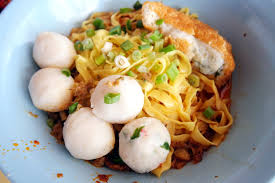
Introduction to Song Kee Fishball Noodle
Nestled in the heart of Singapore’s hawker scene, Song Kee Fishball Noodle is more than just a meal—it’s a culinary tradition that has delighted generations of locals and visitors alike. Known for its distinctive fishballs, springy noodles, and aromatic broth, this hawker classic embodies simplicity, skill, and authenticity. Over the years, it has gained a loyal following, making it a must-visit for anyone exploring Singapore’s food culture.
Unlike modern restaurants that rely heavily on elaborate presentations, Song Kee focuses on the fundamentals: high-quality ingredients, consistency, and technique. Each bowl represents hours of practice, ensuring the right balance of texture, flavor, and aroma.
The Unique Components of Song Kee Fishball Noodle
Song Kee Fishball Noodle consists of three essential components: the noodles, the fishballs, and the soup or sauce. Each element contributes to the dish’s overall harmony and is crafted with precision.
The Noodles
The noodles at Song Kee are traditionally made from wheat flour, resulting in a firm and slightly chewy texture. Customers often have the choice between mee pok (flat noodles) and mee kia (thin noodles). The noodles are blanched to perfection, retaining a slight bite without becoming mushy. The springiness of the noodles allows them to carry the flavors of the sauce and soup effectively, making each mouthful satisfying and balanced.
Handmade Fishballs
The fishballs are the hallmark of Song Kee. Made from fresh fish paste, they are carefully kneaded to achieve the ideal bouncy texture. The process involves grinding the fish, combining it with starch, and kneading repeatedly to remove air pockets. When cooked, the fishballs retain a firm, springy consistency, bursting with flavor. Their subtle sweetness contrasts perfectly with the savory broth and noodles.
Soup and Sauce
Song Kee offers a choice between dry and soup versions of the dish. The soup is clear, light, and aromatic, prepared from a slow-simmered fish stock enriched with vegetables and minimal seasoning to maintain a delicate balance. For those who prefer a dry noodle experience, the sauce option blends light soy sauce, sesame oil, and a touch of chili paste, coating the noodles evenly while enhancing the natural flavors of the fishballs.
Signature Dishes and Variations
While the classic fishball noodle remains the centerpiece, Song Kee also offers variations and complementary dishes.
- Fish Dumplings (Herh Keow): These dumplings are made from fish paste encased in translucent skin, providing a soft, melt-in-your-mouth contrast to the springy fishballs.
- Fried Fishcake: A lightly fried alternative that adds texture and depth to the meal.
- Combination Bowls: Some patrons prefer a mix of fishballs, dumplings, and fishcake for a richer experience.
These variations allow diners to customize their meal while exploring different textures and flavors that reflect traditional Singaporean hawker cuisine.
The Craft Behind the Flavors
Creating a perfect bowl of Song Kee Fishball Noodle requires meticulous attention to detail.
- Ingredient Selection: Freshness is paramount. Fish is sourced daily, and noodles are prepared in small batches to maintain quality.
- Precision Cooking: Noodles are blanched for exact durations, while fishballs are boiled until they achieve the ideal bounce. Overcooking any component can compromise texture.
- Balance of Taste: The dish relies on harmony rather than bold seasoning. The sweetness of fishballs, savoriness of broth, and mild spice in sauces create a well-rounded flavor profile.
Advanced enthusiasts often note that the subtle layering of flavors is what differentiates a superior bowl from an ordinary one.
What Makes Song Kee Stand Out
Song Kee Fishball Noodle stands apart in a crowded hawker scene due to several key factors:
- Consistency Across Batches: Despite high customer volume, each bowl maintains the signature taste and texture.
- Authenticity: The recipe has remained true to its roots, avoiding shortcuts like frozen or pre-processed ingredients.
- Customer Experience: Patrons appreciate the straightforward presentation, fast service, and opportunity to customize noodles, fishballs, and soup to preference.
The combination of tradition, precision, and customer-focused service keeps diners coming back.
Tips for First-Time Visitors
For those experiencing Song Kee Fishball Noodle for the first time, there are a few strategies to maximize the experience:
- Choosing Noodles: Mee pok offers a heartier bite, while mee kia is lighter and better for those who prefer thinner strands.
- Ordering Fishballs: Freshly made fishballs are bouncy and flavorful—request them if possible.
- Customizing the Bowl: Adjust the level of soup or dry sauce to match your taste preference. Some diners like to add extra chili for an added kick.
- Time Your Visit: Peak hours often result in queues, but the wait is worth the quality.
Following these tips ensures an optimal tasting experience, whether you’re a local or a tourist.
Cultural Significance and Hawker Heritage
Song Kee Fishball Noodle is more than food—it’s part of Singapore’s hawker heritage. Hawker stalls have historically served as community hubs, offering affordable, high-quality meals. Song Kee embodies this tradition by preserving methods that have been passed down over decades.
The stall’s approach also reflects a larger cultural emphasis on craftsmanship, quality ingredients, and respect for culinary roots. Diners are not just eating a meal—they are participating in a living tradition.
Pairing Options and Complementary Dishes
While a bowl of fishball noodle can stand alone, pairing it with additional items can elevate the meal:
- Vegetables: Lightly blanched greens add texture and color while balancing the richness of fishballs.
- Chili Paste: Homemade chili paste enhances flavor without overpowering the natural taste of the dish.
- Side Snacks: Items like fried dumplings or fishcakes provide complementary textures.
These thoughtful pairings demonstrate the versatility of Song Kee’s menu and cater to diners looking for a complete, satisfying meal.
Modern Enhancements While Preserving Tradition
While maintaining traditional methods, Song Kee has embraced subtle enhancements to meet contemporary expectations:
- Clean Presentation: Modern plating allows diners to appreciate the texture and color of each component.
- Hygienic Practices: Strict cleanliness ensures a safe dining environment without compromising flavor.
- Customer Feedback Integration: Adjustments to spice levels, noodle texture, and portion sizes have been made based on diner feedback while maintaining authenticity.
These improvements highlight how tradition and modernity can coexist successfully.
Advanced Tips for Food Enthusiasts
For those looking to analyze or appreciate Song Kee Fishball Noodle at a deeper level:
- Texture Analysis: Observe the springiness of the fishballs versus the chewiness of noodles. Ideal balance is achieved when neither component dominates.
- Flavor Layering: Taste each element individually, then combined, to understand how sweetness, saltiness, and subtle spice interact.
- Serving Temperature: Note that slight variations in broth temperature can alter perception of flavor intensity.
Such observations can enrich the dining experience and enhance appreciation of culinary craftsmanship.
Conclusion
Song Kee Fishball Noodle exemplifies the best of Singapore’s hawker culture. Through meticulous attention to ingredients, precise cooking techniques, and dedication to tradition, it delivers a meal that is simple in appearance but rich in flavor and history.
By combining authentic fishballs, expertly cooked noodles, and carefully balanced broth or sauce, Song Kee ensures that each bite is a testament to the art of hawker cooking. Whether for first-time visitors or seasoned foodies, experiencing Song Kee is an essential step in understanding Singapore’s culinary heritage.
For anyone exploring the city’s food landscape, a visit to Song Kee Fishball Noodle offers not just sustenance, but a genuine taste of Singapore’s culture, tradition, and passion for great food.
You may also like
Leave a Reply