The Peranakan: A Living Legacy of Culture and Tradition
The Peranakan community, often described as “locally born” descendants of Chinese immigrants who settled in Southeast Asia centuries ago, represents a unique cultural fusion. These communities developed in areas such as Singapore, Malacca, Penang, Phuket, and Java, blending Chinese heritage with local Malay and other Southeast Asian traditions. The term “Peranakan” itself denotes a sense of belonging to the land while maintaining ancestral roots, creating a hybrid identity that is distinct yet deeply rooted in history.
Peranakans have historically acted as intermediaries between cultures, navigating trade, social structures, and customs across ethnic lines. This duality is reflected not only in their language, attire, and food but also in their social practices and community organizations.
Language and Communication Traditions
Language plays a central role in Peranakan identity. The community developed a unique creole known as Baba Malay, which combines Malay vocabulary with Chinese syntax and expressions. Baba Malay served as a bridge for communication, allowing Peranakans to interact with both Chinese immigrants and local populations effectively.
In addition to spoken language, written scripts and literary works emerged within the community, documenting folklore, family histories, and traditional knowledge. These documents are often preserved in family collections or museums, highlighting the intellectual and cultural richness of the Peranakan people.
Traditional Attire and Cultural Symbols
Clothing remains one of the most recognizable elements of Peranakan culture. Women traditionally wear the kebaya, a fitted blouse made of fine fabrics, often intricately embroidered, paired with batik sarongs. Accessories such as beaded slippers, jewelry, and elaborate hairpins further reflect status and artistic sensibilities.
Men historically wore baju panjang and sarongs, often accessorized with songkoks or headgear, reflecting a blend of Chinese, Malay, and colonial influences. Attire was not merely functional; it conveyed wealth, social standing, and adherence to cultural values, especially during ceremonial occasions like weddings and festivals.
Culinary Heritage
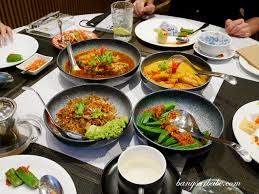
Peranakan cuisine, or Nyonya food, is renowned for its complex flavors, combining Chinese ingredients with Malay spices, herbs, and cooking techniques. Signature dishes include ayam buah keluak, babi pongteh, and kueh varieties. These dishes often require intricate preparation, balancing sweet, sour, salty, and spicy tastes to create a rich sensory experience.
Food in Peranakan culture extends beyond sustenance; it represents hospitality, family bonds, and ritual observances. Recipes are typically passed down through generations, and traditional cooking methods are preserved as cultural heritage. Cooking for festivals or life events often involves multiple family members, fostering intergenerational connection and knowledge transfer.
Architecture and Home Design
Peranakan architecture reflects the community’s hybrid identity. Shophouses and residences feature ornate façades, colorful tiles, and carved wooden panels. Interior spaces often combine Chinese feng shui principles with Malay spatial organization, emphasizing harmony, practicality, and aesthetic appeal.
Central courtyards, decorative staircases, and heritage artifacts such as porcelain collections or family heirlooms are common features. The houses are not just functional spaces; they are living representations of Peranakan values, artistry, and social hierarchy.
Social Customs and Community Life
The Peranakan community historically maintained strong family networks and social organizations. Extended families often lived together or in close proximity, sharing responsibilities, celebrations, and cultural practices.
Marriage and family rituals are particularly elaborate, combining symbolic elements from Chinese and Malay traditions. Wedding ceremonies, for example, may include multi-day events, elaborate clothing, ceremonial gifts, and ritual performances, each imbued with cultural meaning. Social gatherings also emphasized music, dance, and storytelling, reinforcing communal bonds and preserving cultural heritage.
Religious Practices and Festivals
Religious life among Peranakans is diverse, often blending Confucian, Buddhist, Taoist, and local Malay spiritual practices. Ancestral worship remains central, with altars, offerings, and prayers performed during key family events.
Festivals are occasions for both communal celebration and cultural preservation. Lunar New Year, Qing Ming, and other traditional Chinese festivals are observed, often incorporating local Malay customs. Additionally, Peranakans celebrate unique cultural events, such as traditional weddings, that highlight the fusion of spiritual and cultural identities.
Contemporary Adaptations and Modern Identity
Modern Peranakan communities face the challenge of preserving traditions while adapting to contemporary life. Younger generations are reinterpreting cultural practices, incorporating Peranakan elements into modern design, fashion, and cuisine.
Language preservation is a particular concern, as Baba Malay usage declines. Community organizations, cultural programs, and educational initiatives are working to sustain linguistic heritage and traditional knowledge. Technology also allows for digital documentation, virtual exhibitions, and online storytelling, creating new avenues for cultural continuity.
Regional Variations and Distinct Communities
Peranakan culture varies across regions, reflecting local influences and historical circumstances. For example, Penang Peranakans may emphasize specific culinary styles, while Malacca Peranakans are renowned for intricate beadwork and embroidery. Phuket Peranakans have their own architectural adaptations and ritual practices.
These regional distinctions highlight the adaptability of Peranakan culture, demonstrating its ability to integrate local elements while retaining core identity markers. Understanding these differences provides deeper insight into the community’s diversity and richness.
Preserving Heritage Through Education and Museums
Museums, cultural centers, and educational programs play a vital role in preserving Peranakan heritage. Exhibitions display traditional attire, artifacts, culinary tools, and artwork, offering both residents and tourists a window into Peranakan life. Workshops, classes, and guided tours allow hands-on engagement, ensuring that skills and knowledge are passed on to younger generations.
Educational initiatives often include lectures, storytelling, and research projects, fostering greater understanding of Peranakan history and its contemporary relevance. This active preservation effort helps maintain cultural identity amid globalization and social change.
The Future of Peranakan Culture
The future of Peranakan culture depends on balancing tradition with innovation. Communities are finding creative ways to celebrate their heritage while integrating into modern society. Culinary fusion, fashion reinterpretation, and digital storytelling are all pathways through which Peranakan culture continues to thrive.
By documenting and sharing personal narratives, preserving language, and showcasing regional diversity, the Peranakan legacy remains a vibrant and dynamic part of Southeast Asia’s cultural landscape.
You may also like

Leave a Reply