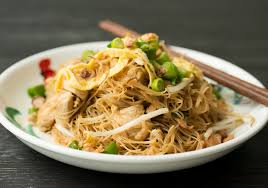
The Ultimate Guide to Bee Hoon: Singapore’s Beloved
Bee hoon, also known as rice vermicelli, is a staple in many Southeast Asian kitchens. Its thin, delicate strands have made it a versatile ingredient for a variety of dishes, from street food favorites to home-cooked meals. Understanding bee hoon involves exploring its origins, varieties, cooking techniques, cultural significance, and nutritional aspects. This guide provides a comprehensive overview, including practical tips and advanced insights for enthusiasts and home cooks alike.
Origins and Cultural Background
Bee hoon traces its roots back to Chinese culinary traditions, specifically the southern regions of China. The name “bee hoon” comes from the Hokkien dialect, reflecting the linguistic heritage of early Chinese immigrants to Southeast Asia. These migrants brought rice vermicelli to countries like Singapore, Malaysia, and Indonesia, where it became deeply embedded in local food culture.
The migration of bee hoon into local cuisine transformed it from a simple noodle into dishes that reflected the flavors and ingredients of each region. Over time, it became a symbol of culinary fusion, blending Chinese techniques with Southeast Asian spices and sauces.
Types and Variations
Rice vermicelli is highly adaptable, giving rise to numerous types of bee hoon dishes. These can be broadly categorized into dry, sauced, and soup-based preparations.
Dry Bee Hoon Dishes
- Fried Bee Hoon: Stir-fried with vegetables, eggs, and sometimes seafood or meat. Common in hawker centers and home kitchens.
- Satay Bee Hoon: Served with a rich peanut sauce, often garnished with fried shallots and fresh herbs.
- Heng Hwa Bee Hoon: Traditional recipe from the Heng Hwa community, featuring light seasoning, a delicate broth, and shredded meats.
Soup-Based Bee Hoon
- Fish Soup Bee Hoon: Light rice vermicelli served in a clear fish broth, garnished with green onions and coriander.
- Seafood Bee Hoon: Combines fresh prawns, squid, or crab with a mildly spiced broth.
- Vegetarian Bee Hoon Soup: Uses mushroom or vegetable broth for a wholesome, plant-based alternative.
Regional Differences
- Singapore: Hawker-style stalls focus on affordability and fast service, often offering fried or dry versions with protein options.
- Malaysia: Adds stronger spices and chili-based sauces, sometimes incorporating coconut milk for richness.
- Indonesia: Often features sweet soy sauce, local herbs, and unique seafood combinations.
Cooking Techniques and Tips
Mastering bee hoon requires understanding its delicate texture and quick cooking nature. Improper handling can lead to mushy noodles or uneven flavor absorption.
Selecting the Right Type
- Thin vs Thick Vermicelli: Thinner strands are ideal for soups; thicker strands hold up better in stir-fries.
- Fresh vs Dried: Fresh bee hoon cooks quickly and retains a soft texture, while dried vermicelli needs soaking in water before cooking.
Preparation Steps
- Soaking: Dried bee hoon should be soaked in warm water for 10–15 minutes until pliable.
- Rinsing: Drain and rinse under cold water to prevent sticking.
- Cooking: Stir-fry or blanch quickly, depending on the recipe. Avoid overcooking to maintain texture.
Flavor Infusion Tips
- Toss cooked noodles with sauces immediately to ensure even coating.
- Layer flavors by sautéing aromatics like garlic, shallots, and chilies before adding noodles.
- Use a small amount of oil to prevent sticking while keeping noodles light.
Nutritional Insights
Bee hoon is primarily made from rice flour, making it gluten-free and easy to digest. However, its nutritional value depends on preparation and portion size.
- Calories: Approximately 190–210 kcal per 100 grams (uncooked).
- Carbohydrates: High, providing energy for active lifestyles.
- Protein: Low in protein; pairing with seafood, tofu, or meat balances the meal.
- Fat Content: Minimal unless fried or cooked in oil-rich sauces.
- Dietary Fiber: Low; adding vegetables increases fiber intake.
Healthier Options
- Opt for steaming or boiling instead of frying.
- Incorporate vegetables and lean proteins to enhance nutritional balance.
- Limit high-sugar or high-salt sauces.
Popular Serving Styles
Bee hoon can be enjoyed in various settings, from casual street food to formal meals.
Hawker Center Favorites
- Mixed Bee Hoon Platter: Combines fried noodles with sides such as sambal, vegetables, and protein.
- Economy Bee Hoon: Affordable versions served with a single choice of meat or fish, often accompanied by soup.
Home Cooking
- Simple stir-fried versions with egg, vegetables, and a light soy or oyster sauce.
- Soups using homemade broth, seafood, or tofu for a comforting meal.
Special Occasions
- Festive or ceremonial meals may feature crab bee hoon or satay bee hoon as a centerpiece.
Advanced Insights and Expert Tips
Ingredient Pairing
- Peanut sauces pair well with satay bee hoon, enhancing umami flavors.
- Fresh herbs like coriander, mint, or spring onions elevate soups and fried versions.
- Acidic elements like lime juice or tamarind balance richness in heavier dishes.
Texture Mastery
- Maintaining the “al dente” texture requires quick stir-frying and avoiding overcrowding the pan.
- Layering ingredients in order of cooking time ensures even texture and flavor distribution.
Storage and Shelf Life
- Dried Bee Hoon: Up to 12 months in a cool, dry place.
- Fresh Bee Hoon: Use within 3–5 days; store in airtight containers.
- Cooked Bee Hoon: Best consumed immediately; refrigerate and reheat with minimal water to prevent stickiness.
Common Misconceptions
- Bee hoon is not always gluten-free if processed with additives; always check packaging.
- “Fried bee hoon” does not mean deep-fried noodles; it refers to stir-fried preparation.
- Soup versions are not heavy, despite their rich flavor.
Comparative Insights
| Type | Flavor Profile | Texture | Common Additions |
|---|---|---|---|
| Satay Bee Hoon | Nutty, slightly sweet | Soft, saucy | Peanut sauce, herbs |
| Fried Bee Hoon | Savory, light | Slightly chewy | Egg, vegetables, meat |
| Fish Soup Bee Hoon | Umami, mild | Tender | Fish, spring onions |
| Vegetarian Bee Hoon | Light, earthy | Soft | Mushrooms, tofu, greens |
Serving and Presentation Tips
- Garnish with fried shallots or fresh herbs to enhance aroma.
- Use shallow bowls for soups to allow even cooling and flavor appreciation.
- Combine contrasting textures (crispy toppings with soft noodles) to elevate the eating experience.
Frequently Asked Questions
- Can bee hoon be frozen? Yes, cooked bee hoon can be frozen briefly but may lose texture.
- Is it suitable for a low-carb diet? Limited; rice vermicelli is high in carbs.
- What sauces work best? Light soy, oyster, peanut, or fish sauces depending on dish style.
Conclusion
Bee hoon is more than just rice vermicelli; it is a culinary symbol that bridges tradition, culture, and innovation. Its versatility makes it suitable for various dishes, from simple home meals to complex festive recipes. By understanding its history, varieties, preparation techniques, and nutritional aspects, anyone can master the art of bee hoon. Incorporating fresh ingredients, proper cooking methods, and creative presentation ensures that this classic noodle continues to delight taste buds for generations.
You may also like
Leave a Reply