The Ultimate Guide to Building and Maintaining a Chicken House
Creating the perfect chicken house is essential for anyone interested in backyard poultry, small farming, or sustainable living. A well-designed chicken house ensures your birds are safe, healthy, and productive. This guide will walk you through everything from selecting the right location to advanced maintenance tips, helping you create an environment your chickens will thrive in.
Choosing the Right Location
The location of your chicken house plays a critical role in the health and productivity of your birds. Ensure that the site is dry, well-drained, and receives adequate sunlight throughout the day. Avoid low-lying areas that can flood during heavy rains as waterlogged conditions promote disease and parasite infestations.
Place the chicken house near a water source for convenience, but not too close to avoid attracting predators. If possible, position the coop with the entrance facing southeast to capture morning sun, which helps warm the house naturally and encourages early morning activity.
Consider the proximity to your home. A chicken house that is too far can make daily care tedious, while one too close may cause noise or odor issues.
Determining the Size
Proper sizing is crucial for maintaining chicken health. Overcrowding leads to stress, aggression, and disease. The general rule is to allow 2-3 square feet per chicken inside the coop and 8-10 square feet per chicken in the outdoor run.
For example, a flock of 6 chickens would require a minimum of 12-18 square feet inside and 48-60 square feet for the run. Keep in mind that larger breeds need slightly more space. Overbuilding is often better than underestimating, as chickens benefit from space to move, stretch, and exercise.
Structural Design and Materials
Selecting durable materials ensures longevity and protection from predators and weather. Use treated wood, metal, or high-quality plastic panels for the structure. Avoid untreated wood in regions with high humidity or heavy rainfall, as it can warp or rot over time.
The roof should be sloped to allow rainwater to drain efficiently. Materials like corrugated metal sheets or asphalt shingles are ideal. Ensure that the roof overhang protects the entrance and walls from heavy rain.
Install secure doors and latches. Predators such as raccoons and foxes are adept at opening simple latches, so use reinforced locks or carabiner-style fasteners.
Ventilation and Temperature Control
Proper airflow prevents respiratory problems and reduces moisture buildup inside the coop. Include adjustable vents on opposite walls to create cross-ventilation. In cold climates, vents should be positioned higher up to avoid drafts at chicken level.
Temperature control is equally important. Chickens tolerate cold better than heat, but extreme temperatures require intervention. In winter, use insulated panels or heat lamps sparingly to maintain a minimum temperature of 50°F. In hot climates, provide shade, ventilation, and possibly fans to avoid heat stress.
Flooring Options
The floor of your chicken house impacts cleaning efficiency and bird comfort. Popular flooring materials include wood, concrete, or compacted dirt with bedding.
- Wood flooring is comfortable and natural but requires regular cleaning.
- Concrete is easy to clean and disinfect but can be hard on birds’ feet.
- Dirt floors with deep litter bedding allow natural scratching behavior and composting of droppings but need careful management to prevent ammonia buildup.
Consider using removable trays or mats to simplify cleaning and reduce labor over time.
Nesting Boxes and Roosting Bars
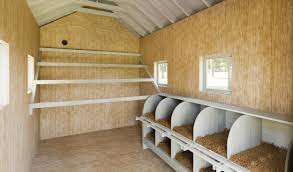
Chickens need designated areas for laying eggs and sleeping. Nesting boxes should be placed in a quiet, dimly lit area of the coop, approximately one box per 4-5 hens. Line boxes with straw, wood shavings, or other soft bedding material to encourage egg-laying and prevent breakage.
Roosting bars should be higher than nesting boxes, as chickens naturally prefer elevated areas to sleep. Allow 8-12 inches per bird on the roost. Round or slightly oval bars are preferable to flat boards, reducing foot discomfort and injury.
Predator Protection
Predator control is a top priority. In addition to secure latches, reinforce the coop and run with hardware cloth instead of chicken wire, as it is more resistant to predators. Bury fencing 12 inches underground to prevent animals from digging under.
Regularly inspect the coop for gaps or weak spots. Consider motion-activated lights or deterrents if predators are a frequent problem in your area.
Advanced Tips for Health and Hygiene
Maintaining a clean chicken house reduces disease and improves productivity. Implement a deep litter system or clean the coop weekly, replacing bedding and disinfecting surfaces. Remove wet bedding promptly to prevent mold and ammonia buildup.
Rotate outdoor run areas if possible. This prevents soil-borne disease and provides fresh foraging ground. Introduce grit and oyster shell supplements to aid digestion and strengthen eggshells.
Monitor for parasites such as mites and lice. Treat with natural remedies or safe insecticides when necessary. Regular health checks for respiratory symptoms, lethargy, or feather loss help prevent outbreaks.
Lighting and Egg Production
Lighting impacts egg production significantly. Hens require 14-16 hours of light daily to maintain consistent laying. In winter months, supplement natural light with safe artificial lighting. Ensure light is evenly distributed and not too intense to avoid stress.
Consider installing timers for efficiency. Gradually adjust light exposure to mimic natural sunrise and sunset, which supports bird wellbeing.
Storage and Organization
A well-organized chicken house includes space for feed, tools, and bedding. Store feed in airtight containers to prevent pests. Keep cleaning tools like scrapers, brushes, and wheelbarrows close to minimize effort.
Designate areas for extra bedding, supplements, and first aid supplies. Efficient storage reduces daily labor and makes maintenance more manageable.
Sustainable Practices
Incorporating sustainable practices can enhance both productivity and environmental impact. Use rainwater collection systems for drinking water. Compost chicken droppings for fertilizing gardens.
Consider integrating the coop into a permaculture design where chickens can forage naturally, reducing feed costs and promoting soil health. Rotate chickens through garden areas to distribute nutrients evenly.
Common Mistakes to Avoid
- Overcrowding: Leads to aggression and disease.
- Poor ventilation: Causes respiratory issues and moisture problems.
- Inadequate predator protection: Invites wildlife attacks.
- Ignoring maintenance: Results in buildup of waste and unhealthy conditions.
- Improper lighting: Negatively affects egg production and bird behavior.
Final Checklist for an Ideal Chicken House
- Dry, elevated location with good drainage
- Proper sizing for the number of chickens
- Durable and weather-resistant materials
- Secure doors, latches, and fencing
- Effective ventilation and temperature control
- Comfortable flooring and bedding system
- Nesting boxes and roosting bars placed appropriately
- Routine hygiene and parasite control
- Adequate lighting to support egg-laying
- Organized storage for feed, tools, and bedding
- Sustainable practices integrated where possible
A well-designed chicken house ensures healthy, productive chickens and simplifies your daily care routine. By combining practical design, advanced maintenance tips, and sustainable practices, you can create a chicken house that meets the needs of your flock while remaining manageable and efficient. Whether you are a beginner or an experienced poultry keeper, following these guidelines will help you achieve optimal results and enjoy the rewards of a thriving backyard flock.
Leave a Reply