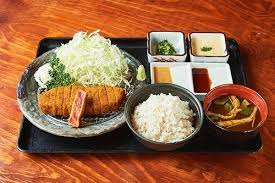
Gyukatsu: Japan’s Crispy Beef Cutlet Delight
Gyukatsu is a unique Japanese dish that has captured the hearts of food enthusiasts worldwide. Unlike the more common tonkatsu, which uses pork, gyukatsu is made from high-quality beef that is lightly breaded and deep-fried to perfection. This dish combines a crunchy exterior with a tender, juicy interior, offering a sensory experience that is both satisfying and unforgettable. In this guide, we explore everything about gyukatsu—from its history to preparation methods, serving techniques, and insider tips for creating the perfect cutlet at home.
What is Gyukatsu
Gyukatsu is essentially a breaded beef cutlet, often made from premium cuts like sirloin, ribeye, or tenderloin. The beef is coated in panko breadcrumbs and fried quickly to achieve a golden crust while keeping the inside rare or medium-rare. This technique highlights the natural flavor of the beef while adding a satisfying crunch. Gyukatsu is usually served with rice, shredded cabbage, and dipping sauces, making it a complete meal.
Key Characteristics of Gyukatsu
- Meat Quality: High-grade beef such as wagyu or sirloin.
- Cooking Method: Lightly deep-fried in oil at controlled temperatures.
- Texture Contrast: Crispy exterior with a juicy, tender interior.
- Serving Style: Accompanied by rice, cabbage, and dipping sauces.
History and Origins
Gyukatsu is a relatively modern addition to Japanese cuisine, emerging in the late 20th century. While tonkatsu has been popular since the early 1900s, gyukatsu was developed to appeal to beef lovers looking for a lighter, more delicate cutlet experience. It quickly gained popularity in Tokyo and Osaka, and its reputation has spread globally through Japanese restaurants and culinary enthusiasts.
The dish reflects Japan’s attention to detail in cooking, where the balance between texture, flavor, and presentation is paramount. Unlike traditional beef dishes that are often grilled or simmered, gyukatsu offers a unique combination of crispiness and tenderness that stands out.
Essential Ingredients
Creating authentic gyukatsu requires careful selection of ingredients:
- Beef: Choose a tender cut such as sirloin, ribeye, or wagyu for maximum flavor.
- Breadcrumbs: Japanese panko breadcrumbs are essential for a light and crispy coating.
- Egg and Flour: Used to create a binding layer for the breadcrumbs.
- Oil: Neutral oils like canola or vegetable oil for frying at the correct temperature.
- Seasoning: Salt and pepper are usually enough to enhance the natural flavor of beef.
Optional Ingredients for Enhanced Flavor
- Soy-based dipping sauces for additional umami.
- Wasabi or horseradish for a spicy kick.
- Garlic chips or sesame seeds sprinkled on top for texture.
Step-by-Step Preparation
Making gyukatsu at home requires attention to detail to ensure the beef remains tender while the coating turns golden brown.
- Prepare the Beef: Trim excess fat and slice the beef into thick portions. Pat dry to remove moisture.
- Seasoning: Lightly season with salt and pepper on all sides.
- Coating: Dredge in flour, dip in beaten egg, and coat evenly with panko breadcrumbs.
- Frying: Heat oil to 170–180°C (340–360°F). Fry each piece for 1–2 minutes per side for medium-rare, adjusting for thickness.
- Resting: Let the cutlets rest for a few minutes to allow juices to redistribute.
- Serving: Slice into bite-sized portions and serve with rice, cabbage, and dipping sauce.
Pro Tips for Perfect Gyukatsu
- Use a thermometer to maintain consistent oil temperature.
- Avoid overcrowding the pan to prevent steaming instead of frying.
- For an extra crunch, double-dip the beef in egg and breadcrumbs.
- Let beef come to room temperature before frying for even cooking.
Serving and Pairing Ideas
Gyukatsu is traditionally served as a full meal, but there are multiple ways to enhance the dining experience:
- Rice: Steamed Japanese short-grain rice complements the rich flavors of the beef.
- Cabbage: Finely shredded cabbage adds freshness and crunch.
- Sauces: Tonkatsu sauce, soy-based dipping sauce, or ponzu enhances umami.
- Side Dishes: Pickled vegetables, miso soup, or a light salad round out the meal.
Modern Twists on Gyukatsu
Some restaurants and chefs experiment with gyukatsu variations:
- Cheese-stuffed gyukatsu for a creamy surprise inside the cutlet.
- Spicy panko coating using chili flakes or paprika.
- Fusion versions with Western-style sides like fries or mashed potatoes.
Nutritional Insights
Gyukatsu, while indulgent, can be part of a balanced diet when enjoyed in moderation.
- Protein: Beef provides high-quality protein essential for muscle repair.
- Fat Content: Moderate, mostly from the meat; frying adds additional fat.
- Carbohydrates: Comes mainly from breadcrumbs and rice.
- Vitamins & Minerals: Iron, zinc, and B vitamins are abundant in beef.
For those seeking lighter options, using lean beef cuts and limiting oil absorption during frying can make gyukatsu a healthier indulgence.
Regional Differences
Gyukatsu varies slightly depending on the region in Japan:
- Tokyo Style: Focuses on lean cuts with a simple panko coating.
- Osaka Style: Often thicker, slightly more heavily fried for extra crunch.
- Kyoto Style: May include subtle local seasonings or dipping sauces unique to the city.
These subtle variations make trying gyukatsu in different regions a delightful experience for food travelers.
Advanced Cooking Techniques
For enthusiasts looking to perfect their gyukatsu:
- Sous-vide Beef: Cooking beef sous-vide before frying ensures precise internal doneness.
- Double Frying: Frying briefly, resting, then frying again creates extra crispiness without overcooking.
- Air Fryer Method: A modern approach to reduce oil content while maintaining crunch.
Common Mistakes to Avoid
- Overcooking the beef, which leads to dry meat.
- Using too coarse breadcrumbs that burn quickly.
- Frying at too high or too low temperature, causing uneven texture.
- Neglecting resting time after frying, which prevents proper juice retention.
Why Gyukatsu Stands Out
Gyukatsu offers a unique balance of flavor, texture, and visual appeal:
- The contrast of crunchy crust with juicy beef is highly satisfying.
- It allows beef connoisseurs to enjoy rare beef safely due to quick frying.
- Presentation can be elegant or casual, making it versatile for home cooking or restaurant service.
Final Thoughts
Gyukatsu is more than just a fried beef cutlet; it is a celebration of texture, flavor, and culinary craftsmanship. Its combination of crispy exterior, tender interior, and customizable accompaniments makes it an unforgettable dish. Whether enjoyed in a traditional Japanese restaurant, at home with friends, or as part of a creative fusion menu, gyukatsu continues to captivate both casual food lovers and gourmet enthusiasts alike.
By understanding the origins, ingredients, cooking techniques, and serving styles, anyone can appreciate and recreate this culinary masterpiece. With attention to detail and a few advanced tips, your homemade gyukatsu can rival that of a professional chef, offering a truly authentic Japanese dining experience.
You may also like
Leave a Reply