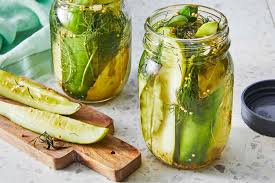
Everything You Need to Know About Dill
Dill is a versatile herb prized for its aromatic leaves and seeds, widely used in culinary, medicinal, and gardening contexts. Native to the Mediterranean and western Asia, it has spread across the globe and has become a staple ingredient in many cuisines. Its distinctive flavor and potential health benefits make it a favorite among chefs, home cooks, and gardeners alike.
Botanical Overview
Dill, scientifically known as Anethum graveolens, is an annual herb that belongs to the Apiaceae family. It grows up to 2–3 feet tall and features delicate, feathery leaves that are bright green in color. Dill produces small yellow flowers arranged in umbrella-shaped clusters known as umbels. The plant thrives in well-drained soil with full sunlight and moderate watering.
Characteristics of Dill
- Leaves: Thin, wispy, and fern-like, often called fronds.
- Flowers: Tiny yellow blooms forming umbrella-like clusters.
- Seeds: Oval, brownish-yellow, and aromatic; used as a spice.
- Height: 60–90 cm (2–3 feet).
- Lifespan: Annual; completes its life cycle within a year.
Culinary Uses
Dill is a culinary powerhouse. Both the leaves (fresh or dried) and seeds have distinct flavors that complement various dishes. It has a slightly grassy, anise-like taste that works well with savory recipes.
Using Dill Leaves
- Add fresh leaves to salads, dips, and dressings.
- Enhance flavor in soups, stews, and sauces.
- Mix into creamy spreads, such as yogurt or cream cheese.
- Use as a garnish for roasted vegetables, fish, and poultry.
Using Dill Seeds
- Sprinkle seeds on bread, crackers, and pickles.
- Use in spice blends for soups, meats, and sauces.
- Grind seeds to release a more concentrated flavor.
Culinary Pairing Tips
- Vegetables: Potatoes, cucumbers, carrots, and beets.
- Proteins: Salmon, chicken, and eggs.
- Dairy: Yogurt, sour cream, and cream cheese.
- Herbs: Parsley, chives, tarragon, and mint.
Nutritional Benefits
Dill is not just flavorful but also packed with essential nutrients. Incorporating dill into your diet can contribute to overall health and wellness.
Key Nutrients
- Vitamin C: Supports immune function and skin health.
- Vitamin A: Essential for vision and cellular health.
- Calcium: Promotes strong bones and teeth.
- Iron: Supports blood health and oxygen transport.
- Manganese: Aids in metabolism and antioxidant defense.
Health Advantages
- Digestive Aid: Dill can help alleviate indigestion and bloating.
- Anti-Inflammatory Properties: Compounds in dill may reduce inflammation.
- Antioxidants: Rich in flavonoids and phenolic compounds that combat oxidative stress.
- Heart Health: Dill may support cardiovascular wellness through its nutrient profile.
- Blood Sugar Regulation: Some studies suggest dill may help maintain healthy blood sugar levels.
Gardening and Cultivation Tips
Dill is relatively easy to grow but thrives best under the right conditions. Proper planting and care can ensure a healthy harvest of leaves and seeds.
Planting Guide
- Soil: Well-drained, loamy soil with a neutral to slightly acidic pH.
- Sunlight: Full sun for at least 6 hours per day.
- Watering: Moderate; avoid waterlogging.
- Spacing: 12–18 inches apart to allow airflow and growth.
Care Checklist
- Pruning: Trim leaves regularly to encourage new growth.
- Fertilization: Light feeding with compost or balanced fertilizer.
- Pests: Watch for aphids and caterpillars. Use natural remedies if needed.
- Harvesting: Leaves can be harvested once the plant reaches 6–8 inches; seeds when they turn brown.
Seed Saving Tips
- Allow flower heads to mature and dry on the plant.
- Collect seeds and store in airtight containers in a cool, dark place.
Preservation Techniques
Dill can be preserved to maintain its flavor for longer periods, whether fresh or dried.
Freezing Dill
- Wash and pat dry the leaves.
- Chop and place in ice cube trays with a little water or olive oil.
- Freeze and store cubes in airtight containers.
Drying Dill
- Hang small bundles upside down in a cool, dark, and ventilated area.
- Alternatively, use a dehydrator at low temperature.
- Store dried leaves and seeds in sealed jars away from sunlight.
Using Preserved Dill
- Dried dill works well in cooked dishes.
- Frozen dill is best added at the end of cooking for maximum flavor.
Unique Uses Beyond Cooking
Dill has applications that extend beyond culinary purposes. Its properties can be harnessed in natural remedies and household uses.
Medicinal Uses
- Digestive Tonic: Dill tea may relieve stomach cramps and indigestion.
- Respiratory Support: Dill vapor can help soothe mild respiratory discomfort.
- Sleep Aid: Drinking dill-infused tea may promote relaxation and better sleep.
Household and Garden Uses
- Pest Control: Dill can attract beneficial insects like ladybugs while deterring pests.
- Companion Planting: Helps improve growth for cabbage, onions, and cucumbers.
- Aromatic Use: Fresh dill leaves can be used in homemade potpourri.
Flavor Profile and Pairing Guide
Understanding dill’s flavor nuances can elevate cooking and make dishes more complex and aromatic.
Taste Notes
- Mildly sweet, slightly grassy, with hints of anise.
- Seeds offer a warm, earthy, and slightly bitter flavor.
Pairing Suggestions
- Pair with acidic foods like lemon, vinegar, and yogurt to balance flavors.
- Combine with mild vegetables to enhance aroma without overpowering.
- Blend with herbs such as parsley, thyme, and tarragon for nuanced seasoning.
Common Varieties of Dill
There are several varieties cultivated for either culinary or ornamental use.
- Fernleaf Dill: Compact leaves ideal for containers and small gardens.
- Bouquet Dill: Taller, classic variety often grown for seeds.
- Dukat Dill: Known for strong flavor and fast growth.
Troubleshooting Common Issues
Even hardy, easy-to-grow herbs like dill may encounter challenges.
Leaf Problems
- Yellowing leaves: May indicate overwatering or poor drainage.
- Wilting: Often caused by lack of sunlight or root stress.
Pest Issues
- Aphids: Spray with mild soapy water or neem oil.
- Caterpillars: Handpick or use natural insect deterrents.
Flowering Problems
- Bolting (premature flowering) occurs in hot conditions.
- Plant successively to ensure continuous harvest.
Final Tips for Growing and Using Dill
- Harvest regularly to encourage fuller, bushier growth.
- Use fresh dill in salads, but dried for cooked dishes.
- Experiment with global cuisines to explore unique flavors.
- Combine with other herbs to develop signature spice blends.
- Rotate crops in the garden to maintain soil health.
Dill is much more than a simple garnish. Its culinary versatility, nutritional value, and easy cultivation make it a must-have herb for kitchens and gardens alike. With the right care, creative recipes, and proper preservation, dill can elevate everyday meals and provide natural health benefits. Whether fresh, dried, or as seeds, incorporating dill into your life brings both flavor and function.
You may also like


Leave a Reply