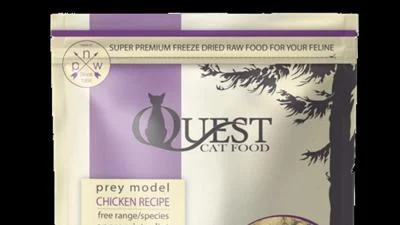
Quest Cat Food Recall 2026: Affected Products & Safety Guide
The quest cat food recall has become an important topic for pet owners across the United States. Several Quest Cat Food products were recalled after testing revealed dangerously low levels of thiamine, also known as Vitamin B1. This nutrient plays a critical role in maintaining a cat’s neurological function, appetite, and overall health.
As concerns grew among pet parents, regulatory authorities and the manufacturer issued warnings and recall notices to prevent further health risks. Understanding which products were affected and recognizing the signs of thiamine deficiency can help protect your cat from serious complications.
Why the recall happened, which products were impacted, common symptoms to watch for, and the steps you should take if you purchased any recalled products.
Understanding the Quest Cat Food Recall
The quest cat food recall was initiated after reports of cats developing symptoms associated with thiamine deficiency. Subsequent testing confirmed that certain lots contained extremely low or no detectable levels of Vitamin B1. Thiamine is considered an essential nutrient because cats cannot produce enough of it on their own.
The issue first gained attention when veterinarians reported neurological symptoms in affected cats. Regulatory testing later verified nutritional deficiencies in several products. As a result, recalls and stop-sale measures were announced to protect consumers and pets.
Key facts include:
- Multiple Quest Cat Food lots were affected.
- The concern involved low thiamine levels.
- Cats consuming affected products faced increased health risks.
- Regulatory agencies advised consumers to stop feeding recalled products immediately.
Because nutritional deficiencies may develop gradually, pet owners were encouraged to monitor their cats closely even if symptoms were not immediately apparent.
Affected Quest Cat Food Products
Many pet owners want to know exactly which products were included in the recall.
According to recall announcements, affected products included certain freeze-dried and frozen chicken recipes sold under the Quest brand.
Recalled Freeze-Dried Product
- Quest Cat Food Chicken Recipe Freeze-Dried Nuggets
- 10 oz bag
- Lot Code: C25288
- Best By Date: 10/15/2027
Recalled Frozen Products
- Quest Cat Food Chicken Recipe Frozen Diet
- Lot Code: MCD25350
- Best By Date: 6/16/2027
- Quest Cat Food Chicken Recipe Frozen Diet
- Lot Code: MCC25321
- Best By Date: 5/17/2027
Additional FDA testing later identified more lots with critically low thiamine levels, prompting further consumer warnings.
Pet owners should always compare lot numbers and expiration dates with official recall notices before making feeding decisions.
Why Was Quest Cat Food Recalled?
The Role of Thiamine in Cat Health
One of the most important aspects of the quest cat food recall is understanding why thiamine matters.
Thiamine, or Vitamin B1, helps support:
- Healthy nervous system function
- Energy metabolism
- Appetite regulation
- Brain health
- Muscle coordination
Cats require sufficient dietary thiamine every day. Unlike some nutrients, deficiencies can cause severe consequences within a relatively short period.
What Happens During Thiamine Deficiency?
When a cat consumes food lacking adequate Vitamin B1 for an extended period, the body cannot maintain normal neurological processes.
This may lead to:
- Appetite loss
- Vomiting
- Weight loss
- Weakness
- Vision abnormalities
- Balance issues
- Seizures
Severe untreated cases can become life-threatening.
Symptoms Linked to the Quest Cat Food Recall
Recognizing symptoms early can significantly improve recovery outcomes.
Early Warning Signs
Cats affected by low-thiamine diets may initially show:
- Reduced appetite
- Increased salivation
- Occasional vomiting
- Weight loss
- Reduced activity levels
These symptoms may appear mild at first, causing many owners to overlook them.
Advanced Symptoms
As deficiency progresses, neurological symptoms can develop:
- Head tilt
- Difficulty walking
- Loss of balance
- Neck bending downward
- Dilated pupils
- Vision problems
- Tremors
- Seizures
Veterinarians emphasize that immediate treatment is essential when these symptoms appear.
If your cat consumed a recalled product and displays any concerning signs, contact a veterinarian promptly.
What Cat Owners Should Do Immediately
If you discover that you purchased an affected product, taking quick action is critical.
Step 1: Stop Feeding the Product
Discontinue use immediately if your product matches any recalled lot numbers.
Step 2: Check Your Cat for Symptoms
Monitor your cat carefully for:
- Appetite changes
- Weight loss
- Vomiting
- Behavioral changes
- Neurological abnormalities
Step 3: Contact Your Veterinarian
Even if symptoms appear mild, a veterinary evaluation may help identify deficiencies before serious complications develop.
Step 4: Preserve Packaging Information
Keep:
- Lot numbers
- Purchase receipts
- Product packaging
These details may be needed for refunds or reporting purposes.
Step 5: Follow Official Recall Instructions
Manufacturers often provide refund, replacement, or disposal instructions for affected products.
Taking these steps can reduce the likelihood of long-term health complications.
FDA Updates and Regulatory Actions
The quest cat food recall received significant attention from regulatory authorities due to the seriousness of thiamine deficiency.
The FDA investigated reports of illness and tested multiple product lots. Testing confirmed that several products contained extremely low or non-detectable thiamine levels. As investigations expanded, regulators recommended broader recall actions and increased public awareness efforts.
Regulatory agencies stressed that:
- Thiamine deficiency can become severe.
- Affected products should not be fed.
- Consumers should seek veterinary advice if symptoms occur.
- Manufacturers must address nutritional compliance issues.
These actions were designed to protect pets and ensure pet food manufacturers maintain appropriate nutritional standards.
How Pet Food Recalls Affect Consumer Trust
Pet owners place tremendous trust in food manufacturers because their pets rely entirely on those products for daily nutrition.
When a major recall occurs, consumers often become more cautious about:
- Ingredient sourcing
- Nutritional testing
- Quality control procedures
- Manufacturing standards
The quest cat food recall highlights why routine testing and regulatory oversight remain essential within the pet food industry.
Many consumers now research recall histories before selecting a food brand. They also monitor FDA announcements and veterinary advisories more closely than ever before.
Being informed allows pet owners to make safer feeding decisions and react quickly when recalls occur.
Preventing Future Nutrition-Related Problems
Although no owner can completely eliminate risk, several strategies may help reduce exposure to future pet food issues.
Review Recall Databases Regularly
Check trusted sources for updates on pet food recalls.
Monitor Your Cat’s Health
Watch for:
- Appetite changes
- Weight fluctuations
- Digestive problems
- Behavioral changes
Schedule Routine Veterinary Visits
Regular wellness exams can identify nutritional deficiencies early.
Maintain Feeding Records
Keeping records of:
- Brand names
- Lot numbers
- Purchase dates
can make recall checks much easier.
Stay Informed
Subscribe to veterinary or regulatory alerts so you’ll receive recall notices quickly.
These habits can help protect your pet’s health over the long term.
Frequently Asked Questions
1. What is the Quest Cat Food Recall?
The quest cat food recall involves certain Quest Cat Food products found to contain dangerously low levels of thiamine (Vitamin B1), which is essential for feline health.
2. Which Quest Cat Food products were recalled?
Affected products included specific freeze-dried and frozen chicken recipe lots identified in official recall announcements. Consumers should verify lot numbers before use.
3. What symptoms are linked to recalled Quest Cat Food?
Symptoms may include appetite loss, vomiting, weight loss, weakness, balance issues, tremors, and seizures.
4. Can cats recover from thiamine deficiency?
Yes. Early diagnosis and veterinary treatment often result in successful recovery. However, severe untreated cases may lead to serious complications.
5. What should I do if I own recalled Quest Cat Food?
Stop feeding the product immediately, contact your veterinarian if symptoms appear, and follow official recall instructions for refunds or disposal.
Conclusion
The quest cat food recall serves as an important reminder of how critical proper nutrition is for feline health. Low thiamine levels can lead to serious neurological and digestive complications, making early detection and prompt action essential.
Pet owners should carefully review affected lot numbers, monitor their cats for symptoms, and consult a veterinarian whenever concerns arise. Regulatory investigations and manufacturer responses have helped raise awareness, but ongoing vigilance remains important.
By staying informed about pet food recalls, following veterinary guidance, and monitoring your cat’s health regularly, you can reduce risks and make more confident feeding decisions.
If you’re currently feeding any recalled products, take action today and ensure your cat receives safe, nutritionally complete food moving forward.
You may also like


Leave a Reply