Foenegriek Benefits, Uses and Side Effects Explained
Foenegriek has been used for centuries as both a culinary ingredient and a traditional herbal remedy. Known internationally as fenugreek, this plant is valued for its distinctive flavor, nutritional profile, and potential health benefits. Today, it is available in seeds, powder, tea, capsules, and extracts, making it easy to include in a daily routine.
Interest in foenegriek continues to grow because of its natural compounds, fiber content, and possible role in supporting overall wellness. Many people use it to enhance their diet, while others turn to it for specific health goals. Understanding how it works, its advantages, and any potential risks can help consumers make informed decisions.
What Is Foenegriek?
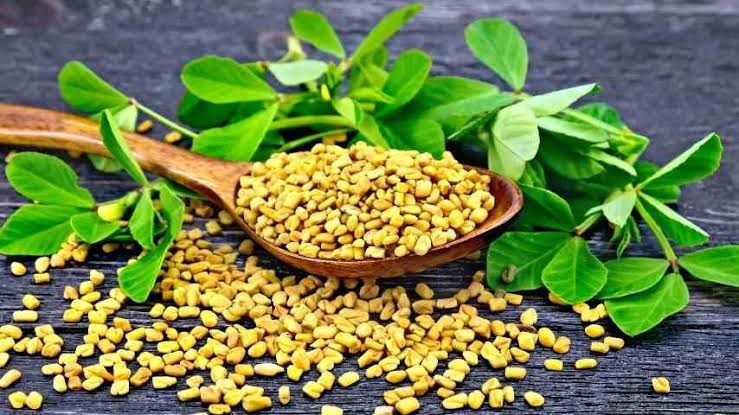
Foenegriek is an herb derived from the plant Trigonella foenum-graecum. It belongs to the legume family and is cultivated in various regions of Asia, the Middle East, and the Mediterranean.
The seeds are the most commonly used part of the plant. They have a slightly bitter taste with sweet notes often compared to maple syrup. Because of this unique flavor, foenegriek is widely used in spice blends, curries, breads, and herbal preparations.
History and Traditional Use
The use of foenegriek dates back thousands of years. Ancient civilizations valued the herb for both culinary and medicinal purposes. Historical records indicate its use in Egypt, Greece, India, and China.
Over time, foenegriek became a staple ingredient in traditional wellness practices. Its long history continues to contribute to its popularity today.
Nutritional Value of Foenegriek
Foenegriek contains a variety of nutrients that contribute to a balanced diet, including:
- Dietary fiber
- Plant-based protein
- Iron
- Magnesium
- Potassium
- B vitamins
- Antioxidants
These nutrients help make foenegriek a valuable addition to many healthy eating plans.
Health Benefits of Foenegriek
Researchers continue to study foenegriek for its potential health-supporting properties. While individual results may vary, several benefits are commonly associated with this herb.
Supports Digestive Health
One of the most recognized benefits is its high fiber content. Fiber plays an important role in maintaining normal digestive function and supporting gut health.
Regular consumption may help promote digestive comfort and contribute to a healthy digestive system.
May Help Maintain Healthy Blood Sugar Levels
Several studies have explored the relationship between foenegriek and blood sugar management. The soluble fiber found in the seeds may help slow carbohydrate digestion and absorption.
Although more research is needed, this remains one of the most discussed areas of interest surrounding foenegriek.
Supports Heart Health
A healthy lifestyle includes proper nutrition, regular exercise, and balanced cholesterol levels. Some research suggests that compounds found may support cardiovascular wellness when combined with healthy habits.
Adding nutrient-rich foods to a balanced diet can contribute to long-term heart health.
Foenegriek for Men and Women
It is often used by both men and women for various wellness goals.
Benefits for Women
Many women in their routines due to its traditional use in supporting overall female wellness. It is frequently found in herbal blends designed for women.
Because individual needs differ, consulting a healthcare professional before taking supplements is always recommended.
Benefits for Men
Interest in it has also increased among men, particularly those involved in fitness and active lifestyles.
Some studies have examined its potential role in supporting physical performance and overall vitality. However, results vary, and more scientific evidence is needed.
Different Ways to Use Foenegriek
One reason for the popularity is its versatility. It can be incorporated into everyday life in several ways.
Tea
Foenegriek tea is made by steeping crushed or whole seeds in hot water. Many people enjoy it as a warm herbal beverage with a distinctive aroma.
Cooking
The seeds and powder can be added to:
- Curries
- Soups
- Stews
- Bread recipes
- Spice blends
This allows individuals to enjoy both flavor and nutritional benefits.
Supplements
Capsules and tablets provide a convenient option for people who prefer a measured daily intake. Always follow the dosage instructions provided by the manufacturer.
Potential Side Effects
Although it is generally considered safe when consumed in moderate amounts, some individuals may experience side effects.
Possible side effects include:
- Digestive discomfort
- Mild bloating
- Diarrhea
- Allergic reactions in sensitive individuals
Pregnant women, people taking medication, or individuals with medical conditions should seek professional advice before using supplements.
How to Choose High-Quality Foenegriek
Not all products offer the same quality. When purchasing it, consider the following factors:
Check Product Purity
Choose products with minimal additives and clear ingredient labels.
Look for Reputable Brands
Established manufacturers often follow strict quality standards and testing procedures.
Review Certifications
Third-party certifications can provide additional confidence regarding product quality and safety.
Tips for Adding it to Your Diet
Incorporating foenegriek into your routine can be simple.
Helpful ideas include:
- Adding ground seeds to smoothies
- Mixing powder into soups
- Brewing herbal tea
- Using it in homemade spice blends
- Taking supplements according to directions
Starting with small amounts can help determine personal tolerance and preference.
Frequently Asked Questions
1. What is foenegriek used for?
Foenegriek is commonly used in cooking, herbal teas, and dietary supplements. Many people consume it for its nutritional value and potential wellness benefits.
2. Is foenegriek the same as fenugreek?
Yes. It is the Dutch name for fenugreek. Both terms refer to the same plant.
3. Can foenegriek be consumed daily?
Many people use it daily in food or supplements. Following recommended serving guidelines is important.
4. Does foenegriek have nutritional benefits?
Yes. It contains fiber, protein, minerals, vitamins, and antioxidants that can contribute to a balanced diet.
5. Are there any side effects?
Some individuals may experience digestive discomfort or allergic reactions. Anyone with health concerns should consult a healthcare professional.
Conclusion
Foenegriek has earned a strong reputation as a versatile herb with a long history of traditional use. Its rich nutritional profile, culinary flexibility, and potential wellness benefits continue to attract attention around the world.
Whether consumed as seeds, powder, tea, or supplements, it can be a valuable addition to a balanced lifestyle when used appropriately. Understanding its benefits, applications, and possible side effects helps consumers make informed choices.
For the best experience, select high-quality products and use them responsibly. Small, consistent changes often contribute most effectively to long-term wellness goals.
You may also like


Leave a Reply