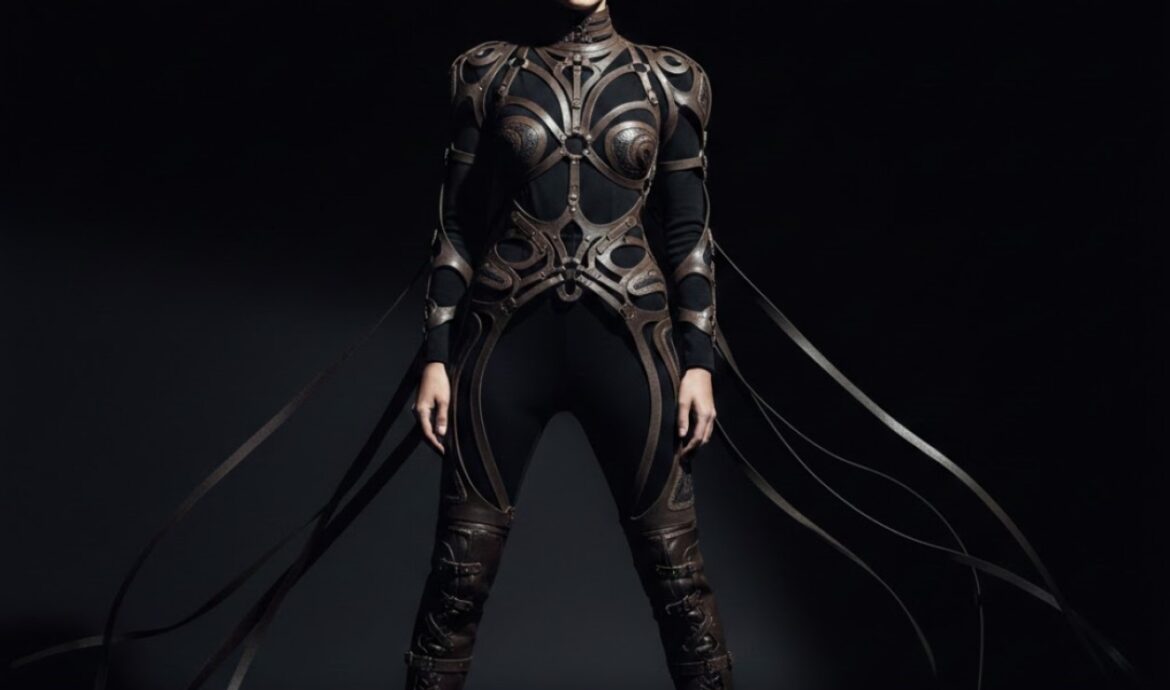
Bondage Clothing: Meaning Origins Styles Materials and Modern
Bondage clothing is a fashion category built around the visual language of straps, harnesses, fastenings, compression, and controlled structure. While the aesthetic is often associated with fetish communities, it has grown far beyond a single environment and today appears in streetwear, couture, music styling, nightlife wardrobes, and experimental art. What makes bondage clothing distinctive is not only the physical presence of belts, rings, buckles, or corsetry but the symbolic suggestion of restraint, authority, vulnerability, and power exchange. Over time these garments have evolved from underground signals into widely interpreted fashion statements that can communicate rebellion, erotic energy, identity exploration, or simply appreciation for bold design. Understanding bondage clothing requires examining history, materials, craft, psychology, and the way subculture innovations filter into everyday wardrobes.
Defining the Bondage Aesthetic
The bondage aesthetic centers on the interplay between restriction and display. Pieces may frame the body with geometric lines, emphasize particular zones, or create tension between exposure and coverage. Harnesses might guide the eye across the torso, corsets reshape posture, and collars or cuffs suggest ritual or belonging. Some garments are functional within intimate practices while others borrow the visual vocabulary without serving practical restraint. Many people engage with the look purely for fashion, detached from sexual meaning. Designers frequently abstract the idea, turning straps into decorative architecture, or reimagining buckles as futuristic ornamentation. The aesthetic can be minimal and elegant or aggressive and industrial depending on materials and styling choices.
Historical Development and Subcultural Roots
Modern recognition of bondage clothing owes much to late twentieth-century underground scenes. Punk movements embraced torn fabrics, straps, and confrontational silhouettes as rejection of polite society. Fetish clubs developed specialized garments engineered for durability and dramatic impact under low light. Leather communities cultivated strict codes where specific items signaled roles or affiliations. As photography, music videos, and alternative magazines circulated these images, curiosity expanded. What began as coded communication within tight circles gradually entered boutiques and later global fashion capitals. Each transition softened some meanings while amplifying others, transforming once private attire into aesthetic inspiration.
From Underground to Runway
When avant-garde designers encountered bondage styling, they recognized its theatrical potential. Strapping could carve new shapes around the body; latex reflected light in sculptural ways; metal hardware added movement and sound. High fashion adapted these ideas, often removing explicit context but keeping visual intensity. Runway interpretations made the look aspirational and artistic, allowing consumers to experiment without necessarily participating in fetish culture. Retail diffusion followed, bringing harness belts, chokers, and corset tops into malls and online shops. The transformation illustrates how fashion continuously recycles subcultural energy into mainstream desire.
Core Garment Categories
Bondage clothing includes several recurring types. Harnesses wrap around shoulders, chest, or thighs to create graphic frameworks. Corsets and waist cinchers reshape silhouettes, highlighting curves or generating dramatic posture. Bodysuits combine stretch fabrics with strategic openings and fastenings. Collars and cuffs can be delicate jewelry or heavy leather statements. Skirts and trousers may incorporate straps that hang freely or connect to other pieces. Dresses might feature lacing systems that run from neckline to hem. Each category allows infinite variation in width, texture, and intent.
Harness Variations
Harness design ranges from simple elastic bands to complex networks of leather. Some emphasize symmetry while others deliberately distort alignment. Minimal chest harnesses can layer over shirts for subtle impact, whereas full body frameworks extend across hips and legs. Designers experiment with detachable components so wearers can shift between day and night expressions. The harness has become one of the most portable elements of the bondage wardrobe because it easily transforms basic clothing into something charged and architectural.
Corsetry and Structured Shaping
Corsets are central to bondage fashion due to their historical association with discipline and transformation. Contemporary versions use spiral steel, plastic boning, or flexible supports. Beyond waist reduction, corsets can function as outerwear, pairing with denim or tailoring. Underbust shapes emphasize bust lines without covering them, while overbust designs create dramatic vertical presence. Lacing itself becomes decoration, offering visual rhythm and a sense of deliberate containment.
Dresses, Tops, and Integrated Pieces
Some garments integrate bondage motifs directly into construction. Straps may replace seams, panels may be joined by rings, and closures become focal points. Cut-outs reveal skin through controlled apertures. Designers frequently play with transparency, layering mesh under rigid frameworks. These hybrids blur the line between lingerie and ready-to-wear, inviting broader audiences into experimentation.
Materials that Define the Look
Material choice is crucial. Leather conveys heritage, durability, and ritual seriousness. Latex and PVC produce shine, evoking futurism and exhibitionism. Metal hardware brings weight and audible presence. Elastic and neoprene offer comfort and sport influence. Vegan alternatives have expanded rapidly, providing similar visual impact while aligning with ethical preferences. Texture contrast—matte versus gloss, soft versus rigid—creates dynamic tension.
Leather Craft and Symbolism
Leather remains iconic because it ages with the wearer. Creases and patina tell stories of use. Craftsmanship involves cutting, edge finishing, riveting, and precise sizing. Heavy hides signal strength; softer skins drape sensually. The smell and feel contribute to sensory experience, making leather more than visual material. For many communities it represents authenticity and respect for tradition.
Latex and High-Gloss Surfaces
Latex offers second-skin fit and dramatic reflection. It requires lubrication for dressing and careful maintenance to prevent degradation. Designers value its ability to exaggerate anatomy and create almost liquid silhouettes. Polishing enhances mirror shine, turning the body into a moving sculpture under lights.
Hardware and Mechanical Detail
Buckles, O-rings, snaps, and zippers operate as both function and decoration. Their placement can guide posture or simply catch attention. Industrial references evoke machinery, reinforcing themes of control. Smaller components like studs or chains add rhythm and movement.
Color Language
Black dominates due to associations with authority and mystery, yet modern bondage fashion experiments widely. Red can signal passion or danger; white introduces purity contrasts; metallics emphasize futurism. Pastels soften intensity, allowing playful interpretations. The expansion of palette has helped integrate the style into broader wardrobes.
Psychological Dimensions
Bondage clothing often triggers emotional responses because it references power dynamics. Some wearers feel empowered by adopting commanding silhouettes; others appreciate vulnerability expressed through exposure. Even when detached from practice, the imagery invites reflection on autonomy and consent. Fashion becomes a stage for exploring identity safely.
Gender Expression and Fluidity
The aesthetic challenges conventional gender norms. Harnesses on suits, corsets on masculine bodies, or heavy boots with delicate dresses disrupt expectations. Many individuals find liberation in garments that resist binary categorization. Designers increasingly create adjustable, unisex constructions to support diverse bodies.
Communication Through Dress
Within certain communities, specific items historically indicated preferences or status. While mainstream adoption has diluted strict codes, the idea that clothing communicates remains influential. People use bondage elements to signal openness, curiosity, or solidarity with alternative lifestyles.
Everyday Adaptation
Not everyone wants extreme presentation. Small accessories—chokers, strap belts, subtle lacing—allow participation without overwhelming contexts like offices or casual gatherings. Layering techniques make garments versatile. A harness worn over a turtleneck becomes graphic rather than erotic.
Styling Techniques
Balancing intensity is key. Pairing strong pieces with simple garments prevents visual overload. Texture coordination can harmonize leather with cotton or denim. Proportion matters: wide straps dominate, thin ones accent. Footwear choices further direct interpretation.
Care and Maintenance
Special materials require attention. Leather benefits from conditioning; latex must avoid oils; metal should stay dry to prevent corrosion. Proper storage extends lifespan and preserves appearance. Many newcomers underestimate upkeep, so education is valuable.
Comfort and Fit
Because many items involve tension, accurate sizing is essential. Adjustable buckles help, but poorly fitted gear can chafe or restrict breathing. Reputable makers provide measurement guidance. Comfort encourages confidence.
Photography and Media Influence
Dramatic imagery has fueled popularity. Stylists use bondage elements to convey intensity quickly. Social platforms amplify visuals, inspiring reinterpretations and DIY experimentation.
Commercial Expansion
As demand increased, brands diversified price ranges. Entry-level fashion pieces coexist with artisan craftsmanship. Mass production has made the look accessible but sometimes sacrifices durability. Consumers navigate trade-offs between affordability and authenticity.
Ethical and Sustainability Questions
Production of leather and synthetic materials raises environmental considerations. Some designers focus on plant-based substitutes or recycled hardware. Transparency about sourcing can differentiate brands.
Intersection with Performance and Music
Stage costumes frequently borrow bondage aesthetics to heighten drama. Movement interacts with straps and chains, making them kinetic elements. Audiences then translate those images into personal style.
DIY Culture
Creative communities often build their own pieces from belts or thrifted materials. DIY allows customization and personal meaning. Tutorials circulate widely, democratizing entry.
Cultural Debate
As the look becomes fashionable, discussions arise about appropriation and dilution of subcultural heritage. Some celebrate visibility; others fear loss of nuance. These tensions shape ongoing evolution.
Retail Experience
Shopping for bondage clothing may involve specialized boutiques or general stores. Knowledgeable staff can provide fit advice and discuss materials. Online retail relies heavily on imagery and reviews.
Inclusivity and Body Diversity
Modern brands increasingly present varied body types, acknowledging that empowerment should not be limited. Adjustable designs support broader participation.
Emotional Empowerment
Many wearers describe increased confidence when garments frame posture and movement. The transformation can feel armor-like, offering psychological protection.
Minimalist Interpretations
Not all bondage fashion is elaborate. Clean lines, limited hardware, and monochrome palettes create sophisticated minimalism that still hints at underlying themes.
Futuristic Directions
Technology may integrate smart materials, magnetic closures, or modular systems. Designers continue pushing boundaries between costume and daily wear.
Community and Education
Workshops and social gatherings provide spaces to learn etiquette, safety, and styling. Respectful engagement strengthens culture.
Myths and Misunderstandings
Outsiders sometimes assume anyone wearing bondage fashion participates in explicit practices. In reality motivations vary widely from aesthetic curiosity to political statement.
Building a Personal Wardrobe
Starting small allows gradual exploration. Investing in versatile foundational items ensures longevity. Quality hardware can elevate simple outfits.
Travel and Public Contexts
Awareness of local attitudes matters. What feels normal in nightlife districts may attract attention elsewhere. Adaptability is useful.
Photography Tips for Individuals
Lighting enhances textures; movement showcases flexibility. Collaboration with photographers can capture artistry beyond shock value.
Future of the Aesthetic
As boundaries blur, bondage clothing will likely continue merging with sportswear, tailoring, and digital culture. Its vocabulary remains powerful because it engages fundamental ideas about control and freedom.
Standing Out with Knowledge
Understanding history, craft, and meaning allows wearers to move beyond imitation. Depth of awareness creates authenticity that resonates more strongly than trend chasing.
Conclusion
Bondage clothing is a multifaceted fashion language born from subculture yet continually reinvented. Its journey from coded attire to global influence demonstrates fashion’s ability to transform meaning while preserving visual power. Whether approached through minimal accessories or elaborate constructions, it offers opportunities for self-expression, dialogue, and artistic exploration. By appreciating materials, origins, and evolving interpretations, individuals can engage with the aesthetic thoughtfully and creatively.
You may also like



Leave a Reply