Introduction to Chao Shan Cuisine
Chao Shan cuisine, known in English at times as “Chaoshan” or Teochew cuisine, is one of the most refined and unique regional food traditions in Chinese culinary culture. Originating from the coastal Chaoshan region of eastern Guangdong Province, this cuisine reflects a deep relationship between people, sea, land, and community traditions. Light, fresh, and delicate in flavour, Chao Shan cuisine stands apart from other Chinese regional styles because of its emphasis on natural tastes, minimal use of heavy sauces, and careful balance of ingredients.
Unlike some cuisines where bold spices take centre stage, Chao Shan cooking focuses on ingredient quality, texture, and subtle flavour enhancement. It’s a cuisine shaped by geography — salt winds, fishing villages, riverine farmlands — and by a culture that prizes refinement, respect for nature, and culinary discipline.
Historical and Cultural Foundations
The Chaoshan region includes three main cities — Chaozhou, Shantou, and Jieyang — and its history dates back over a thousand years. It has long been a crossroads for trade, culture, and migration. This has influenced local eating habits, techniques, and ingredient use in deep ways.
Culturally, Chaoshan people have always valued ceremony, guest‑hosting, and community meals. Traditional rituals, seasonal celebrations, and banquets carry layers of meaning. Foods are not simply sustenance, but symbols of respect, abundance, and shared identity.
The history of migration has also spread Chao Shan cuisine beyond its borders. Chaozhou and Teochew communities in Southeast Asia — especially in Singapore, Malaysia, and Thailand — have preserved and adapted classic dishes. In many overseas Chao Shan enclaves, the cuisine evolved differently, acquiring local twists yet retaining its core principles.
Culinary Philosophy: Lightness, Freshness, Balance
At the heart of Chao Shan cuisine is a philosophy of natural taste. Chefs deliberately avoid strong seasonings that can overpower ingredients. Instead, they use techniques that enhance but never mask the original flavour.
Fresh Ingredients
The freshness of ingredients is essential. Seafood — prawns, oysters, garoupa, pomfret — is often served at its peak, reflecting daily catches from coastal waters. Vegetables are harvested young and bright. Meats are carefully selected for texture and purity.
Simple Seasonings
Chao Shan cooks prefer light seasonings like:
- Sea salt
- Light soy
- Fermented bean products
- Pickled vegetables
- Simple aromatics like ginger and scallion
Strong chilli and heavy sauces like black bean or thick hoisin are rarely dominant.
Cooking Techniques That Preserve Purity
The most common techniques include:
- Steaming: Preserves moisture and pure taste.
- Poaching: Especially for seafood and poultry.
- Quick stir‑frying: For vegetables and delicate proteins.
- Braising: Slow, with light broth rather than heavy gravy.
This results in dishes with a transparent clarity of flavour — soft, clean, and deeply satisfying.
Signature Dishes of Chao Shan Cuisine
Here are some iconic dishes that define the cuisine and illustrate its principles.
Braised Goose
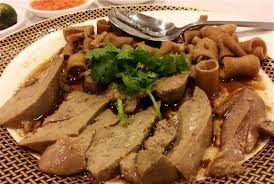
Braised goose is a proud highlight. The bird is slowly cooked in a seasoned broth until tender, while preserving that subtle natural taste. The light, savoury sauce penetrates but does not overwhelm. Slices of braised goose are often paired with thin rice noodles or steamed buns.
Oyster Omelette
This beloved dish combines fresh oysters, eggs, and a minimal starch binder to create a soft, slightly chewy texture. A simple garlic‑soy dipping sauce accompanies it. Unlike versions in other regions, the Chao Shan oyster omelette places emphasis on the freshness of the shellfish rather than crispy batter.
Beef Hotpot
This is not the fiery broth‑heavy hotpot seen elsewhere in China. Chao Shan hotpot uses a clear, delicate broth in which thin slices of beef or seafood are quickly cooked and dipped in light sauces. Accompaniments often include mushrooms, tofu, and fresh greens.
Cold Crab with Chili and Lime
A celebrated summer dish, cold crab highlights the natural sweetness of the shellfish. A light dressing made of lime, fresh chilli, and garlic brings a tangy freshness that enhances, rather than hides, the crab’s flavour.
Fish Ball Soup
A comfort classic, fish balls are made from freshly minced fish, formed into soft, springy spheres, and served in a clear broth with greens and rice noodles. The simplicity and purity of taste reflect Chao Shan’s culinary ideals.
Taro Paste
An example of sweet tradition, taro paste is a smooth, creamy dessert made from slow‑cooked taro, sweetened just enough to accentuate its earthy flavour.
Techniques and Tools Unique to Chao Shan
Understanding Chao Shan cuisine also means looking at the tools and preparations that support its principles.
Double‑Boiling
Double‑boiling is a slow method that gently extracts flavour without agitation or harsh heat. It’s used in soups, broths, and delicate dishes like herbal infusions. The result is clear, aromatic, and deeply balanced.
Clay Pot Cooking
Clay pot stews allow heat to be distributed evenly and slowly. Vegetables, meats, or seafood are cooked together until the flavours naturally meld.
Fresh Chili Pickling
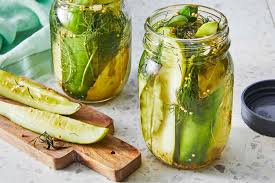
Most Chao Shan households maintain small batches of pickled chilies that are not overly fermented or pungent. These milder chilies add brightness without heavy heat, preserving balance.
Regional Variations and Diaspora Influences
While the core of Chao Shan cuisine remains anchored in its birthplace, regional and overseas variations add rich diversity.
Chao Shan in Southeast Asia
In Singapore and Malaysia, Teochew food retains the classic principles but adapts to local ingredients and tastes. For example:
- Teochew porridge becomes a beloved staple paired with many small side dishes.
- Char‑siew seasoning may be slightly sweeter.
- Sambal and local spices appear as optional condiments rather than core seasonings.
These adaptations demonstrate how Chao Shan cuisine can integrate without losing identity.
Pairing and Meal Structures
Chao Shan meals are often shared, with multiple small plates and communal dishes. A typical meal might begin with cold appetizers — pickled vegetables, braised meats — followed by steamed seafood, vegetable dishes, and finishing with warm soups. Light desserts and tea accompany the close.
Tea drinking is integral. Chao Shan people enjoy strong, fragrant teas served in small pots. Tea cleanses the palate and complements the delicate flavours of the food.
Common Misconceptions
There are a few misunderstandings about Chao Shan cuisine that are worth clarifying.
It’s Not Bland
Although lighter in seasoning than, say, Sichuan or Hunan food, Chao Shan cuisine is rich in texture and layered with subtlety. The flavour may be gentle, but it is profound, balanced, and purposeful.
It’s More Than Seafood
Because the region is coastal, seafood plays a big role. However, the cuisine also includes excellent poultry, pork, vegetables, and starches. Chao Shan peasants and farmers contributed equally to its development.
It’s Not Just for Special Occasions
While elaborate Chao Shan banquets exist, everyday family meals are just as important. Home cooking follows the same principles — freshness, simplicity, respect for raw ingredients.
Why Chao Shan Cuisine Matters Today
In a global era of bold fusion and fast flavours, Chao Shan cuisine remains a sanctuary of culinary precision and restraint. Chefs and food lovers increasingly admire it because of:
- Its celebration of pure, unmasked ingredients
- Its ability to balance tradition with innovation
- Its cultural role in community, hospitality, and identity
For those seeking clarity of taste and harmony of flavours, Chao Shan cuisine offers depth without heaviness and tradition without stiffness.
How to Experience Chao Shan Cuisine
To truly understand this cuisine, one can:
- Visit the Chaoshan region in China to eat at local family houses and traditional teahouses.
- Find authentic Teochew restaurants in Southeast Asian cities where diaspora communities have preserved classic methods.
- Try cooking key dishes at home using fresh seafood and simple techniques.
Exploration of this cuisine rewards patience and curiosity. It invites you to slow down, savour natural tastes, and appreciate the quiet beauty of balance.
Conclusion
Chao Shan cuisine is a living testament to how culture, geography, and tradition shape food. Its core values — freshness, light seasoning, careful technique, and respect for ingredients — offer a unique dining experience. Whether enjoyed in an ocean‑front teahouse or recreated in your kitchen, Chao Shan cuisine stands as a refined expression of culinary art that goes beyond mere nourishment.
You may also like
Leave a Reply