Dik Dik for Sale: Complete Advanced Guide to Legal.
The phrase “dik dik for sale” attracts a very specific type of curiosity. Some searchers are collectors looking for taxidermy skulls or shoulder mounts. Others are exotic animal enthusiasts wondering whether they can legally purchase and keep a live dik-dik. A smaller segment may simply be researching the species after discovering how small and distinctive these antelope are. Whatever the motivation, the topic involves far more complexity than a simple buy-and-sell transaction. Dik-diks are small African antelope belonging to the genus Madoqua. The most recognized species in trade discussions include Kirk’s dik-dik and Günther’s dik-dik. Their tiny size, large eyes, elongated snouts, and monogamous pairing behavior make them unique among antelope species. However, buying, selling, transporting, or even possessing a dik-dik—whether live or preserved—requires careful attention to legality, ethics, welfare, conservation status, and long-term responsibility. This comprehensive guide explores every dimension of the dik-dik market, including live animal acquisition, taxidermy trade, regulatory frameworks, enclosure design, feeding programs, veterinary challenges, transportation logistics, breeding realities, conservation implications, and long-term financial commitment.
Understanding the Dik-Dik Species and Biological Profile
4
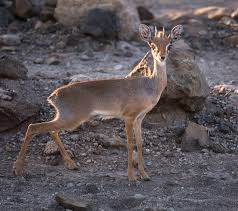
Dik-diks are among the smallest antelope species in Africa. Adult individuals typically stand about 30 to 40 centimeters at the shoulder and weigh between 3 to 6 kilograms depending on species and sex. They are primarily found in Eastern and Southern Africa, occupying arid bushlands, scrub habitats, and lightly wooded savannahs. Their elongated snout houses a specialized nasal chamber used for thermoregulation, helping them survive in hot climates. Unlike herd-based antelope, dik-diks are territorial and usually form monogamous pairs. Males defend small territories and use scent glands near their eyes to mark boundaries. This territorial behavior has direct implications for captivity and enclosure design. Their diet consists primarily of leaves, shoots, fruits, and tender vegetation rather than grass. They are selective browsers, meaning they require a diverse plant diet to maintain digestive health. Understanding these biological foundations is critical before exploring ownership possibilities.
Legal Considerations Before Any Purchase
Owning a dik-dik is not equivalent to owning a domesticated goat or deer. Wildlife regulations vary significantly across countries and sometimes even across states or provinces within a country. Many African antelope species are protected under international agreements regulating wildlife trade. Permits may be required for export from origin countries, import into destination countries, and transport across internal borders. Potential owners must verify whether the species is listed under international trade regulations and whether captive-bred individuals are treated differently from wild-caught animals. In many jurisdictions, private ownership of exotic hoofstock requires special licensing, inspections, veterinary oversight, and proof of appropriate enclosures. Failure to comply with regulations can result in seizure of the animal, fines, or criminal charges. Even taxidermy items may require documentation proving lawful origin and import clearance. Responsible buyers always consult wildlife authorities before committing to any transaction.
Live Dik-Dik for Sale: Market Reality
The availability of live dik-diks on the open market is extremely limited. Unlike common exotic hoofstock such as fallow deer or certain antelope species bred in ranching operations, dik-diks are less frequently offered. When they do appear in specialized auctions or private breeder networks, they are typically captive-bred individuals. Prices vary depending on species, sex, age, and geographic location. Costs may range from several thousand dollars to significantly higher figures when transport, permits, and veterinary certifications are included. Buyers must also factor in enclosure construction, ongoing feeding expenses, veterinary care, and potential breeding partner acquisition. Because dik-diks are territorial and monogamous, keeping a compatible pair is often necessary for psychological well-being. Single housing may result in stress-related health issues. Market fluctuations are influenced by breeding success rates and regulatory tightening.
Taxidermy and Skull Sales
4
A significant portion of search results for dik-dik sales relates to taxidermy items rather than live animals. These may include cleaned skulls with intact horns, shoulder mounts, or full-body mounts. Pricing for skulls typically falls into a lower range compared to mounted specimens. Shoulder mounts can vary widely depending on craftsmanship quality, preservation condition, and aesthetic presentation. Buyers of taxidermy pieces should request documentation verifying legal import and compliance with wildlife trade regulations. Poor preservation techniques can result in cracking, odor issues, or insect infestation over time. Professional taxidermy studios follow preservation protocols including dermestid beetle cleaning, degreasing processes, and structural reinforcement of horns. Collectors often value dik-dik mounts for their unusual size and delicate facial features.
Habitat and Enclosure Requirements for Live Ownership
Providing adequate housing for a dik-dik is not simple. Enclosures must replicate natural habitat conditions including shelter, browsing vegetation, shade structures, and secure fencing. Dik-diks are agile and capable of slipping through small gaps, so fencing mesh must be fine and properly anchored. Because they are sensitive to cold temperatures, owners in non-tropical climates must provide heated indoor shelters during winter. Flooring should allow natural hoof wear and prevent joint stress. Overly smooth surfaces can cause slipping injuries. Shelter areas must protect from wind, excessive moisture, and predators. Enclosures should provide visual barriers to reduce stress from nearby animals or human traffic. Territorial behavior requires careful planning when housing multiple pairs.
Nutrition and Feeding Programs
Dik-diks are browsers rather than grazers. Feeding them a diet designed for grazing antelope can lead to digestive imbalance. A proper diet includes leafy branches, shrubs, vegetables, specialized pelleted browse feed formulated for small antelope, and mineral supplementation. Fresh water must always be available, though dik-diks can survive on minimal free water in natural habitats due to moisture-rich browse. In captivity, dehydration risk increases if browse diversity is insufficient. Feeding schedules should mimic natural grazing patterns with multiple small feeding sessions rather than one large feeding. Sudden diet changes may cause ruminal acidosis or digestive stress. Veterinary consultation with professionals experienced in exotic hoofstock nutrition is essential.
Veterinary Care and Health Management
Exotic hoofstock require specialized veterinary oversight. Routine procedures include parasite control, hoof trimming if natural wear is inadequate, dental checks, and vaccination where applicable. Stress is a major health risk for dik-diks. Capture and restraint must be minimized. Chemical immobilization carries risk due to their small body mass and high metabolic rate. Owners must establish relationships with veterinarians experienced in antelope or zoo species. Quarantine protocols should be followed for newly acquired animals to prevent disease transmission. Common health concerns include parasitic infections, nutritional deficiencies, respiratory infections in cold climates, and trauma injuries from enclosure accidents.
Behavioral Considerations and Social Structure
Dik-diks form strong pair bonds. Separating established pairs can cause severe stress. Males defend territory using scent glands and may exhibit aggression toward unfamiliar individuals. Introducing new individuals requires gradual acclimation with visual separation before physical contact. Overcrowding leads to heightened aggression and potential injury. Enrichment strategies include providing natural browse, hiding food items, and environmental complexity that stimulates exploration. Human interaction should be minimal and calm. Dik-diks are prey animals with heightened alertness, so loud noises and frequent disturbances negatively impact welfare.
Breeding in Captivity
Breeding dik-diks requires compatible pairs and stable conditions. Gestation typically lasts around six months, and offspring are usually single births. Calves are hidden for the first weeks of life. Adequate secluded areas must be available for birthing. Improper enclosure design can lead to calf injury or maternal stress. Breeding programs in accredited zoological institutions focus on maintaining genetic diversity. Private breeding without coordinated record-keeping can reduce genetic health. Responsible breeding involves tracking lineage, avoiding inbreeding, and ensuring offspring have appropriate placements.
Transportation and Import Logistics
Transporting live dik-diks across regions requires compliance with animal welfare transport regulations. Specialized crates must provide ventilation, stability, and protection from injury. Temperature control is critical. Pre-transport veterinary examinations and health certificates are usually mandatory. International shipments require export permits from origin countries and import clearance from destination authorities. Transport stress can result in dehydration, injury, or mortality if not carefully managed. Professional wildlife transport companies are typically involved in cross-border movement.
Conservation Status and Ethical Responsibility
4
Dik-diks are not currently classified among the most critically endangered antelope, but habitat loss, hunting, and ecosystem changes can affect localized populations. Ethical ownership involves verifying that individuals are captive-bred rather than illegally sourced from wild populations. Supporting responsible breeding programs contributes to conservation awareness. Buyers should prioritize transparency in sourcing. Wildlife trade that lacks documentation can negatively impact wild populations. Conservation-minded owners may participate in species survival plans or collaborate with accredited zoological networks.
Financial Commitment Breakdown
Initial purchase price is only the beginning. Prospective owners should calculate enclosure construction costs, heating systems, fencing materials, veterinary care, feed supply, permits, insurance, and contingency emergency funds. Annual maintenance may reach significant amounts depending on location and climate. Unexpected veterinary interventions can be costly. Financial planning must consider the lifespan of dik-diks, which can exceed ten years in captivity with proper care.
Comparing Live Ownership vs Taxidermy Collection
Live ownership requires daily care, legal compliance, and long-term commitment. Taxidermy collection involves aesthetic preservation but still requires documentation and ethical sourcing verification. Some collectors prefer skull specimens due to lower maintenance. Others appreciate full shoulder mounts as decorative pieces representing African wildlife heritage. Each path involves responsibilities, though the scale differs significantly.
Risk Assessment and Liability
Exotic animal ownership may increase liability risks. Insurance providers may require special policies. Injury to visitors, escape incidents, or property damage can result in legal consequences. Fencing integrity and safety planning are non-negotiable. Even small antelope can injure themselves during panic responses, leading to welfare concerns and financial cost.
Market Trends and Availability Patterns
Availability of dik-diks fluctuates. Breeding success rates, regulatory changes, and transport restrictions influence supply. In some regions, ownership restrictions are tightening, reducing market listings. Online platforms may show outdated or misleading listings. Buyers must verify authenticity and avoid scams. Transparent sellers provide veterinary documentation, photos of facilities, and verifiable licensing information.
Ethical Debate Surrounding Exotic Ownership
Exotic animal ownership remains controversial. Advocates argue that responsible private ownership can support conservation through captive breeding and education. Critics argue that wildlife belongs in natural habitats or accredited institutions. Ethical decision-making requires honest evaluation of motives, capacity, and long-term welfare commitment. Owning a dik-dik should never be an impulse decision driven by novelty.
Frequently Asked Considerations
Can dik-diks adapt to cold climates with heating? Yes, but constant environmental control is required. Are they suitable as pets in suburban settings? In most cases, zoning laws and space requirements make this impractical. Is breeding profitable? Breeding profitability is unpredictable and highly dependent on regulatory and market conditions. Do they bond with humans? They remain wild animals and do not display domesticated behavior patterns.
Long-Term Welfare Planning
Owners must plan for contingencies such as relocation, illness, or inability to continue care. Rehoming exotic hoofstock can be difficult due to limited facilities equipped for proper housing. Establishing relationships with zoological institutions or licensed sanctuaries in advance provides a safety net.
Responsible Decision Framework
Before pursuing a dik-dik purchase, potential buyers should complete a structured evaluation including legal review, enclosure planning, veterinary consultation, financial projection, ethical sourcing verification, and long-term welfare planning. If any category reveals uncertainty or inability to comply, reconsideration is appropriate.
Final Perspective on Dik Dik for Sale
The phrase “dik dik for sale” may seem simple, but the reality involves complex layers of legality, welfare, conservation, and financial responsibility. Whether considering live acquisition or taxidermy collection, informed decisions protect both the buyer and the species. Dik-diks are remarkable small antelope adapted to African ecosystems through specialized physiology and social behavior. Respecting that uniqueness requires more than purchase power. It requires preparation, compliance, ethical awareness, and a genuine commitment to responsible stewardship.
You may also like


Leave a Reply