Gyu Katsu Motomura: A Complete Guide to One of Tokyo’s
Gyu Katsu Motomura has become one of the most talked‑about culinary experiences in Tokyo for both travelers and local food lovers. Famous for its deep‑fried beef cutlets served with an interactive grilling experience on hot stones, this restaurant combines high‑quality beef with simple yet bold flavors that keep diners coming back for more. In this comprehensive guide, you will find everything from the origins and menu breakdown to advanced tips, comparisons, and dining strategies.
What Is Gyu Katsu?
Gyu Katsu is a Japanese dish that takes the concept of tonkatsu (pork cutlet) and elevates it by using beef instead of pork. Gyu means beef in Japanese, and katsu refers to a breaded and fried cutlet. What makes gyu katsu unique is that the beef is typically cooked rare inside a crunchy breadcrumb exterior, and then finished to your liking on a small hot stone grill provided at the table.
The experience blends texture contrast—crispy outside, tender and juicy inside—with interactive dining, where diners control the final doneness. This dynamic eating style sets gyu katsu apart from traditional Japanese beef dishes such as steak or yakiniku.
The Story Behind Motomura
Gyu Katsu Motomura started in Tokyo and quickly gained popularity for its consistent quality, approachable pricing, and unique interactive presentation. Unlike high‑end steak houses where expensive cuts are expected, Motomura focuses on delivering great flavor and an enjoyable dining experience without intimidating price tags. Over time, this approach helped the restaurant grow into multiple branches across Tokyo and other cities, attracting both international visitors and locals.
Signature Dish: What to Expect
The Standard Set
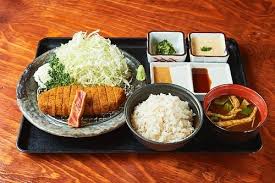
The most popular order at Gyu Katsu Motomura is the Gyu Katsu Set which typically includes:
• A generous portion of gyu katsu slices
• Barley rice (mugi gohan)
• Cabbage salad
• Miso soup
• Pickles
• A hot stone grill plate
The arrangement lets you dip and cook each slice to your preferred level of doneness. Many diners enjoy a mix—seared on the outside, pink and tender inside.
Cooking Method
Gyu katsu arrives already fried to a rare or medium‑rare state. The hot stone grill enables you to sear each piece further, allowing control of texture and temperature. This added step turns an ordinary meal into an interactive experience.
Sauces and Condiments
Common accompaniments include:
• Tonkatsu sauce (a rich, slightly sweet brown sauce)
• Wasabi or mustard for heat
• Soy sauce variations for depth
• Sea salt for simplicity
Some branches also offer grated daikon or citrus‑based sauces to brighten flavors. Experimenting with sauces enhances the eating experience, and different combinations complement the beef’s richness.
Menu Breakdown and Pricing
Below is a typical breakdown you might find at Motomura (note: actual items and prices may vary by location):
Recommended Orders
• Standard Gyukatsu Set – Ideal for first‑timers.
• Large Portion Set – More generous serving for hearty diners.
• Special Cuts – Some branches offer thicker cuts or marbled beef versions.
• Side Dishes – Rice refills, extra cabbage, miso soup upgrades.
Beverage Pairings
While Motomura isn’t a drink bar, common pairings include:
• Green tea (hot or iced)
• Barley tea (mugicha)
• Soft drinks such as oolong tea or cola
Alcoholic options may be limited in some branches but can include beer or sake where permitted.
Best Branches and Locations
Motomura has several branches primarily in Tokyo. Popular areas include:
• Shibuya – Busy, young crowd, easy access from major stations.
• Shinjuku – Convenient for travelers and night visitors.
• Harajuku – Stylish neighborhood with vibrant food culture.
• Ikebukuro or Ginza – Offers slightly different crowd dynamics and quieter service.
Some branches have longer queues than others. Shinjuku and Shibuya locations often have the longest waits during peak lunch and dinner hours. If you prefer shorter waits, aim for midday or early evening.
How to Eat Gyu Katsu Like a Pro
Step‑by‑Step Guide
- Taste the first piece without grilling to appreciate the chef’s initial preparation.
- Heat your stone grill to a sear‑ready temperature. Most tables include simple instructions.
- Sear each slice briefly on each side to your preference (about 5–10 seconds per side).
- Add sauce or condiments after searing to adjust heat and flavor.
- Mix with rice and cabbage between bites to balance richness.
Sauce Pairing Tips
• If you enjoy bold, rich flavors, start with tonkatsu sauce.
• Wasabi adds a sharp contrast that cuts through fat.
• Sea salt allows the natural beef flavor to shine.
Texture and Flavor Experience
Gyu katsu is celebrated for its:
• Crispy exterior – A golden crust that holds juiciness.
• Tender interior – Soft, pink center with beefy richness.
• Balanced umami – Amplified with dipping sauces.
• Interactive feel – Personal control over final sear.
This combination creates a multi‑textural experience that keeps diners engaged throughout the meal.
Comparison with Other Japanese Beef Dishes
Understanding how gyu katsu differs from other beef dishes helps appreciate its place in Japanese cuisine.
Gyu Katsu vs. Steak
Steak focuses on pure beef flavor with minimal breading, usually served pre‑cooked to preferred doneness. Gyu katsu adds breading and interactive grilling for added texture and experience.
Gyu Katsu vs. Yakiniku
Yakiniku involves grilling bite‑sized meat pieces over an open flame at the table. Gyu katsu uses a single cutlet and offers a controlled sear on a hot stone rather than flame grilling.
Gyu Katsu vs. Tonkatsu
Tonkatsu uses pork cutlet. Gyu katsu swaps the protein for beef and often keeps the interior rare or medium‑rare.
Dining Tips and Practical Advice
Best Times to Visit
• Weekdays before lunch rush (11:00–11:30)
• Mid‑afternoon hours (14:30–16:30)
• Weekday evenings right at opening time
Peak dinner times (18:00–20:00) usually have longest waits.
Queue Management
Many branches operate on a first‑come, first‑served basis. Some locations issue queue tickets or numbers to help organize waits.
Language Tips
Menu boards and staff may not speak fluent English in every branch. Knowing basic words like “gyu katsu set” or using menu photos helps ease ordering.
How to Avoid Overcrowding
Consider visiting off‑peak days (Tuesday–Thursday). Avoid weekends and national holidays if you want a quieter experience.
Accessibility and Dietary Considerations
While Motomura primarily serves beef, here are a few pointers:
• Vegetarians and vegans – This restaurant focuses on beef; vegetarian options are extremely limited.
• Food allergies – Breaded beef, miso, and sauces may contain gluten, soy, or dairy. Ask staff if you have specific allergies.
• Non‑beef eaters – Rare to find alternatives; alternative restaurants may be a better choice.
Common Misconceptions About Gyu Katsu
“It’s Just Fried Beef”
Some assume gyu katsu is ordinary fried food. In reality, it’s a carefully balanced experience of texture, temperature, and flavor control.
“All Branches Taste the Same”
While the core experience is consistent, differences in beef cut, service style, and wait times can significantly influence your perception.
Why Motomura Is Worth Visiting
Gyu Katsu Motomura is more than a restaurant—it’s an experience that bridges high‑quality beef with an interactive passion for food. The thoughtful combination of crispy crust, tender center, and personalized grilling makes it a must‑try for anyone visiting Tokyo’s food scene. Whether you’re a first‑timer or a repeat visitor, the ritual of searing your own beef cutlet elevates dining beyond mere taste.
Conclusion
Gyu Katsu Motomura stands out in Tokyo’s culinary landscape by delivering a unique beef cutlet experience rooted in simplicity, quality, and interactivity. From its signature dishes and sauce pairings to best visit strategies and comparisons with other Japanese beef options, this guide offers everything you need to enjoy a memorable dining experience. Plan your visit wisely, savor each bite, and don’t miss the chance to experience one of Japan’s most engaging comfort foods.
You may also like
Leave a Reply