Gyukatsu Motomura: The Complete Insider’s Guide
Gyukatsu Motomura is one of Japan’s most talked‑about culinary experiences — a beef cutlet restaurant that has captivated locals and global travelers alike. What makes it special isn’t just the crispy exterior or juicy beef, but the interactive way you enjoy your meal. This guide breaks down everything from the history and cooking science to menus, ordering tips, branch differences, and how to get the best experience possible.
What Is Gyukatsu Motomura?
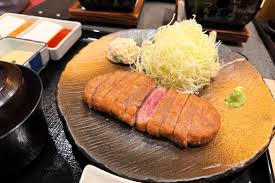
Gyukatsu Motomura is a Japanese eatery specializing in gyukatsu, a breaded and deep‑fried beef cutlet that you cook at your table using a hot stone grill. Unlike traditional tonkatsu (which uses pork), gyukatsu uses premium cuts of beef, giving the dish a unique texture and flavor profile.
The core idea is simple — crispy golden coating, rare juicy beef inside, and a hands‑on grilling experience that lets each diner cook their meat to their preferred doneness. This combination of quality ingredients and interactive dining has made Motomura iconic.
Origins and Culinary Background
While tonkatsu has been popular in Japan since the 19th century, gyukatsu is a more recent innovation. It emerged in the early 2000s in Tokyo as chefs began experimenting with beef as an alternative to pork. Motomura opened its first restaurant with a clear concept: celebrate premium beef in a new format that preserves its tenderness while giving it the satisfying crunch of breaded cutlets.
The name Motomura now represents this modern twist on deep‑fried meat — simple ingredients elevated through careful technique.
The Science Behind Gyukatsu’s Texture and Flavor
Understanding why gyukatsu is so satisfying comes down to three main elements:
Premium Beef Cut
Gyukatsu uses middle or higher quality beef, often from sirloin or tenderloin cuts. This beef has a tighter grain and less connective tissue compared to pork, meaning it stays tender even when fried.
Breading and Frying
The coating uses panko breadcrumbs, which are larger and flakier than Western breadcrumbs. When fried at the right temperature, panko creates a crisp shell without absorbing too much oil. The beef inside remains succulent and slightly rare.
Table‑Top Grilling
Rather than serving the cutlet fully cooked, Motomura brings a hot stone (usually volcanic rock heated to very high temperatures) to your table. You then sear the gyukatsu pieces briefly on each side, locking in heat while avoiding overcooking the interior.
The result is an interplay of textures — crackling crust, warm rare center, and a depth of beef flavor enhanced by quick searing.
How the Dining Experience Works
Dining at Gyukatsu Motomura is structured but informal:
- Queue and Seating
Depending on the branch and time of day, expect a lineup. Most outlets operate on a first‑come, first‑served basis with no reservations. - Menu Selection
You choose the set based on portion size: typical options include 130g, 195g, or 260g of beef cutlet. Each set comes with rice, miso soup, shredded cabbage, and pickles. - Arrival of Food
Your gyukatsu arrives pre‑breaded and fried but not fully cooked. Alongside, you receive a hot stone for grilling, sauces, and garnish. - Interactive Cooking
You briefly sear each slice on the stone — typically 20‑40 seconds per side depending on your preference. This lets you keep the center rare or cook it closer to medium. - Flavoring and Dipping
Sauces range from traditional tonkatsu sauce to wasabi and soy blends. The idea is to tailor each bite to your taste.
This process makes the meal both social and personal — you control the final texture of your food.
Menu Breakdown and Pricing Insights
Menus at Motomura are simple, with a focus on quality over variety:
- Standard Gyukatsu Set (130g)
A good size for first‑timers and lighter appetites. - Mid‑Size Gyukatsu Set (195g)
Ideal for most diners; balanced portion with sides. - Large Gyukatsu Set (260g)
Best choice if you’re hungry or sharing with a partner.
All sets include:
- Steamed rice (refills available at some locations)
- Miso soup
- Shredded cabbage
- Pickles
- Sauces (tonkatsu, salt, wasabi mix)
Despite variations in city location, prices remain reasonable relative to portion size and quality. The focus isn’t on up‑selling trinkets or unnecessary extras — it’s a no‑nonsense meal built around world‑class beef.
Branch Comparisons: What to Expect
Motomura has multiple outlets in Tokyo, Osaka, and other cities. While the core menu and experience are consistent, there are subtle differences worth knowing:
Tokyo Branches
- Often have longer queues due to tourist traffic.
- Interior spaces are typically smaller and more compact.
- Best times to visit are early lunch (11:00–11:45) and mid‑afternoon (14:00–16:30).
Osaka Branches
- Slightly more relaxed lines outside peak travel seasons.
- Some outlets offer seasonal variations or regional sauces.
In all branches, there is a communal energy — diners sharing tables, grilling side by side, and enjoying the interactive cooking.
Best Practices for Visiting
Timing Your Visit
- Avoid lunch peak (12:00–13:30) and dinner rush (18:00–20:00).
- Weekdays usually have shorter lines than weekends.
- Some branches offer priority seating shortly after opening.
Seating and Queue Tips
- Solo diners may get seated faster since individual seats are easy to fill.
- If dining in a group, arrive early or be prepared to split up at the counter.
Ordering Tips
- If unsure, start with the mid‑size set (195g).
- Ask for a little extra cabbage if you prefer more greens.
- Use all sauces provided — many seasoned diners enjoy small amounts of wasabi with beef.
Advanced Flavor Pairings
Gyukatsu Motomura’s flavors are simple but deep. Here are ways to enhance the experience:
- Rice Texture Matters
Slightly warm and fluffy rice contrasts with the crunchy cutlet. - Layering Sauces
Try light salt first, then a dab of wasabi + soy for the second round. - Vegetable Reset
Take a bite of shredded cabbage between pieces — it refreshes your palate.
Common Mistakes First‑Timers Make
- Overcooking the Beef
The stone is very hot — sear quickly! Overcooking kills the tenderness. - Waiting Too Long
Many patrons wait in line for over an hour without planning. Arrive early. - Skipping Sauces
The chef‑blended sauces are crafted to enhance, not mask, the beef.
Why Gyukatsu Motomura Is Worth It
This experience isn’t just about eating — it’s about participation. The fun comes from controlling your own heat, discovering how different searing times affect texture, and savoring every layer of flavor from the moment it hits your plate to your last bite.
People return not just for the food but for the ritual — and that’s why Motomura remains a standout even in a city filled with amazing restaurants.
Final Tips to Stand Out on Your Visit
- Go with hungry friends who enjoy sharing tips and tasting together.
- Take photos of your grilling process (it’s a great social media moment).
- Ask staff for recommended searing time if you want it perfect.
Conclusion
Gyukatsu Motomura is more than a restaurant — it’s a culinary experience built on quality ingredients, interactive dining, and simple yet powerful techniques. From the moment you queue to the last bite of beef, every step is thoughtful and engaging.
Whether you’re a food lover chasing the best of Japan’s modern classics or a curious traveler looking for something memorable, Motomura delivers. Use this guide to navigate menus, make smart timing choices, and enjoy your gyukatsu like a pro.
You may also like
Leave a Reply