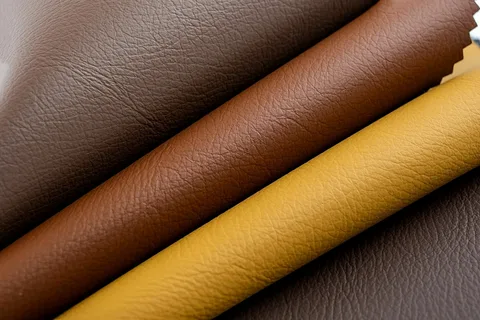
Leatherette Sheets – Complete Advanced Guide for Buyers.
Leatherette sheets have become one of the most versatile and widely used synthetic materials across furniture, automotive interiors, fashion accessories, commercial upholstery, and interior décor. Despite their popularity, most people only understand them at a surface level. They know leatherette looks like leather and costs less, but they rarely understand how it is constructed, how different types perform, how durability varies by thickness, how backing materials influence lifespan, or how climate affects performance. This comprehensive guide explores leatherette sheets from a technical, practical, and strategic buying perspective so you can make informed decisions whether you are a homeowner, upholstery professional, interior designer, automotive restorer, or commercial buyer.
What Are Leatherette Sheets
Leatherette sheets are synthetic materials engineered to replicate the appearance, texture, and in some cases the tactile feel of genuine leather. They are typically manufactured using a fabric base layer that is coated with a polymer compound such as polyurethane or polyvinyl chloride. The surface layer is then embossed with a grain pattern to simulate natural leather textures. Unlike genuine leather, which comes from animal hide and undergoes tanning processes, leatherette is fully synthetic and designed for uniformity, scalability, and cost efficiency.
Leatherette sheets are sold in flat rolls or cut sheets in varying thicknesses, textures, and backing materials. They are used in upholstery projects, wall paneling, automotive seats, decorative panels, headboards, handbags, commercial seating, and protective coverings. Because they are manufactured rather than naturally sourced, they offer consistency in color, pattern, and performance characteristics.
Core Construction Layers of Leatherette Sheets
Understanding the layered structure of leatherette is critical when evaluating quality. Most leatherette sheets consist of three primary layers. The top layer is the protective coating and grain layer. This layer is embossed to create a realistic leather pattern and often treated for stain resistance, UV resistance, or scratch protection. The middle layer is the polymer coating which provides the leather-like flexibility and durability. This layer determines softness, elasticity, and resistance to cracking. The bottom layer is the backing fabric which provides structural support and influences tear strength and stretch resistance.
The backing material may be woven polyester, nonwoven fabric, microfiber blend, or cotton blend. Higher quality leatherette sheets often use reinforced woven backing for durability in high traffic environments. Lower cost versions may use thin nonwoven backing that reduces lifespan.
Types of Leatherette Sheets Based on Polymer Technology
Polyurethane leatherette is one of the most common types. It is softer, more flexible, and typically more breathable compared to PVC variants. It is often preferred for furniture and automotive interiors where comfort is important. Polyvinyl chloride leatherette is generally thicker and more rigid. It offers excellent water resistance and is often used in commercial applications or marine upholstery. Hybrid leatherette blends combine properties of both polymers to balance flexibility and durability.
Each type has unique performance characteristics. Polyurethane tends to resist cracking better in moderate climates. PVC performs well in high moisture conditions but may become stiff in cold temperatures. Selecting the right type depends heavily on intended usage and environmental exposure.
Thickness Variations and Their Performance Impact
Leatherette sheets are available in various thicknesses typically measured in millimeters. Thin sheets around 0.6mm to 0.8mm are commonly used for fashion accessories, decorative panels, and lightweight upholstery. Medium thickness sheets ranging from 0.9mm to 1.2mm are suitable for home furniture such as dining chairs and headboards. Heavy duty sheets above 1.2mm are often selected for commercial seating, automotive interiors, and high traffic environments.
Thickness directly impacts abrasion resistance, puncture resistance, and overall lifespan. Thicker sheets generally withstand more wear but may be slightly less flexible. Professionals should always match thickness to application rather than assuming thicker is automatically better.
Performance Metrics That Matter When Choosing Leatherette Sheets
Abrasion resistance is a key durability indicator. This measures how many cycles of friction the material can withstand before showing visible wear. High quality leatherette for commercial use may endure tens of thousands of abrasion cycles. Tear strength is another important metric especially for upholstery corners and stitched areas. Tensile strength determines how much pulling force the material can resist before breaking.
Water resistance is measured by surface repellency and absorption rate. Most leatherette sheets are highly water resistant due to polymer coatings, but backing material may influence moisture retention. UV resistance determines color stability when exposed to sunlight. Automotive and outdoor applications require high UV stability to prevent fading and surface degradation.
Texture and Grain Patterns
Leatherette sheets are embossed with different grain patterns to simulate various leather styles. Smooth grain offers a sleek and modern appearance often used in office furniture. Pebble grain mimics classic leather textures and is popular in sofas and seating. Micrograin patterns provide subtle sophistication ideal for luxury interiors. Distressed grain patterns replicate aged leather for vintage aesthetics.
The depth and realism of embossing depend on manufacturing quality. High quality sheets have consistent grain across the surface without irregular compression marks. Low quality sheets may show repetitive artificial patterns that look unnatural.
Backing Materials and Structural Integrity
The backing layer plays a critical role in durability. Woven polyester backing provides excellent strength and dimensional stability. Nonwoven backing reduces cost but may compromise long term performance. Cotton blend backing increases breathability but may reduce moisture resistance. Microfiber reinforced backing enhances softness and comfort.
Professional upholsterers often prefer woven reinforced backing for high stress seating. DIY users working on decorative panels may choose lighter backing for easier cutting and installation.
Breathability and Comfort Considerations
One common criticism of synthetic leather is reduced breathability compared to genuine leather. Advanced polyurethane leatherette sheets incorporate micro perforations or breathable structures to improve air circulation. This is especially important for seating surfaces where prolonged contact occurs.
Comfort depends not only on breathability but also on surface flexibility and underlying cushioning. Leatherette used over high density foam can feel comfortable if chosen with adequate softness. Automotive seating applications often require breathable leatherette to reduce heat buildup.
Environmental and Sustainability Factors
Modern buyers increasingly evaluate sustainability. Leatherette production avoids animal tanning processes, but polymer manufacturing has its own environmental footprint. Some advanced manufacturers produce low VOC leatherette sheets with reduced chemical emissions. Water based polyurethane coatings are considered more environmentally responsible compared to solvent based coatings.
Recyclability remains limited because composite layers are difficult to separate. However, some manufacturers are exploring recyclable synthetic leather technologies and bio based polyurethane alternatives. Buyers concerned with sustainability should evaluate chemical safety certifications and production transparency.
Durability in Different Climate Conditions
Climate significantly influences leatherette performance. In extremely hot environments, low quality PVC leatherette may harden and crack. In cold temperatures, certain formulations may stiffen and lose flexibility. High humidity environments require strong water resistance and mold resistant backing.
Automotive interiors in sunny climates require enhanced UV protection to prevent fading. Marine or outdoor upholstery applications require waterproof backing and mildew resistance. Selecting climate appropriate leatherette ensures longer lifespan and reduced maintenance.
Leatherette Sheets for Home Furniture
Home furniture applications include sofas, dining chairs, ottomans, bed headboards, and wall panels. Medium thickness polyurethane leatherette is typically suitable for residential seating. It offers a balance between softness and durability. Color selection plays an important role in interior harmony. Neutral tones provide timeless appeal while bold colors create accent features.
Homeowners should consider ease of cleaning and resistance to household spills. Leatherette is often chosen for families because it can be wiped clean more easily than fabric upholstery.
Leatherette Sheets for Automotive Interiors
Automotive applications require advanced performance characteristics. Seats must withstand friction from clothing, temperature fluctuations, and constant usage. Automotive grade leatherette includes UV stabilized coatings, enhanced tear strength, and improved breathability.
Thickness around 1.0mm to 1.3mm is common for car seats. Proper installation with tight fitting and professional stitching ensures durability. Color matching is important to maintain interior aesthetics. Automotive professionals often use high performance adhesives specifically formulated for synthetic materials.
Leatherette Sheets for Commercial Upholstery
Commercial spaces such as restaurants, offices, hospitals, and public seating areas demand high abrasion resistance. Commercial grade leatherette sheets often exceed residential durability standards. They may include antibacterial coatings for healthcare settings and flame retardant treatments for public safety compliance.
Choosing heavy duty thickness with reinforced backing is recommended for high traffic seating. Maintenance schedules should include regular cleaning to maintain surface integrity.
Installation Techniques for Leatherette Sheets
Proper installation determines long term success. Measuring the surface accurately is the first step. Always add margin for wrapping and stapling edges. Use sharp cutting tools to prevent jagged edges. When applying adhesive, select one compatible with synthetic polymers. Spread evenly to avoid lumps or uneven bonding.
Stretch the leatherette carefully to eliminate wrinkles but avoid over stretching which can weaken the material. Secure edges tightly using staples or adhesive bonding depending on the project type.
Stitching and Seam Construction
Leatherette sheets can be stitched similarly to leather but require appropriate needle types and thread strength. Use heavy duty polyester thread for durability. Avoid excessively tight stitching which can cause tearing. Seam reinforcement techniques such as backing tape can improve strength in high stress areas.
Double stitching enhances durability and aesthetic appeal in automotive and commercial applications.
Maintenance and Cleaning Best Practices
Routine maintenance extends lifespan significantly. Wipe surfaces regularly with a soft damp cloth to remove dust. For deeper cleaning, use mild soap solution and avoid harsh solvents that can degrade polymer coatings. Dry thoroughly to prevent moisture accumulation at seams.
Avoid placing sharp objects on leatherette surfaces. For minor scratches, specialized repair kits can restore surface finish. Prevent prolonged direct sunlight exposure to minimize fading.
Common Problems and Prevention Strategies
Cracking occurs when low quality material loses flexibility or is exposed to extreme temperature changes. Selecting climate appropriate and high grade material reduces this risk. Peeling may result from inferior coating adhesion. Choose sheets with strong bonding between layers.
Color fading can occur under intense sunlight without UV protection. Using protective conditioners formulated for synthetic leather can help preserve appearance.
Comparing Leatherette Sheets with Genuine Leather
Leatherette offers uniform appearance, lower cost, and easier maintenance. Genuine leather provides natural texture variations and breathability. Leatherette is generally more resistant to water stains while real leather may require conditioning. Durability varies based on quality of both materials. High end leatherette can perform competitively in many applications.
Buyers should evaluate budget, maintenance expectations, aesthetic goals, and ethical considerations when choosing between the two.
Comparing Leatherette Sheets with Fabric Upholstery
Fabric offers breathability and diverse patterns but may stain more easily. Leatherette provides easier cleaning and moisture resistance. Fabric may feel warmer and softer in some contexts, while leatherette provides sleek and modern aesthetics. Choice depends on use case and design preference.
Advanced Buying Checklist
Determine application environment. Evaluate required thickness. Check backing material quality. Verify abrasion and tear resistance data. Confirm UV stability if exposed to sunlight. Assess breathability for seating. Review warranty or quality guarantee. Consider sustainability certifications. Compare price relative to performance features.
Pricing Factors Influencing Leatherette Sheets
Price varies based on polymer type, thickness, backing reinforcement, surface treatment, and manufacturing quality. Premium automotive grade sheets cost more due to enhanced performance properties. Bulk purchasing often reduces per unit cost for commercial projects.
Lower price options may appear attractive but could compromise durability leading to higher replacement cost over time.
Design Integration and Aesthetic Strategy
Leatherette sheets can be used to create modern, industrial, minimalist, or luxury design aesthetics. Matte finishes provide subtle sophistication. Gloss finishes create bold contemporary appeal. Textured grains add depth to seating. Combining leatherette with wood or metal elements enhances contrast in interior design.
Color psychology plays an important role. Dark tones communicate elegance and authority. Light tones create spaciousness and calm ambiance. Bold colors add vibrancy and focal interest.
Long Term Performance Expectations
Average lifespan of quality residential leatherette upholstery can range from five to ten years depending on usage and maintenance. Commercial grade materials may last several years under heavy traffic if properly maintained. Automotive leatherette may last a decade if UV protection and cleaning are prioritized.
Proper installation, climate suitability, and regular maintenance are the most significant factors influencing longevity.
Repair and Restoration Techniques
Minor surface damage can be repaired using synthetic leather repair compounds. Clean damaged area, apply filler compound, smooth surface, allow curing, and apply matching color coat if necessary. Professional repair services may be required for extensive tearing.
Preventive care reduces frequency of repairs.
Future Innovations in Leatherette Technology
Manufacturers are developing bio based polyurethane coatings derived from renewable resources. Improved micro perforation technologies enhance breathability. Scratch resistant nano coatings increase durability. Advanced embossing techniques create more realistic grain patterns.
Sustainability improvements focus on lower emissions production and improved recyclability. As consumer demand shifts toward environmentally responsible products, innovation in synthetic leather technology continues to evolve.
Final Strategic Guidance
Leatherette sheets are not simply low cost leather substitutes. They are engineered materials with diverse performance capabilities that can be tailored to residential, automotive, commercial, or decorative use. The key to selecting the right leatherette sheet lies in understanding construction layers, thickness requirements, backing strength, abrasion ratings, UV resistance, and environmental conditions.
A well informed buyer evaluates performance metrics rather than relying solely on appearance. Professionals consider installation techniques and seam reinforcement to ensure durability. Designers integrate texture and color strategically to enhance interior aesthetics.
When chosen carefully and maintained properly, leatherette sheets can deliver attractive appearance, reliable durability, and cost efficiency across a wide range of applications. By applying the advanced knowledge outlined in this guide, you can confidently select, install, and maintain leatherette sheets that meet both functional and aesthetic expectations for years to come.
You may also like

Leave a Reply