Neil Road Singapore: A Complete Guide to History,
Neil Road is one of Singapore’s most iconic streets, running through the heart of Chinatown and Tanjong Pagar. This historic road is a fascinating blend of colonial heritage, colorful shophouses, and a modern lifestyle scene that attracts locals, tourists, and businesses alike. From its origins in the 19th century to its present-day charm, Neil Road has a story worth exploring.
Understanding the Location and Significance
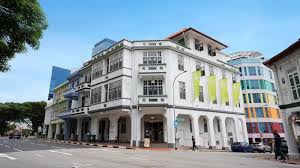
Neil Road stretches from the junction of South Bridge Road to Tanjong Pagar Road. It is strategically located near Chinatown MRT station, making it easily accessible for both tourists and locals. The street is lined with beautifully preserved shophouses, many of which have been restored and converted into cafes, boutique hotels, and office spaces.
Its proximity to other heritage districts, like Duxton Hill and Maxwell Road, adds to its appeal. Visitors can combine a walk along Neil Road with a tour of the surrounding streets, experiencing the cultural and architectural diversity of the area.
Historical Background
Neil Road was named after a British officer in the mid-19th century. The street originally served as a residential area for colonial administrators and European merchants, as well as a hub for port workers due to its close proximity to Singapore’s docks.
During the late 19th and early 20th centuries, many of the iconic shophouses were built. These structures display the Peranakan-style architecture popular at the time, with intricate facades, colorful tiles, and ornate wooden doors. Over the decades, the street evolved, reflecting Singapore’s transformation from a colonial trading hub to a modern cosmopolitan city.
Architecture and Heritage
One of the most striking features of Neil Road is its architecture. The shophouses here are a mix of colonial and Peranakan styles. Many of them are two- to three-story buildings with:
- Elaborate plasterwork on facades
- Mosaic tile flooring
- Timber shutters and window frames
- Courtyards and narrow corridors inside
Walking along the street, you will notice that each building has its own unique character, yet they form a cohesive aesthetic that reflects Singapore’s heritage. Preservation efforts over the years have ensured that these buildings maintain their historical charm while accommodating modern uses.
Must-See Landmarks
Neil Road is home to several notable landmarks that provide insight into the area’s history and culture. These include:
- Jinrikisha Station: Built in 1903, this station was the administrative center for Singapore’s rickshaw transport system. Its red-brick exterior and colonial architectural elements make it a popular spot for photography.
- Heritage Shophouses: Many of these houses have been converted into cafes, restaurants, and boutique offices, offering a glimpse into Singapore’s architectural past while serving modern needs.
- Tanjong Pagar District: At the southern end of Neil Road, visitors can explore the vibrant Tanjong Pagar neighborhood, which combines traditional markets with upscale dining and nightlife.
A Self-Guided Walking Tour
A walk along Neil Road is the best way to experience its charm. Here’s a suggested route for a self-guided tour:
- Start at the northern end near South Bridge Road. Take note of the colorful shophouses and their unique facades.
- Visit Jinrikisha Station to understand the historical significance of rickshaw transport.
- Continue southward, stopping at cafes and boutique shops for refreshments.
- Explore hidden alleys where older buildings retain their original architectural features.
- End your walk near Tanjong Pagar, enjoying the modern lifestyle spaces and rooftop bars that have revitalized the area.
This route allows visitors to experience both the historical and contemporary aspects of Neil Road in a single journey.
Cafes, Restaurants, and Lifestyle Spots
Neil Road has become a hotspot for dining and lifestyle experiences. Some popular options include:
- Boutique cafes tucked inside heritage buildings, offering specialty coffee and pastries.
- Restaurants serving a mix of local and international cuisines, often in settings that combine modern design with historical elements.
- Rooftop bars and lounges providing views of the street and surrounding neighborhoods, perfect for evening relaxation.
These establishments have contributed to Neil Road’s reputation as a lifestyle destination, attracting a younger crowd and creative professionals.
Photography and Instagram-Worthy Spots
For photography enthusiasts, Neil Road is full of opportunities. Key locations include:
- The colorful facades of shophouses along the street, particularly during morning or late afternoon light.
- Architectural details like ornate doors, tiled floors, and carved window shutters.
- Jinrikisha Station, with its red-brick exterior and historical plaques.
Capturing both the street-level vibrancy and architectural intricacies will provide a well-rounded visual story of Neil Road.
Architecture and Restoration Insights
Many of Neil Road’s buildings have undergone careful restoration. Restoration projects often focus on:
- Maintaining original facade designs and color schemes
- Preserving decorative elements such as plaster reliefs, mosaic tiles, and shutters
- Updating interior spaces to meet modern safety standards while retaining historical character
Understanding these restoration practices gives insight into Singapore’s commitment to heritage conservation and urban planning.
Nearby Attractions
Visitors can extend their exploration beyond Neil Road by visiting nearby attractions:
- Chinatown Heritage Centre: Learn about the lives of early Chinese immigrants and the evolution of the Chinatown area.
- Duxton Hill: A nearby street known for its shophouses, cafes, and nightlife.
- Maxwell Food Centre: Experience local Singaporean street food just a short walk away.
This combination of historical and lifestyle destinations makes the area ideal for both tourists and local explorers.
Insider Tips for Visiting Neil Road
- The best time to visit is during the morning or late afternoon to enjoy cooler temperatures and better lighting for photography.
- Wear comfortable walking shoes, as exploring the street thoroughly can take 1–2 hours.
- Look out for hidden details such as old signboards, carved window panels, and original door handles.
- Consider stopping at lesser-known cafes or boutiques tucked away in smaller alleys for a more authentic experience.
- Use a map to plan a circular walking route that covers both northern and southern ends of the street.
The Cultural Evolution of Neil Road
Neil Road exemplifies Singapore’s journey from colonial settlement to modern metropolis. Initially a residential street for colonial officials and European merchants, it later became home to working-class families and small businesses. Today, Neil Road blends heritage conservation with modern lifestyle, showing how historical spaces can be repurposed while retaining cultural identity.
Conclusion
Neil Road is more than just a street—it is a living testament to Singapore’s history, architecture, and modern lifestyle. From heritage shophouses to modern cafes and offices, the area offers a unique experience for tourists, photographers, and locals alike. A visit to Neil Road provides not only a glimpse into the past but also an appreciation of how Singapore has evolved into a vibrant, cosmopolitan city.
Whether you are exploring its architecture, enjoying a coffee at a boutique cafe, or simply strolling along the beautifully preserved street, Neil Road promises a memorable and enriching experience.
You may also like
Leave a Reply