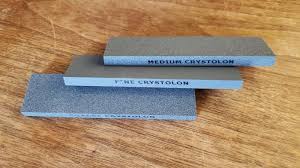
Norton Sharpening Stone Complete Guide for Professionals.
Norton sharpening stones have earned a respected position in workshops, kitchens, and tool rooms around the world. Manufactured by Norton Abrasives, these stones are widely known for consistency, durability, and predictable cutting performance. Whether you are restoring a vintage hand plane, refining a chef’s knife edge, or maintaining industrial cutting tools, Norton stones offer multiple abrasive technologies designed for specific sharpening goals. This in-depth guide explores every critical aspect of Norton sharpening stones, including abrasive materials, grit progression science, oil vs water performance, edge geometry control, maintenance strategies, advanced sharpening workflows, and expert-level optimization techniques. The goal is to provide a practical yet technically advanced reference that goes beyond basic product descriptions and equips you with real sharpening mastery.
Understanding the Foundation of Norton Sharpening Stones
At its core, a sharpening stone is a controlled abrasive surface engineered to remove metal in a precise and repeatable manner. Norton sharpening stones are produced using carefully graded abrasive grains bonded into a rigid matrix. The consistency of grain size and bond strength determines how aggressively the stone cuts and how long it maintains flatness. Norton produces several primary stone families including India oil stones, Crystolon silicon carbide stones, and synthetic water stones. Each line serves a distinct purpose and performs differently depending on steel hardness, edge condition, and desired finish level. Understanding these distinctions is the first step toward selecting the right stone for your workflow.
The Science Behind Abrasives and Bonding Systems
A sharpening stone works because abrasive particles are harder than the steel being sharpened. Norton primarily uses aluminum oxide in India stones and silicon carbide in Crystolon stones. Aluminum oxide is durable and provides a refined scratch pattern, making it ideal for controlled edge shaping and finishing. Silicon carbide is sharper and more aggressive, making it excellent for rapid metal removal and repairing damaged edges. The bond holding the abrasive grains affects how the stone wears. A harder bond means slower wear but slower cutting refresh. A softer bond releases dull grains quickly, exposing fresh sharp edges and maintaining cutting speed. Norton balances bond strength and abrasive type to deliver predictable performance across its product lines.
India Oil Stones Detailed Breakdown
4
Norton India stones are aluminum oxide oil stones designed for controlled sharpening and finishing. They are available in coarse, medium, and fine grits. Coarse India stones shape edges and remove moderate damage. Medium grit refines the bevel and smooths scratch patterns. Fine grit produces a sharp, clean working edge suitable for woodworking tools and kitchen knives. India stones are slower cutting than Crystolon but leave a smoother finish. Oil is used as a lubricant to float away metal particles and prevent clogging. Because of their durable bond structure, India stones remain flatter longer than many water stones, making them popular among woodworkers who require precision flat bevels on chisels and plane irons.
Crystolon Silicon Carbide Stones Performance Profile
4
Crystolon stones use silicon carbide abrasive for aggressive cutting. They are particularly effective for re-profiling edges, repairing chips, and sharpening very dull tools. Coarse Crystolon stones rapidly reshape bevels. Medium grit smooths deep scratches and prepares the edge for finer stones. These stones are ideal for users who frequently sharpen neglected or heavily used blades. Because silicon carbide fractures into sharp edges as it wears, Crystolon stones maintain strong cutting action. However, they leave a rougher finish compared to India stones, so many users follow them with an India fine stone or a higher grit water stone for refinement.
Synthetic Water Stones Characteristics and Use
4
Norton water stones are designed for faster cutting and finer polishing. They require soaking before use, allowing water to saturate the bonding matrix. During sharpening, the surface generates a slurry of abrasive and steel particles that enhances polishing. Water stones cut quickly and are preferred for high hardness steels and fine finishing work. They do wear faster and require flattening more often than oil stones. However, the cutting speed and polish quality make them valuable for chefs, knife enthusiasts, and precision tool sharpeners.
Grit Classification and Edge Development Strategy
Grit size determines the depth of scratches left on steel. Lower grit numbers indicate coarser abrasives for heavy material removal. Higher grit numbers produce smoother surfaces and sharper refined edges. A practical sharpening progression often starts at coarse grit for repair, transitions to medium for shaping, then finishes at fine or polishing grit. For example, restoring a chipped blade may begin with coarse Crystolon, followed by medium India, and completed on fine India or a 4000 grit water stone. Selecting the correct starting grit depends on the edge condition. Starting too fine wastes time. Starting too coarse removes unnecessary metal.
Edge Geometry and Sharpening Angles
Edge angle directly affects sharpness and durability. Kitchen knives typically use 15 to 20 degrees per side. Outdoor or heavy-use knives may use 20 to 25 degrees for durability. Woodworking chisels often use 25 to 30 degrees. Maintaining a consistent angle is more important than exact measurement. Norton stones provide stable surfaces that support consistent hand technique. Some users employ angle guides, while experienced sharpeners rely on muscle memory and visual cues. Consistency ensures even bevels and optimal cutting performance.
Oil vs Water Lubrication Systems
Oil stones use honing oil to reduce friction and prevent clogging. Oil provides a smooth sharpening feel and minimizes corrosion. Water stones rely on water as a lubricant and produce slurry for polishing. Oil stones require less frequent flattening and are lower maintenance overall. Water stones cut faster and polish finer but demand regular flattening. Choosing between oil and water depends on workflow preference, maintenance tolerance, and desired finish quality.
Flattening and Maintenance Techniques
All sharpening stones eventually lose flatness. Uneven surfaces compromise edge geometry. India and Crystolon stones wear slowly but should still be checked periodically with a straightedge. Water stones require more frequent flattening due to softer bonds. Flattening can be performed using a diamond plate or abrasive sandpaper on a flat surface. Regular cleaning prevents glazing. Oil stones can be scrubbed with solvent to remove embedded metal. Water stones can be rinsed and lightly scrubbed to maintain cutting efficiency.
Advanced Sharpening Workflow Example
A comprehensive sharpening session might begin with inspection of the blade under bright light to identify chips and dull spots. If damage exists, start with coarse Crystolon. Apply moderate pressure, using circular or push-pull strokes while maintaining angle. Once a burr forms along the entire edge, transition to medium India stone to refine scratches. Continue until burr becomes smaller and more consistent. Move to fine India or 4000 grit water stone for finishing. Use lighter pressure to polish and remove the burr. Finally, strop on leather to align and refine the apex. This workflow maximizes efficiency and preserves steel longevity.
Steel Hardness and Abrasive Compatibility
Different steels respond differently to abrasives. Softer carbon steels sharpen easily on India stones. Harder high carbon or alloy steels benefit from silicon carbide or water stones for faster cutting. Stainless steels with chromium content may resist slower abrasives and respond better to Crystolon or higher grit water stones. Understanding steel composition helps optimize stone selection and reduce sharpening time.
Common Sharpening Mistakes and Corrections
One common mistake is failing to form a burr before moving to the next grit. Without a burr, the edge apex is not fully sharpened. Another error is inconsistent angle control, resulting in uneven bevels. Excessive pressure can gouge softer water stones. Insufficient lubrication can clog oil stones. Skipping grits may leave deep scratches that weaken the edge. Addressing these issues ensures professional-level results.
Knife Sharpening vs Tool Sharpening Differences
Kitchen knives emphasize razor sharpness and slicing efficiency. Woodworking tools prioritize flat bevels and durability. Knives may benefit from higher polish finishes. Chisels require perfectly flat backs and uniform bevels. Norton stones support both applications, but workflow and angle differ. Understanding these differences enhances precision.
Combining Norton Stones for Maximum Performance
Many professionals combine Crystolon and India stones in one progression. Crystolon handles heavy stock removal. India refines and smooths. Water stones polish. This layered approach balances speed and finish quality. Combination stones with dual grits offer convenience but may limit surface area for large tools.
Long Term Stone Care and Storage
Store oil stones lightly coated with oil to prevent drying. Keep water stones dry after use to prevent mold or cracking. Avoid dropping stones, as impact may fracture bonds. Periodically inspect for cracks. Protect edges of stones to maintain uniform sharpening surface.
Professional Workshop Setup Optimization
Mounting stones in a stable holder improves control. Adequate lighting ensures burr visibility. Keeping a spray bottle nearby maintains lubrication for water stones. Dedicated flattening tools streamline maintenance. Organized grit progression saves time.
Edge Testing Methods
Paper slicing tests reveal sharpness. Shaving hair indicates high polish edges. Wood end-grain tests validate chisel performance. Visual inspection under magnification confirms burr removal. Combining tactile and visual testing ensures accurate results.
Why Norton Stones Remain Industry Standard
Norton stones offer consistent grit grading and reliable bonding systems. Durability reduces replacement frequency. Predictable performance builds user confidence. Availability of multiple abrasive technologies allows customization of sharpening workflows.
Expert Level Edge Refinement Techniques
Micro-beveling adds durability by applying a slightly steeper angle at final passes. Progressive pressure reduction enhances polish. Edge trailing strokes refine apex alignment. Controlled stropping removes residual burr fragments. These advanced techniques elevate sharpening precision beyond basic methods.
Sharpening Frequency and Edge Preservation
Regular light maintenance prevents major reprofiling. Touch-ups on fine stones extend blade life. Avoid waiting until knives are extremely dull. Maintaining a routine improves efficiency and reduces steel removal.
Selecting the Ideal Norton Stone for Your Needs
For beginners, a combination India stone provides balanced performance. For heavy restoration, coarse Crystolon is essential. For premium knife finishing, add a high grit water stone. For woodworking precision, fine India stones offer flat stability.
Comprehensive Sharpening Strategy Blueprint
Assess edge condition. Select starting grit accordingly. Maintain consistent angle. Raise burr fully. Progress logically through grits. Reduce pressure with each stage. Remove burr completely. Test sharpness. Maintain stones regularly. Repeat as needed.
Conclusion
Norton sharpening stones provide a versatile, durable, and technically sound solution for sharpening knives, woodworking tools, and industrial blades. By understanding abrasive science, grit progression, lubrication systems, edge geometry, and maintenance techniques, users can achieve professional-grade results. Whether using India oil stones for controlled refinement, Crystolon stones for aggressive shaping, or water stones for polished finishes, mastering the workflow transforms sharpening from a chore into a precise craft. With disciplined technique and proper stone selection, Norton sharpening stones become not just tools, but foundational instruments of edge performance excellence.
You may also like



Leave a Reply