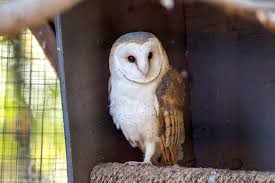
Pet Owls for Sale: A Complete, Responsible, and Depth Guide
Pet Owls For Sale Idea of owning an owl has fascinated people for generations. Owls are mysterious, intelligent, visually striking, and deeply symbolic across cultures. Their silent flight, piercing eyes, and nocturnal behavior create an aura that feels both magical and powerful. Because of this fascination, many people search for information about pet owls for sale, hoping to understand whether owning an owl is possible, legal, ethical, and practical. This article exists to provide a comprehensive, responsible, and realistic explanation of what owl ownership truly involves, what “for sale” actually means in different contexts, and why owls are fundamentally different from traditional companion animals.
Rather than focusing on selling or promoting ownership, this guide focuses on education, preparation, and informed decision-making. Owls are not domesticated animals. They are birds of prey with specialized needs that demand serious commitment, knowledge, and resources. Understanding this reality is essential before even considering the concept of pet owls.
Understanding What “Pet Owls” Really Means
The term pet owl is often misunderstood. Unlike dogs, cats, or even parrots, owls have never been domesticated. Domestication is a long biological process that alters behavior, temperament, and dependency on humans across generations. Owls remain wild animals even when raised in captivity. They do not seek affection in the way mammals do, and they do not form owner-pet bonds comparable to common household animals.
When people refer to pet owls, they are usually describing captive-bred owls kept under highly regulated conditions by licensed individuals. These conditions often resemble professional wildlife care environments rather than homes. Understanding this distinction is crucial because it sets realistic expectations and prevents harm to both humans and animals.
Why People Are Attracted to Owls as Pets
Owls appeal to people for many reasons. Their appearance conveys intelligence and mystery. Their presence feels rare and exclusive. Some people admire their independence, while others are drawn to the idea of caring for an animal that feels closer to nature than a typical pet.
Cultural symbolism also plays a role. Owls are associated with wisdom, protection, and insight in many traditions. This symbolism can create emotional attachment before practical considerations are addressed. While admiration is natural, admiration alone is not enough to justify ownership.
The Difference Between Admiring Owls and Owning One
Admiration involves respect from a distance. Ownership involves responsibility, sacrifice, and daily labor. Owls are not decorative animals or status symbols. They require constant care, precise feeding, specialized housing, and ongoing veterinary attention.
The gap between admiration and ownership is where many problems arise. People imagine the beauty of an owl perched calmly on a glove but underestimate the reality of cleaning enclosures, sourcing whole prey, managing aggressive behavior, and meeting legal requirements.
Legal Frameworks Governing Owl Ownership
One of the most important aspects of the pet owl discussion is legality. Laws governing owl ownership vary widely depending on country, region, and species. In many places, owls are protected wildlife, and private ownership is prohibited without special permits.
In some regions, only licensed falconers, wildlife rehabilitators, or educational institutions are allowed to keep owls. These licenses often require training, examinations, facility inspections, and ongoing compliance. Simply finding an owl advertised for sale does not mean the transaction is legal.
Understanding and respecting wildlife laws is essential. These laws exist to protect animals from exploitation and to preserve ecological balance.
Why Owls Are Protected Animals
Owls play critical roles in ecosystems. They control rodent populations, maintain food chain balance, and contribute to biodiversity. Removing owls from the wild or breeding them irresponsibly can disrupt these systems.
Protection laws also exist because owls do not thrive in casual captivity. Without proper care, they suffer physically and psychologically. Legal restrictions are designed to ensure that only qualified individuals take responsibility for these animals.
Ethical Considerations of Buying Owls
Beyond legality, ethics play a central role. Ethical animal care considers the animal’s welfare above human desire. Owls are evolved to hunt, fly long distances, and live according to natural rhythms. Confinement, even with good intentions, can limit their quality of life.
Ethical considerations include sourcing, breeding practices, living conditions, and long-term commitment. Responsible thinking asks whether ownership benefits the owl or simply satisfies human curiosity.
The Reality of Owls Sold “For Sale”
When people encounter listings claiming owls are for sale, those listings often fall into specific categories. Some are legitimate transfers between licensed individuals. Others are misleading or illegal. Some involve birds bred for falconry or educational purposes rather than companionship.
It is important to understand that legitimate owl transfers rarely resemble typical pet purchases. They involve documentation, inspections, and professional standards.
Common Owl Species People Ask About
Certain owl species are more frequently discussed in the context of captivity. These include smaller species perceived as manageable and larger species admired for their presence. Each species has unique needs, behaviors, and challenges.
No owl species is naturally suited to casual pet life. Differences in size do not equate to differences in difficulty. Smaller owls can be just as demanding as larger ones, if not more so.
Lifespan and Long-Term Commitment
Owls can live for decades in captivity when properly cared for. Some species may live twenty to thirty years or more. This lifespan requires long-term planning that extends beyond short-term enthusiasm.
Long-term commitment includes financial planning, lifestyle compatibility, and contingency arrangements. Owls cannot be easily rehomed, and sanctuaries are often full. Ownership should never be impulsive.
Housing Requirements for Owls
Owls require large, secure enclosures designed specifically for birds of prey. These enclosures must allow for flight, perching, shelter from weather, and protection from predators. Indoor cages are not sufficient.
Aviary construction involves significant expense and expertise. Materials must be safe, durable, and easy to clean. Enclosures must also meet legal standards in regulated regions.
Environmental Enrichment and Mental Health
Owls are intelligent animals that require mental stimulation. Enrichment includes varied perches, controlled hunting opportunities, and environmental complexity. Without enrichment, owls can develop stress behaviors, feather damage, and aggression.
Mental health is often overlooked by inexperienced caretakers. Providing enrichment requires creativity, time, and understanding of owl behavior.
Feeding Owls Properly
Feeding is one of the most demanding aspects of owl care. Owls eat whole prey such as rodents, birds, and insects depending on species. This means sourcing frozen or fresh prey and handling it appropriately.
Owls require complete nutrition, including bones, organs, and fur or feathers. Processed food is not suitable. Feeding schedules must align with natural hunting rhythms, often at night.
Hygiene and Food Safety
Handling whole prey requires strict hygiene practices. Improper handling can expose humans to bacteria and parasites. Storage, thawing, and disposal must be done carefully.
Owls themselves produce waste that includes pellets, droppings, and leftover prey remains. Cleaning routines must be consistent to prevent disease.
Veterinary Care for Owls
Owls require specialized veterinary care from professionals experienced with birds of prey. Such veterinarians are not widely available in all regions. Routine checkups, emergency care, and diagnostics can be expensive and time-consuming.
Preventative care includes parasite control, injury monitoring, and nutritional assessment. Owls hide illness well, so caretakers must be observant and proactive.
Behavioral Challenges in Owl Ownership
Owls are not naturally affectionate toward humans. They may tolerate human presence but can become aggressive, especially during breeding seasons. Talons and beaks can cause serious injury.
Handling owls requires training and protective equipment. Even experienced caretakers approach handling with caution and respect.
Nocturnal Lifestyle and Human Compatibility
Most owls are nocturnal. They are active at night and rest during the day. This lifestyle conflicts with typical human routines. Noise, movement, and light during the day can stress owls.
Owls may vocalize loudly at night, which can disturb neighbors and household members. Potential owners must consider lifestyle compatibility carefully.
Socialization and Isolation
Owls are generally solitary animals. They do not seek companionship from humans or other owls outside breeding contexts. Attempts to force social interaction can cause stress.
Understanding and respecting their independence is essential for ethical care.
Training and Handling Realities
Training owls is fundamentally different from training domesticated animals. Training focuses on cooperation rather than obedience. It often involves conditioning for recall, perching, and safe handling.
This training requires knowledge, patience, and professional guidance. It is not a casual hobby.
Financial Cost of Owl Care
The financial cost of caring for an owl is substantial. Expenses include enclosure construction, food, veterinary care, permits, equipment, and ongoing maintenance. These costs continue for the owl’s entire lifespan.
Budgeting must include emergency funds and inflation over decades.
Time Investment Required
Owls require daily care, observation, cleaning, feeding, and enrichment. Travel and vacations become complicated because care cannot be easily delegated.
Time investment is often underestimated by those unfamiliar with animal husbandry.
Risks of Illegal Trade
Illegal wildlife trade poses serious risks to animals and ecosystems. Owls sold illegally may be taken from the wild, improperly bred, or mistreated. Buyers may unknowingly contribute to conservation harm.
Avoiding illegal trade is a moral and legal responsibility.
Alternatives to Owning an Owl
For those who love owls, many ethical alternatives exist. Supporting wildlife sanctuaries, volunteering, participating in educational programs, and observing owls in nature provide meaningful connection without ownership.
These alternatives benefit both humans and animals while respecting natural boundaries.
Educational and Conservation Opportunities
Education centers and rehabilitation facilities offer opportunities to learn about owls responsibly. These environments prioritize animal welfare and conservation.
Supporting such institutions helps protect owls and their habitats.
Photography and Observation as Connection
Wildlife photography and birdwatching allow people to appreciate owls without interfering in their lives. Learning to observe owls in their natural habitats deepens respect and understanding.
This form of connection fosters conservation awareness.
Why Owls Are Not Companion Animals
Companion animals have evolved alongside humans to share social bonds. Owls have not. Expecting companionship from an owl misunderstands its nature and needs.
Respecting this difference is central to ethical decision-making.
Responsibility Over Desire
Desire should never override responsibility. Owls depend entirely on their caretakers in captivity. If needs are unmet, the owl suffers silently.
Responsible thinking prioritizes the animal’s welfare over human fascination.
Making an Informed Decision
Anyone considering an owl must evaluate legality, ethics, resources, lifestyle, and long-term commitment honestly. Consultation with experienced professionals is essential.
Informed decisions prevent harm and regret.
The Role of Education in Preventing Harm
Education reduces impulse purchases and exploitation. Articles like this exist to replace myth with reality and curiosity with knowledge.
Understanding leads to better outcomes for animals and people.
The Bigger Picture of Wildlife Respect
Owls remind us that not everything beautiful is meant to be owned. Some creatures are meant to be respected from a distance, protected rather than possessed.
This perspective fosters harmony between humans and nature.
Final Thoughts on Pet Owls for Sale
The phrase pet owls for sale may suggest availability and simplicity, but the reality is complex and demanding. Owls are extraordinary animals with specialized needs, legal protections, and ethical considerations that make casual ownership inappropriate.
True appreciation for owls is shown through respect, education, and conservation rather than ownership. For those willing to commit at a professional level, strict legal and ethical pathways exist. For everyone else, the most responsible choice is to admire owls as they were meant to be admired: as wild, powerful, and free beings.
You may also like



Leave a Reply