Purvis Street Singapore: A Historic Lane Filled With Food
Purvis Street is one of the most fascinating small streets in Singapore. Located in the heart of the city near the Bugis and City Hall districts, this short road carries a deep cultural history and a vibrant modern lifestyle. Despite being only a few hundred meters long, the street has developed a reputation as a food hotspot, a heritage conservation area, and a place where old Singapore blends naturally with modern dining and nightlife. Many visitors walk through Purvis Street expecting a quick stop for food, but the area offers much more. The street is filled with beautifully preserved shophouses, unique restaurants, cocktail bars, and cultural attractions that tell the story of Singapore’s early immigrant communities. Understanding Purvis Street means exploring its history, architecture, food culture, and modern transformation.
The Origin and History of Purvis Street
Purvis Street dates back to the colonial period of Singapore when the area was developing as a commercial district. The street was named after John Purvis, a merchant who played a role in the early commercial development of Singapore. During the nineteenth and early twentieth centuries, the area became closely connected with the Hainanese immigrant community. Many migrants from Hainan Island in China settled here and started small food businesses, coffee shops, and family restaurants.
Over time, the street became widely known as a center of Hainanese cuisine. Some locals even referred to it as “Hainan Second Street” because of the large number of Hainanese businesses operating there. The restaurants served traditional dishes that combined Chinese cooking methods with Southeast Asian flavors. These early eateries attracted workers, traders, and travelers who passed through the nearby commercial districts.
As Singapore modernized, many historic neighborhoods were redeveloped. However, Purvis Street managed to preserve much of its original character because the government designated many of its buildings as conserved shophouses. This conservation effort helped maintain the street’s historic architecture while allowing businesses to operate inside these heritage structures.
The Unique Architecture of the Shophouses
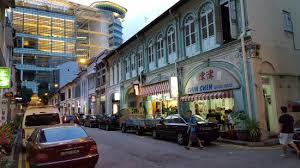
One of the most striking features of Purvis Street is its row of colorful shophouses. These buildings represent a classic form of Southeast Asian urban architecture that developed during the colonial period. Shophouses are narrow but long buildings that combine residential and commercial spaces. The ground floor traditionally served as a shop or restaurant, while the upper floors were used as living quarters.
The shophouses on Purvis Street display several architectural styles that reflect different historical periods. Some buildings show strong Chinese influences, while others incorporate European decorative elements introduced during colonial times. Decorative tiles, wooden shutters, arched windows, and detailed facades give each building its own personality.
Many of the buildings have undergone careful restoration to maintain their historic appearance while adapting the interiors for modern businesses. Inside these restored spaces, visitors can find restaurants, cocktail bars, offices, and creative studios. This blend of old architecture with modern interior design creates a unique atmosphere that cannot easily be found in newer parts of the city.
Why Purvis Street Became a Famous Food Destination
Purvis Street has earned a strong reputation as one of Singapore’s most interesting dining streets. The food culture here developed naturally because of the Hainanese community that settled in the area decades ago. Hainanese chefs were known for their hospitality and culinary skills, and they introduced dishes that later became famous across Singapore.
Today, the street offers a mix of traditional eateries and modern restaurants. Visitors can find everything from classic Hainanese dishes to Italian cuisine, contemporary Asian fusion, and gourmet dining experiences. The concentration of high-quality restaurants within such a small area makes Purvis Street particularly appealing for food lovers who enjoy exploring multiple dining spots in one evening.
Another reason for the street’s popularity is its intimate scale. Unlike large food districts filled with crowded shopping malls, Purvis Street retains a neighborhood feel. Restaurants are located inside heritage buildings, creating a cozy dining environment that feels both historic and stylish.
Traditional Hainanese Food Experiences
Many visitors come to Purvis Street specifically to experience authentic Hainanese cuisine. This style of cooking focuses on simple ingredients prepared with careful techniques that highlight natural flavors. Dishes often feature chicken, seafood, rice, and light broths.
One classic example is Hainanese chicken rice, which is widely considered one of Singapore’s most iconic dishes. Although the dish is now found across the country, its roots are strongly connected with the Hainanese community that once dominated Purvis Street’s food scene.
Traditional coffee shops, also known as kopitiams, were another important part of the street’s culture. These establishments served strong coffee, toast with kaya spread, and simple local meals. Even today, some restaurants on the street maintain this old-school dining atmosphere.
Modern Restaurants and Global Cuisine
While Purvis Street began as a center for traditional food, it has evolved into a diverse culinary destination. Over the years, chefs from different backgrounds have opened restaurants here, introducing international flavors to the street.
Italian restaurants, contemporary Asian bistros, and creative fusion kitchens now operate alongside traditional eateries. This variety makes the street attractive to both locals and tourists looking for something unique. Many restaurants emphasize high-quality ingredients, stylish interiors, and carefully designed menus.
The compact layout of the street also encourages food exploration. Visitors often walk from one restaurant to another, discovering new dishes and culinary concepts within just a few minutes.
The Rise of Cocktail Bars and Nightlife
Purvis Street is not only known for its restaurants but also for its growing cocktail culture. In recent years, several innovative bars have opened in the restored shophouses. These establishments focus on craft cocktails, premium spirits, and creative drink presentations.
Bartenders experiment with local ingredients, herbs, and spices to create unique drinks inspired by regional flavors. The intimate interior spaces of the shophouses provide an ideal setting for cocktail bars because the narrow layouts create cozy, atmospheric environments.
Nightlife on Purvis Street tends to feel more relaxed and sophisticated compared to larger entertainment districts. Instead of loud clubs and crowded dance floors, visitors will find stylish bars where people gather to enjoy carefully crafted drinks and conversations.
Cultural Attractions Near the Street
Purvis Street is located in one of the most culturally rich areas of Singapore. Within a short walking distance, visitors can explore museums, historic buildings, and shopping districts. One notable attraction nearby is the MINT Museum of Toys, which houses an impressive collection of vintage toys and collectibles from around the world.
The street is also close to Bugis, a vibrant neighborhood known for its shopping centers, street markets, and cultural landmarks. Visitors who explore Purvis Street often combine their trip with visits to nearby heritage sites and entertainment areas.
This convenient location makes the street an excellent starting point for exploring the broader downtown area.
A Perfect Street for Walking Exploration
Purvis Street is particularly enjoyable for walking tours because of its compact size and architectural charm. A visitor can easily explore the entire street within a short time while still discovering many interesting details along the way.
Walking along the street allows visitors to observe the unique design elements of each shophouse, from decorative facades to intricate window frames. Small signs, traditional shopfronts, and colorful walls create excellent photo opportunities.
Because the street is relatively small, the experience feels calm and personal compared to larger commercial districts. Many people enjoy walking here during the evening when restaurant lights illuminate the historic buildings and the atmosphere becomes lively but still relaxed.
Conservation and Heritage Protection
One of the reasons Purvis Street remains so charming today is the effort made to preserve its historic buildings. Urban conservation policies have protected many of the original structures from demolition. Instead of replacing the shophouses with modern skyscrapers, developers and city planners worked to restore the buildings and adapt them for contemporary use.
This approach allows businesses to operate in historic spaces while maintaining the architectural identity of the neighborhood. Conservation efforts have also helped maintain the cultural story of the street, ensuring that future generations can still experience its historical atmosphere.
The preserved architecture contributes to Singapore’s broader strategy of balancing modernization with heritage protection. Purvis Street stands as an example of how historical districts can remain economically active while preserving their cultural identity.
Why Visitors Should Explore Purvis Street
Purvis Street offers a unique experience that combines history, food, architecture, and nightlife in one small location. Visitors can enjoy authentic local dishes, explore heritage buildings, discover creative cocktail bars, and learn about the cultural history of Singapore’s immigrant communities.
The street’s charm comes from its balance between old and new. Traditional restaurants operate next to modern dining concepts, while historic shophouses house contemporary businesses. This contrast creates a lively environment that reflects the evolving identity of Singapore itself.
For travelers who want to experience a part of the city that feels authentic and historically meaningful, Purvis Street is an excellent destination. Even though it may appear to be just a small road on the map, it represents centuries of cultural exchange, culinary innovation, and architectural preservation.
Final Thoughts
Purvis Street may be short in length, but it carries a remarkable story. From its origins as a Hainanese immigrant hub to its current status as a vibrant dining and nightlife destination, the street has continuously evolved while maintaining its historic character. Its preserved shophouses, diverse restaurants, and cultural landmarks make it one of the most interesting places to explore in central Singapore.
Anyone who walks through Purvis Street can experience the blend of heritage and modern life that defines much of Singapore’s urban culture. Whether visiting for a meal, a cocktail, or a simple walk through history, the street offers an experience that goes far beyond its small physical size.
You may also like
Leave a Reply