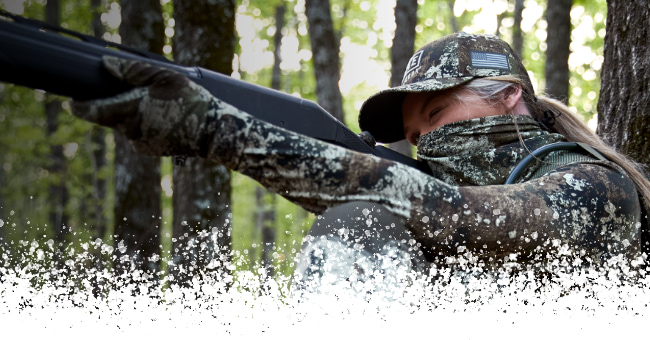
She Hunting Gear: The Ultimate Complete Guide for Women.
She hunting gear is no longer a niche category. It has evolved into a highly specialized segment of outdoor equipment designed specifically for female hunters who demand durability, functionality, comfort, and tactical efficiency in every hunting environment. Whether you pursue whitetail deer in hardwood forests, waterfowl in wetlands, elk in mountain terrain, or predators in open plains, your gear must work with your body and your hunting strategy — not against it. This comprehensive guide covers every advanced aspect of women’s hunting gear including apparel systems, layering science, fit engineering, materials technology, scent control strategy, climate optimization, boot biomechanics, pack configuration, optics integration, safety equipment, maintenance protocols, and long-term gear planning. Everything is structured to give you maximum clarity, deep knowledge, and practical decision-making confidence.
Understanding the Evolution of Women’s Hunting Gear
For decades, women’s hunting apparel was simply downsized men’s gear or modified with cosmetic adjustments. Today, modern she hunting gear is engineered with anatomical precision, performance mapping, and movement analysis tailored to female biomechanics. Hip-to-waist ratios, shoulder width, torso length, and leg proportions are factored into pattern design. This results in better mobility when drawing a bow, shouldering a rifle, climbing into a stand, or hiking long distances under load.
Advanced patterning now includes articulated knees, contoured waistbands, stretch panel integration, gusseted crotch construction, and ergonomic sleeve shaping. These structural changes increase range of motion while maintaining quietness and durability.
High-performance women’s lines from brands like Sitka Gear, Kuiu, First Lite, and Under Armour have contributed to raising standards in the industry by investing in female-specific design rather than simple resizing.
The Science of Layering Systems for Female Hunters
Layering is not just about warmth; it is about moisture regulation, thermal efficiency, stealth, and endurance. A proper layering system includes three core components: base layer, insulation layer, and outer shell.
Base Layer Performance and Fabric Technology
The base layer sits directly against the skin and controls moisture. Sweat management is critical because damp skin accelerates heat loss in cold weather and increases discomfort in warm climates.
Common advanced base layer materials include:
• Merino wool for temperature regulation and odor resistance
• Synthetic polyester blends for moisture wicking and quick drying
• Hybrid fabrics combining stretch with antimicrobial treatments
Merino wool stands out due to its natural thermoregulating properties. It insulates even when damp and resists odor buildup during multi-day hunts.
Mid Layer Insulation Engineering
The insulation layer traps body heat. Depending on hunting conditions, insulation may range from lightweight fleece to synthetic loft insulation or down alternatives.
Synthetic insulation is preferred for wet climates because it retains warmth when exposed to moisture. Down insulation provides exceptional warmth-to-weight ratio but must remain dry for optimal performance.
Outer Shell Protection and Environmental Defense
The shell layer protects against wind, rain, snow, and abrasion. Technical membranes like Gore-Tex style waterproof-breathable laminates are common. Quiet face fabrics are essential for bowhunters who need stealth movement.
Waterproof ratings are measured in millimeters. A 10,000mm rating offers moderate rain protection, while 20,000mm and above ensures heavy storm resistance.
Fit Engineering and Female Biomechanics
Fit impacts not only comfort but shooting accuracy and endurance. Women-specific gear accounts for:
• Curved hip structure
• Narrower shoulders
• Different torso proportions
• Variable chest shaping
• Knee alignment and stride pattern
Ill-fitting jackets restrict bow draw cycles. Oversized pants cause fabric noise. Tight waistbands restrict breathing and blood flow during cold sits.
Adjustable waist systems, stretch fabrics, and tailored seam placements reduce these problems significantly.
Climate-Based Gear Strategy
Cold Weather Hunting Systems
Cold weather hunts demand advanced insulation and windproof outer layers. Key components include:
• Thermal base layer
• Insulated bibs
• Windproof jacket
• Insulated boots with high gram ratings
• Neck gaiter and insulated gloves
Boot insulation is measured in grams. 400g suits moderate cold. 800g–1200g works for extreme winter sits.
Warm Weather Hunting Setup
Early-season hunts require breathable fabrics and insect protection. Lightweight base layers, ventilated pants, and moisture-wicking caps reduce overheating.
Insect shield technology integrated into fabric can repel mosquitoes and ticks during early fall hunts.
Wet and Waterfowl Environments
Waterfowl hunters require waterproof bibs, sealed seams, and durable camo patterns that blend with marsh environments. Brands such as Drake Waterfowl and Banded offer female-specific options built for wetlands.
Camouflage Strategy and Pattern Selection
Camo is not fashion; it is concealment science. Effective camo depends on terrain, vegetation density, season, and animal vision capabilities.
Pattern Types
• Open terrain digital patterns
• Woodland macro-micro breakup patterns
• Marsh and reed-focused waterfowl patterns
• Snow camo for winter
Brands such as Mossy Oak and Realtree have developed advanced camo systems optimized for different biomes.
Boots and Lower Body Biomechanics
Boot choice determines endurance. Women’s boots are designed with narrower heels, adjusted arch support, and different ankle shaping.
Key features include:
• Waterproof membranes
• Insulation level
• Aggressive tread pattern
• Lightweight construction
• Proper ankle support
Fit should allow slight toe movement without heel lift. Poor boot fit causes blisters, fatigue, and joint strain.
Packs and Load Distribution
A properly fitted hunting pack distributes weight evenly across hips and shoulders. Women-specific packs account for shorter torsos and chest contour differences.
Advanced packs include:
• Hydration reservoirs
• Modular compartments
• Bow or rifle attachment systems
• Meat hauling frames
Brands like Eberlestock produce female-compatible pack frames that enhance load stability.
Optics Integration and Harness Systems
Optics are critical for spotting game at distance. Women-specific harness systems provide comfort across chest contours while keeping binoculars secure.
Key considerations:
• Quiet closure systems
• Adjustable straps
• Breathable padding
• Rangefinder compatibility
Scent Control Systems
Game animals rely heavily on scent detection. Advanced scent control strategies include:
• Activated carbon fabrics
• Antimicrobial treatments
• Scent-eliminating sprays
• Ozone storage systems
Scent control garments are especially important for deer hunters.
Gloves, Headwear, and Accessories
Accessories complete the system. Key items include:
• Insulated shooting gloves
• Touchscreen-compatible liners
• Neck gaiters
• Thermal beanies
• UV-protection caps
Each accessory must match climate and hunting style.
Safety Gear Essentials
Safety equipment includes:
• Blaze orange vests or caps
• Tree stand harness systems
• First aid kits
• GPS devices
Brands like Garmin provide reliable handheld GPS units for navigation.
Durability and Fabric Technology
High-denier fabrics resist tears. Reinforced knees and seat panels extend gear life. Double-stitched seams prevent failure during rugged hunts.
Gear Maintenance and Longevity
Proper care extends gear lifespan:
• Wash with scent-free detergents
• Air dry waterproof garments
• Reapply durable water repellent coatings
• Store in breathable containers
Boots require conditioning and proper drying to prevent cracking.
Budget Planning and Investment Strategy
Invest strategically:
• Prioritize boots and outer layers
• Upgrade base layers gradually
• Buy multi-season versatile pieces
High-quality gear reduces long-term replacement costs.
Psychological Confidence and Performance
Well-fitted, reliable gear improves mental focus. Discomfort distracts from shot execution. Confidence in your equipment translates to better hunting decisions.
The Future of She Hunting Gear
Innovation continues with:
• Lightweight insulation materials
• Sustainable fabric sourcing
• Advanced female-focused pattern engineering
• Improved pack weight distribution
The industry is shifting toward performance-first design rather than cosmetic differentiation.
Final Thoughts on Mastering She Hunting Gear
She hunting gear is no longer an afterthought in the outdoor industry. It represents a highly engineered ecosystem of apparel, footwear, packs, optics integration, scent control, and safety equipment designed specifically to support female hunters across every terrain and season. Mastery comes from understanding layering science, biomechanical fit, climate adaptation, scent management, camouflage strategy, and maintenance discipline. When every piece works together as a system, performance improves, endurance increases, and the hunting experience becomes safer and more effective. Choosing gear intentionally rather than impulsively ensures long-term success and satisfaction in the field.
You may also like



Leave a Reply