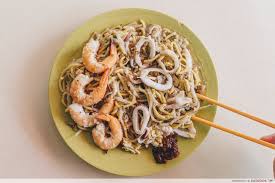
Discovering Swee Guan Hokkien Mee: A Legendary
Swee Guan Hokkien Mee has long been a staple in Singapore’s hawker food scene, celebrated for its rich, smoky flavors and authentic cooking style. Operating since 1968, this family-run stall has earned its reputation as a must-visit destination for locals and tourists alike. From its humble beginnings to its modern-day acclaim, Swee Guan continues to captivate food lovers with its signature charcoal-fried noodles.
The Origins and Legacy of Swee Guan
Swee Guan was founded by a passionate hawker who perfected the art of Hokkien Mee over decades. The stall has remained a family business, now managed by the founder’s son, preserving traditional techniques while subtly adapting to modern tastes. The legacy of Swee Guan is built on consistency, quality, and dedication to authentic flavors, making it an integral part of Singapore’s culinary history.
Unlike other stalls that may modernize rapidly, Swee Guan has remained committed to the charcoal-frying method, which gives the noodles their distinctive smoky aroma known locally as “wok hei.” This method, combined with fresh ingredients, ensures that every plate delivers a memorable experience.
Understanding Hokkien Mee at Swee Guan
Hokkien Mee is a noodle dish combining yellow egg noodles and rice vermicelli, stir-fried in a rich prawn and pork stock. Swee Guan’s rendition is known for its balance of textures and flavors.
The noodles are stir-fried over a charcoal flame, which not only adds smokiness but also caramelizes the sauce to coat the noodles perfectly. The dish typically includes fresh prawns, squid, pork lard, and a touch of garlic. Optional condiments such as sambal chili enhance the taste, giving each serving a personalized kick.
Charcoal-Frying vs. Gas Cooking: Why It Matters
One key reason Swee Guan stands out is its commitment to charcoal-frying, a technique that is becoming rare in modern hawker culture. Cooking over charcoal allows:
- High, consistent heat that sears the noodles quickly, locking in flavor.
- Smoky aroma that is impossible to replicate with gas stoves.
- Subtle texture variations where some parts of the noodle are slightly crisped.
This technique requires careful attention, as the heat must be managed manually, and each batch of noodles is closely monitored for color, aroma, and taste.
Key Ingredients and Their Role in Flavor
Swee Guan’s Hokkien Mee relies on the quality of each ingredient, with an emphasis on freshness and balance.
- Prawns: Fresh, large prawns contribute both sweetness and texture.
- Squid: Tender yet firm, enhancing the dish’s seafood flavor.
- Pork lard: Adds richness and subtle crispiness.
- Stock: A slow-cooked mixture of prawn shells and pork bones, forming the backbone of the flavor.
- Noodles: A combination of egg noodles and vermicelli ensures a balance of chewiness and softness.
Each ingredient works together to create a complex umami profile, making the dish satisfying without being overly heavy.
How Swee Guan Hokkien Mee Compares to Other Stalls
While Singapore has numerous Hokkien Mee stalls, Swee Guan differentiates itself through a combination of technique, flavor, and consistency.
| Feature | Swee Guan | Typical Stall |
|---|---|---|
| Cooking Method | Charcoal-fried | Gas stove |
| Flavor | Smoky, rich, balanced | Often lighter or less aromatic |
| Queue Times | 20–40 minutes | 10–25 minutes |
| Price Range | $6–$12 | $5–$10 |
| Portion Size | Generous | Variable |
This comparison demonstrates why many food enthusiasts consider Swee Guan a benchmark for Hokkien Mee.
Insider Tips for Visiting
To make the most of your Swee Guan experience, consider the following:
- Visit during non-peak hours: Early lunch or late evening can reduce waiting time.
- Bring cash: Most hawker stalls still operate on a cash-only basis.
- Order strategically: For first-timers, the classic Hokkien Mee is recommended; returning visitors may experiment with extra prawns or sambal chili.
- Queue smartly: The line is often long, but observing the cooking process can be part of the experience.
Taste Profile and Serving Style
Swee Guan’s Hokkien Mee offers a well-rounded taste profile:
- Umami from stock
- Sweetness from prawns
- Smokiness from charcoal
- Crispiness from pork lard
Portions are typically served on paper plates, reflecting the traditional hawker style. Some local fans prefer adding lime for acidity, which balances the richness. The dish is best eaten immediately, while hot and aromatic, to fully enjoy the textures and flavors.
Preserving Tradition in Modern Times
In an era where many hawker stalls modernize or expand to multiple locations, Swee Guan has retained a single stall operation, focusing on quality rather than quantity.
This approach ensures that each serving maintains the same standard the stall has been known for over 50 years. By sticking to traditional techniques and recipes, Swee Guan acts as a living representation of Singaporean hawker culture.
Comparing Wet and Dry Hokkien Mee
While Swee Guan primarily serves the classic “wet” style with a flavorful prawn broth, it’s important to understand the distinction between wet and dry Hokkien Mee:
- Wet style: Noodles coated in prawn stock, richer and more aromatic.
- Dry style: Stir-fried with minimal sauce, highlighting noodle texture more than flavor depth.
Swee Guan’s wet version is considered the benchmark for authenticity and flavor, appealing to purists and casual diners alike.
The Role of Community and Local Food Culture
Swee Guan’s enduring success is not just about flavor—it’s about community and cultural significance.
- Local patronage: Long-time Singaporeans value consistency and tradition.
- Tourist attraction: Food bloggers and travel guides often recommend the stall as a quintessential hawker experience.
- Hawker heritage: The stall contributes to Singapore’s UNESCO-recognized hawker culture, maintaining the craft of traditional cooking.
Conclusion: Why Swee Guan Hokkien Mee is Unmissable
For anyone seeking an authentic taste of Singapore, Swee Guan Hokkien Mee offers more than just noodles—it’s a culinary experience steeped in history, technique, and culture. The combination of charcoal-fired cooking, fresh ingredients, and a commitment to tradition makes every plate memorable.
Whether you’re a first-time visitor or a seasoned local, understanding the history, cooking style, and flavor nuances will enhance your appreciation of this iconic hawker dish. Swee Guan is more than food—it’s a testament to Singapore’s rich culinary heritage.
You may also like
Leave a Reply