Tauck Japan Complete Travel Guide and In-Depth Experience.
When travelers search for premium guided travel in Japan, one of the most recognized names that appears is Tauck. Known globally for curated, high-touch travel experiences, Tauck positions its Japan programs as immersive, culturally rich, and logistically seamless journeys designed for travelers who prefer depth over speed and refinement over improvisation. This comprehensive guide explores every aspect of Tauck Japan tours including structure, itineraries, cultural depth, accommodations, value proposition, audience targeting, strengths, weaknesses, and strategic insights for travelers who want clarity before investing in a premium escorted journey. This is not a promotional summary but a structured, advanced-level breakdown designed to help readers understand what Tauck Japan truly offers and how it compares within the broader landscape of escorted travel in Japan.
Understanding the Tauck Brand Philosophy in Japan
Tauck operates on three foundational principles: seamless logistics, exclusive access, and educational enrichment. In Japan, these pillars are particularly relevant because the country blends complex transportation systems, layered cultural traditions, and regional nuance. Tauck’s Japan programs typically emphasize pre-arranged Shinkansen bullet train travel, private motorcoach transfers, English-speaking local guides, and carefully timed visits to minimize crowd congestion at major sites. The philosophy centers on removing uncertainty while preserving authenticity. Rather than offering spontaneous wandering, Tauck structures cultural encounters through curated tea ceremonies, temple visits, garden tours, culinary tastings, and traditional craft demonstrations. The brand voice is polished, confident, and experience-driven. It speaks to travelers who value organization and reassurance.
Core Destinations Featured in Tauck Japan Itineraries
4
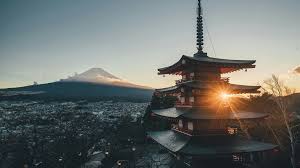
Tauck’s Japan programs consistently revolve around iconic urban and cultural centers. Tokyo is often the arrival gateway, offering modern contrast through neon-lit districts, traditional Asakusa temples, and curated dining experiences. Kyoto provides historical immersion with geisha districts, Zen gardens, and preserved wooden architecture. Mount Fuji commonly appears as a scenic highlight, often accessed through Hakone lake cruises or panoramic viewpoints. Hiroshima introduces historical reflection and resilience narratives. Some itineraries include Osaka for culinary exploration, Kanazawa for artisan culture, and Hakone for onsen relaxation and mountain scenery. These locations create a structured balance between metropolitan innovation and preserved heritage.
Structural Framework of a Typical Tauck Japan Tour
Tauck Japan tours usually span 10 to 14 days. The structure follows a predictable yet efficient sequence: airport arrival support, welcome dinner, city orientation tours, regional transfer days via bullet train, cultural immersion blocks, and concluding farewell experiences. Daily schedules are tightly timed but rarely rushed. Mornings emphasize major landmarks while afternoons allow controlled free time. Evenings often feature group dining experiences at carefully selected restaurants. Pace indicators are generally moderate, appealing to mature travelers who appreciate comfort without physical strain. Luggage handling is arranged throughout, minimizing traveler stress when changing cities.
Accommodation Standards and Hospitality Positioning
Tauck Japan properties typically include four-star and five-star hotels located in central districts or scenic regions. Rooms are often Western-style with private baths, though occasional traditional ryokan experiences may be included depending on itinerary. The accommodation philosophy is rooted in comfort and location efficiency rather than experimental minimalism. Breakfasts are usually included, blending Western and Japanese options. Service consistency is a defining feature. For travelers unfamiliar with Japanese hospitality standards, Tauck ensures cultural translation while maintaining luxury familiarity.
Transportation Logistics and Seamless Mobility
Japan’s transportation infrastructure is world-renowned for precision and efficiency. Tauck leverages this advantage through reserved Shinkansen seats, private charter coaches, and organized transfers. Rather than asking travelers to navigate ticket machines or platform signage independently, Tauck manages timing and baggage. Bullet train journeys become experiential highlights rather than logistical stress points. Motorcoaches are used for scenic regional travel where rail access is limited. Travel days are choreographed to avoid unnecessary waiting periods.
Cultural Immersion Components and Enrichment Value
Tauck Japan itineraries emphasize structured cultural experiences. These may include tea ceremony demonstrations in Kyoto, sushi-making workshops in Tokyo, calligraphy sessions, visits to sake breweries, and guided explorations of traditional gardens. The educational dimension often includes storytelling about Shinto and Buddhist traditions, samurai heritage, and post-war modernization. Rather than providing surface-level sightseeing, Tauck attempts to contextualize experiences within Japan’s philosophical and historical frameworks. Guides play a critical role, acting as interpreters of nuance rather than simple navigators.
Audience Profile and Ideal Traveler Type
The Tauck Japan traveler typically falls into one of several categories: affluent retirees, culturally curious couples, multigenerational families in premium programs, and travelers who prefer escorted structure over independent planning. Many are first-time visitors to Japan seeking reassurance. The brand appeals strongly to English-speaking markets, particularly North America. The audience values predictability, comfort, and depth without logistical challenge. Independent backpackers or hyper-budget travelers are not the target demographic.
Pricing Structure and Value Consideration
Tauck tours are positioned at the higher end of the escorted travel market. Pricing generally includes accommodations, many meals, internal transportation, entry fees, gratuities, and guided services. When broken down per day, the cost reflects bundled luxury services rather than standalone sightseeing. Travelers must evaluate value not solely on hotel rates but on convenience, cultural access, and time efficiency. For some, the premium cost replaces the complexity of planning and potential errors. For others, independent travel may feel more flexible.
Daily Itinerary Flow and Experience Rhythm
A typical day may begin with breakfast at the hotel followed by a guided excursion to a temple complex. Midday might include lunch at a local restaurant, after which the group transitions to another district or attraction. Free time is often integrated in late afternoon for personal exploration. Evenings frequently feature curated dinners. The rhythm balances guided oversight with controlled autonomy. The design prevents exhaustion while maximizing cultural exposure.
Comparison With Independent Travel in Japan
Japan is considered one of the safest and most navigable countries for independent travelers. English signage in major cities is increasingly common. However, language barriers remain in rural areas and traditional establishments. Tauck’s advantage lies in cultural interpretation and access to pre-arranged experiences. Independent travel offers flexibility and potential cost savings but demands research and coordination. Travelers must assess their comfort level with planning rail passes, hotel bookings, and reservation-heavy dining culture.
Strengths of Tauck Japan Programs
Strengths include consistent quality control, strong guide leadership, seamless transitions between cities, premium lodging, and immersive storytelling. Group size is generally manageable, allowing cohesive interaction. The brand’s decades of experience contribute to operational reliability. Cultural activities feel curated rather than random.
Potential Limitations and Considerations
While structured travel offers clarity, it can limit spontaneity. Travelers who prefer slow, unstructured wandering may find the schedule restrictive. Premium pricing may deter cost-conscious explorers. Group dynamics can vary depending on participant personalities. Additionally, certain highly popular tourist sites may still involve crowds despite careful timing.
Seasonal Variations and Best Time to Travel
4
Spring brings cherry blossoms and peak tourism. Autumn offers vibrant foliage and comfortable temperatures. Summer introduces festival culture but also humidity. Winter provides serene landscapes and fewer crowds. Tauck itineraries adjust pacing and highlight seasonal events where possible. Selecting travel season impacts pricing, crowd density, and photographic opportunity.
Culinary Experiences and Gastronomic Exposure
Food in Japan extends far beyond sushi stereotypes. Tauck programs may introduce regional specialties such as okonomiyaki in Osaka, kaiseki dining in Kyoto, tempura tastings, and sake sampling. Meals are not merely sustenance but cultural education. Dietary accommodations are typically managed in advance. The emphasis is on authenticity presented in an approachable format for international guests.
Historical Context Integration
Visits to Hiroshima are handled with solemnity and historical depth. Temples and shrines are contextualized within Shinto and Buddhist traditions. Samurai-era castles and Edo-period districts are framed within broader sociopolitical transitions. Rather than presenting isolated monuments, guides often connect narratives across centuries.
Family-Focused Variants and Multigenerational Design
Tauck also offers family-oriented programs that adapt pacing and activities for younger participants. These versions incorporate interactive workshops, cultural games, and hands-on demonstrations. The goal is to maintain engagement across age groups without sacrificing educational integrity.
Photography and Visual Storytelling Opportunities
Japan offers striking visual contrasts from neon urban landscapes to tranquil bamboo forests. Tauck itineraries frequently position travelers at scenic viewpoints during optimal lighting conditions. Early morning temple visits and late afternoon garden walks enhance photographic results.
Sustainability and Cultural Respect
Responsible travel in Japan requires attention to etiquette such as temple behavior, shoe removal customs, and public transportation norms. Tauck emphasizes respectful conduct and group cohesion. Environmental impact is moderated through use of public high-speed rail and centralized logistics.
Emotional Experience and Memory Creation
Beyond logistics, the emotional arc of a Tauck Japan tour often follows discovery, reflection, awe, and appreciation. First impressions in Tokyo generate excitement. Kyoto inspires contemplation. Hiroshima fosters solemn respect. Scenic landscapes restore tranquility. The cumulative impact is layered and multidimensional.
Market Positioning Within Premium Guided Travel
Within the luxury escorted tour market, Tauck competes with other high-end operators offering curated Asian itineraries. Its differentiators include brand longevity, comprehensive inclusions, and refined group management. The brand avoids overt extravagance while maintaining elevated standards.
Strategic Insights for Prospective Travelers
Travelers considering Tauck Japan should evaluate personal travel style, desired autonomy level, budget flexibility, and interest in guided cultural interpretation. Booking well in advance is advisable during peak seasons. Reviewing itinerary pacing details helps set expectations. Understanding what is included prevents financial surprises.
Advanced Planning Considerations
Travel insurance is recommended for long-haul journeys. Currency exchange planning, luggage size management, and awareness of cultural etiquette enhance readiness. Even though Tauck manages logistics, personal preparation contributes to overall comfort.
Long-Term Value and Repeat Travel Potential
Many travelers view escorted tours as introductory experiences. After completing a Tauck Japan journey, some choose to return independently to explore specific regions more deeply. The structured exposure can serve as foundational orientation for future travel.
Final Perspective on Tauck Japan Experience
Tauck Japan represents a structured, premium pathway into one of the world’s most fascinating cultural landscapes. It minimizes uncertainty while maximizing curated exposure. It suits travelers who prioritize comfort, education, and logistical simplicity. It may not satisfy those who crave improvisation or ultra-budget exploration. Ultimately, the value lies not only in destinations visited but in the orchestration of time, narrative depth, and experiential cohesion. For travelers seeking reassurance alongside cultural immersion, Tauck Japan offers a carefully constructed gateway into tradition, innovation, and timeless aesthetic beauty.
You may also like
Leave a Reply