Title For Mideast Ruler: Complete Historical, Cultural.
Title for Mideast ruler requires far more than identifying a single word such as emir or sultan. The Middle East is a region shaped by thousands of years of imperial evolution, tribal governance, religious authority, dynastic legitimacy, colonial restructuring, and modern state formation. Titles used by rulers across this region are not merely ceremonial labels. They reflect legitimacy, sovereignty, religious authority, military power, lineage, colonial adaptation, and constitutional structure. A comprehensive exploration must therefore examine the linguistic roots, pre-Islamic precedents, Islamic imperial transformations, Ottoman influence, Persian dynastic systems, modern constitutional monarchies, revolutionary leadership models, and contemporary political semantics. This article provides an in-depth, structured, advanced analysis of every major ruling title historically and currently associated with Middle Eastern leadership, including their etymology, geopolitical distribution, symbolic meaning, power scope, ceremonial protocol, and modern adaptations.
Defining the Middle East in Political and Historical Context
Before analyzing titles, it is essential to clarify what constitutes the Middle East. The term typically includes Western Asia and parts of North Africa, encompassing Arab states, Iran, Turkey, and Israel. Historically, the region has been influenced by Mesopotamian empires, Persian dynasties, Hellenistic kingdoms, Roman provinces, Islamic caliphates, Ottoman rule, colonial mandates, and post-World War nation states. Each era introduced different governance models, resulting in layered and sometimes overlapping titles.
The region cannot be understood as monolithic. Titles in the Arabian Peninsula differ from those in Persia. Turkish leadership terminology evolved separately from Arab traditions. North African Islamic monarchies incorporated Berber and Andalusian influences. Therefore, the title for a Mideast ruler depends heavily on geography, historical continuity, and constitutional structure.
Pre-Islamic Ruler Titles in the Middle East
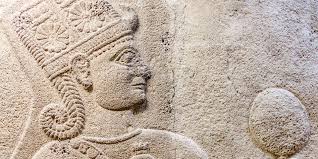
Long before Islam, Middle Eastern rulers bore titles reflecting divine kingship and imperial supremacy. In ancient Mesopotamia, rulers used titles equivalent to king, lord of the four quarters, or great king. Persian Achaemenid monarchs adopted the title King of Kings, symbolizing authority over subordinate kings. This concept later influenced Islamic and Ottoman ceremonial structures.
Pharaoh in ancient Egypt represented both political and divine authority. In Anatolia, Hittite rulers used imperial titles emphasizing supreme command. These early systems established the idea that titles are not only political identifiers but also theological declarations.
Key features of pre-Islamic titles included divine association, territorial claim, military supremacy, hereditary legitimacy, and symbolic universalism. These features later influenced Islamic and Ottoman adaptations.
Emergence of Islamic Governance Titles
With the rise of Islam in the 7th century, political leadership became tied to religious authority. The first major Islamic leadership title was Caliph, meaning successor. This referred to the successor of the Prophet Muhammad in political leadership of the Muslim community.
Over time, variations emerged as Islamic territories expanded. The Caliphate split into rival centers of power, and alternative titles developed for regional rulers who acknowledged or rejected caliphal supremacy.
Islamic political titles reflected:
• Religious legitimacy
• Tribal alliances
• Military conquest
• Dynastic inheritance
• Administrative control
Understanding Islamic titles requires recognizing the distinction between spiritual leadership and territorial governance.
Caliph and the Concept of Universal Islamic Leadership
The Caliph historically represented the supreme leader of the Muslim world. Although no active caliphate exists today, the historical significance of the title shaped centuries of governance.
Characteristics of the Caliph title included:
• Guardian of Islamic law
• Commander of the faithful
• Political head of a unified Islamic state
• Symbol of unity across ethnic groups
The Umayyad and Abbasid dynasties institutionalized the caliphate as imperial monarchy while maintaining religious symbolism. Later Ottoman sultans adopted the title of Caliph to strengthen global Muslim legitimacy.
The disappearance of the caliphate in the early twentieth century reshaped Middle Eastern political identity and strengthened national monarchies.
Sultan: Authority Through Power and Sovereignty
The title Sultan originates from the Arabic word for authority or power. Unlike Caliph, which implied religious succession, Sultan emphasized temporal authority and effective governance.
Sultans ruled powerful states, including the Seljuk Empire and the Ottoman Empire. The title suggested sovereign independence even if nominal allegiance to a Caliph existed.
Distinctive characteristics of the Sultan title:
• Military-based authority
• Territorial sovereignty
• Dynastic monarchy
• Administrative centralization
• Often hereditary succession
The Ottoman Sultan combined imperial authority with caliphal symbolism, creating a hybrid model of leadership.
Emir and Amir: Command and Regional Authority
The title Emir, also spelled Amir, derives from the Arabic term meaning commander. Historically, it indicated military leadership or governance over a province or territory.
Emir was often subordinate to a Caliph or Sultan but could also function independently. In modern usage, it denotes monarchs in Gulf states.
Core attributes of Emir:
• Military or tribal leadership roots
• Regional or national authority
• Often hereditary
• Religious and tribal legitimacy
• Constitutional monarchy in modern context
Modern Gulf monarchies retained this title to emphasize traditional lineage and continuity with Islamic heritage.
Shah and Persian Imperial Authority
In Persian political culture, Shah means king. Historically used by Persian dynasties, it symbolized imperial sovereignty and centralized monarchy.
The Shah of Iran represented dynastic continuity dating back to ancient Persia. The extended form Shahanshah, meaning King of Kings, evoked Achaemenid imperial grandeur.
Persian titles emphasized:
• Imperial grandeur
• Civilizational continuity
• Cultural distinctiveness from Arab leadership
• National identity
Following revolution in Iran, monarchic titles were replaced with religious republican terminology.
Ayatollah and Religious Political Leadership
Although not a monarchic title, Ayatollah represents high religious authority in Shia Islam. In certain contexts, religious authority translated into political leadership.
In post-monarchical Iran, supreme political authority merged with religious scholarship, creating a unique governance model where clerical rank determines state leadership.
This illustrates how Middle Eastern ruler titles can derive from religious scholarship rather than hereditary monarchy.
King and Constitutional Monarchy in the Middle East
Several Middle Eastern states use the title King. Unlike purely Islamic titles, King reflects adaptation to global monarchical language while maintaining Islamic legitimacy.
Characteristics of modern kingship in the region:
• Constitutional frameworks
• Dynastic succession
• Religious symbolism
• International diplomatic recognition
• Balance between tradition and modern governance
Kings often adopt additional religious titles such as Custodian of Holy Sites to reinforce legitimacy.
President in Middle Eastern Republics
Following decolonization and nationalist movements, several Middle Eastern states became republics. Their rulers hold the title President.
Presidential authority in the region varies widely:
• Some function as elected heads of state
• Others exercise concentrated executive authority
• Some represent military-backed governance
Unlike monarchic titles, President reflects modern republican political structure rather than tribal or dynastic legitimacy.
Supreme Leader and Hybrid Authority Models
Some Middle Eastern governance systems combine religious authority with republican structures. Titles such as Supreme Leader represent ultimate constitutional authority above elected institutions.
These titles emphasize ideological legitimacy, revolutionary continuity, and religious guardianship.
Hybrid leadership models demonstrate that the concept of a ruler title in the Middle East extends beyond monarchy.
Tribal and Honorary Titles
In addition to state titles, tribal leadership titles remain influential. Sheikh, for example, denotes tribal elder or respected leader.
While Sheikh can indicate state ruler in some contexts, it often refers to social or tribal authority rather than formal state sovereignty.
Tribal titles are significant because:
• They maintain social order
• They legitimize ruling families
• They reinforce alliances
• They preserve cultural continuity
Geographic Distribution of Modern Ruler Titles
Arabian Peninsula: Emir, King, Sultan
Levant: King, President
Iran: Supreme Leader, President
Turkey: President
North Africa: King, President
Gulf States: Emir, Sultan, King
Regional diversity reflects historical legacies and colonial boundaries.
Linguistic Roots and Semantic Evolution
Most Middle Eastern titles originate from Arabic or Persian roots. Arabic terms emphasize authority and command, while Persian terms highlight kingship and imperial heritage.
Semantic shifts occurred as:
• Religious authority declined in political role
• Colonial influence introduced Western governance models
• National identity replaced imperial unity
• Constitutional frameworks redefined sovereignty
Understanding etymology reveals how legitimacy is communicated.
Ceremonial Protocol and Address
Formal address differs depending on title. Monarchs may be addressed as Your Majesty, Your Highness, or equivalent honorifics in Arabic.
Protocol emphasizes hierarchy and cultural respect. Diplomatic usage often combines English honorifics with Arabic titles.
Understanding protocol is crucial for diplomatic and cultural engagement.
Power Scope and Authority Spectrum
Ruler titles correlate with authority scope:
• Absolute monarchies grant concentrated executive power
• Constitutional monarchies limit authority
• Republics distribute power among institutions
• Hybrid religious systems centralize ideological control
Title alone does not define authority; constitutional structure determines actual governance.
Historical Transition from Empire to Nation State
Ottoman and Persian empires once unified vast territories under imperial titles. After their dissolution, nation states adopted new titles reflecting modern sovereignty.
Transformation factors included:
• European colonial mandates
• Nationalist movements
• Oil wealth and modernization
• Constitutional reforms
Titles adapted to modern international law while preserving cultural legitimacy.
Symbolism Embedded in Ruler Titles
Titles carry symbolic meanings:
• Divine sanction
• Tribal heritage
• Revolutionary ideology
• National unity
• Religious guardianship
Symbols embedded in titles reinforce authority beyond legal frameworks.
Comparison Table of Major Titles
Caliph: Religious and political successor, universal authority
Sultan: Sovereign ruler, military-based authority
Emir: Commander or regional monarch
Shah: Persian king
King: Constitutional or traditional monarch
President: Elected or executive republican leader
Supreme Leader: Ideological-religious authority
Each title reflects historical origin and governance philosophy.
Cultural Importance of Titles in Public Perception
Titles influence:
• National identity
• Religious loyalty
• International prestige
• Domestic legitimacy
Citizens often associate titles with stability, heritage, and leadership style.
Evolution in the Twenty-First Century
Modern globalization pressures traditional titles to adapt. Monarchies implement reforms while maintaining heritage. Republics refine constitutional authority.
Digital communication and international diplomacy require standardized English translations while preserving native terminology.
Legal Codification of Titles
Many Middle Eastern constitutions formally define the ruler’s title. Legal texts outline succession rules, executive authority, ceremonial responsibilities, and oath procedures.
Codification ensures continuity and prevents disputes.
Succession Systems
Monarchies typically follow hereditary succession. Some use primogeniture; others allow family councils to select the next ruler.
Republics rely on elections or legislative processes.
Succession stability is critical to political continuity.
Military Influence on Leadership Titles
Military leaders have sometimes assumed presidential titles following coups. This demonstrates how political authority can shift without altering formal terminology.
The title President may conceal varied origins of power.
Religious Legitimacy as Political Capital
Islamic jurisprudence historically legitimized rulers who maintained justice and stability. Religious endorsement strengthens monarchic authority.
Some rulers claim descent from revered lineages to reinforce legitimacy.
International Recognition and Diplomatic Implications
The international community recognizes state titles in treaties and diplomacy. Translation into English standardizes communication, but domestic usage remains culturally rooted.
Diplomatic hierarchy depends on recognized sovereignty rather than semantic variation.
Distinguishing Ceremonial and Executive Roles
In some systems, the ruler serves primarily ceremonial functions while elected officials manage governance. In others, rulers hold direct executive power.
Analyzing authority requires examining constitutional frameworks rather than relying solely on title.
Impact of Oil Wealth on Modern Monarchies
Economic resources allowed certain monarchies to modernize infrastructure while preserving traditional titles. Wealth strengthened dynastic continuity and global influence.
Economic power reinforces political stability.
Media Representation and Title Usage
International media often simplifies Middle Eastern ruler titles for Western audiences. This can obscure nuanced historical meaning.
Accurate terminology improves understanding of governance systems.
Common Misinterpretations
Confusion frequently arises between Emir and Sheikh, Sultan and King, Caliph and Sultan. These distinctions are rooted in history and authority scope.
Clarifying differences enhances cultural literacy.
Role of Colonial Administration
European colonial powers introduced constitutional frameworks and sometimes influenced title adoption. For example, protectorates retained traditional titles while operating under colonial oversight.
Post-colonial reforms reshaped legitimacy narratives.
National Branding and Leadership Identity
Modern states use ruler titles as part of national branding. Tourism, diplomacy, and international investment often highlight traditional leadership identity.
Titles contribute to soft power.
Gender and Leadership Titles
Historically male-dominated, some Middle Eastern states now include women in significant leadership roles. Titles adapt linguistically to reflect gender inclusivity in certain contexts.
This marks gradual transformation in political culture.
Educational Value of Understanding Ruler Titles
Students studying Middle Eastern politics must understand historical context behind titles to interpret governance accurately.
Titles provide insight into constitutional design, religious authority, and regional history.
Practical Guidance for Writers and Researchers
When referencing a Middle Eastern ruler:
• Use official English translation of title
• Verify constitutional designation
• Respect cultural honorifics
• Avoid generalization across the region
Accuracy strengthens credibility.
Future Trends in Middle Eastern Leadership Terminology
While traditional titles persist, governance reforms may redefine authority scope. Constitutional modernization could further align terminology with international norms.
However, cultural attachment to historical titles suggests continuity rather than disappearance.
Comprehensive Conclusion
The title for a Mideast ruler cannot be reduced to a single word or definition. It is a layered construct shaped by ancient imperial tradition, Islamic jurisprudence, tribal structure, Persian heritage, Ottoman centralization, colonial intervention, nationalist revolution, constitutional reform, and modern globalization. Titles such as Caliph, Sultan, Emir, Shah, King, President, and Supreme Leader each embody distinct philosophies of governance and legitimacy. Understanding these titles requires analyzing their linguistic roots, symbolic meaning, legal codification, historical evolution, cultural resonance, and contemporary adaptation. The Middle East remains one of the most politically diverse regions in terms of leadership designation. Recognizing this diversity enhances geopolitical literacy, diplomatic awareness, and academic comprehension. A comprehensive examination of ruler titles reveals not only political hierarchy but also civilizational identity, religious authority, and national continuity that continue to shape governance across the region today.
You may also like



Leave a Reply