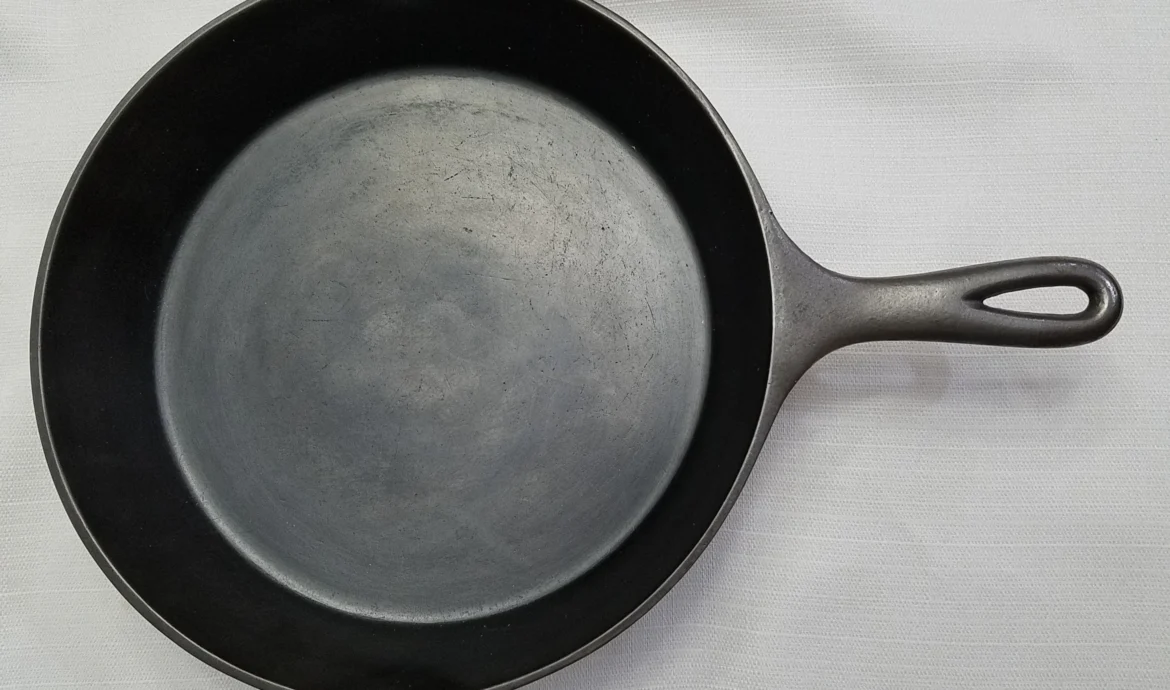
Wagner Cast Iron Pans: Complete History Identification Guide
Wagner cast iron pans represent one of the most respected names in American cookware history. Whether you are a home cook, a vintage collector, a restoration enthusiast, or someone who recently inherited an old skillet from a family member, understanding Wagner cast iron requires more than surface-level knowledge. These pans are not just cooking tools. They are historical artifacts, performance instruments, and long-term investment pieces.
This in-depth guide explores the legacy, identification methods, manufacturing evolution, collector value, restoration science, cooking performance, metallurgy, pricing structure, and long-term maintenance strategies for Wagner cast iron pans. The goal is to provide advanced, structured, and complete information in one unified resource.
The Historical Foundation of Wagner Cast Iron
Wagner Manufacturing Company was founded in 1891 in Sidney, Ohio. During the late 19th and early 20th centuries, cast iron cookware was a staple in American kitchens. Wagner quickly became one of the dominant manufacturers alongside brands like Griswold Manufacturing Company and later competitors such as Lodge Manufacturing Company.
Wagner’s success was built on three core principles:
• Precision casting
• Smooth cooking surfaces
• Mass production efficiency
Unlike many modern cast iron pans, vintage Wagner skillets were machined after casting to produce an ultra-smooth cooking surface. This machining process is one of the defining characteristics that separates vintage Wagner pans from contemporary mass-produced cast iron.
Manufacturing Evolution and Logo Timeline
One of the most important aspects of identifying Wagner cast iron pans is understanding the evolution of logos and markings. Over decades of production, Wagner used multiple logo variations that help collectors determine approximate age.
Early Stylized Logo Era (Late 1890s–Early 1900s)
These pans feature:
• Stylized Wagner logo
• Often include “Sidney – O” marking
• No “Made in USA” text
These are considered highly collectible due to age and craftsmanship.
Wagner Ware Sidney O Era (1910s–1950s)
This is one of the most common and recognized markings. Features include:
• Bold Wagner Ware arc logo
• “Sidney – O” beneath brand name
• Size numbers on handle or bottom
These pieces are widely respected for balance and smoothness.
Post-1959 Markings
After corporate transitions and ownership changes:
• “Made in USA” began appearing
• Logos became simplified
• Surface finishing declined gradually
Collectors often prefer pre-1960 pieces for craftsmanship quality.
Construction and Metallurgy Analysis
Vintage Wagner pans were created using sand casting molds followed by machine finishing. This combination produced:
• Thin yet durable sidewalls
• Lighter weight compared to modern cast iron
• Smooth interior cooking surface
The smooth surface enhances seasoning adherence and improves nonstick properties over time.
Modern cast iron is usually left with a rough sand-cast finish, whereas Wagner’s machining created near-glass-like smoothness.
Metallurgical Considerations
Wagner pans contain high carbon iron composition typical of cast iron cookware. Key properties include:
• Excellent heat retention
• Even heat distribution
• Long thermal stability
Because of thinner casting compared to modern pans, Wagner skillets often heat slightly faster while retaining heat efficiently.
Performance in Real Cooking Conditions
A Wagner cast iron skillet behaves differently from contemporary cast iron.
Heat Distribution
The thinner walls allow:
• Faster preheat time
• More responsive temperature control
However, because cast iron naturally conducts heat slowly compared to aluminum or copper, gradual heating is recommended.
Searing Quality
The smooth surface, once seasoned properly, provides:
• Excellent crust formation
• Reduced sticking
• Uniform browning
Baking and Oven Performance
Wagner pans perform exceptionally well in oven cooking due to:
• Stable heat retention
• Structural integrity
• Consistent surface heating
Many users prefer vintage Wagner for cornbread, skillet pies, and frittatas.
Weight Comparison and Handling Experience
Vintage Wagner pans are typically lighter than many modern cast iron alternatives. For example:
• A vintage 10-inch Wagner skillet often weighs less than a modern equivalent.
This improves maneuverability and comfort, especially for everyday cooking.
Collectors and cooks often cite weight balance as one of Wagner’s strongest advantages.
Identification Checklist for Authentic Wagner Cast Iron
To determine authenticity and approximate age, inspect:
- Logo style and font
- Presence or absence of “Made in USA”
- Surface smoothness
- Casting quality and seam lines
- Handle shape and reinforcement ridge
- Heat ring presence
The presence of a heat ring on the bottom often indicates older production intended for wood or coal stoves.
Condition Evaluation Framework
When assessing a Wagner cast iron pan, consider:
Structural Integrity
• Cracks around rim
• Hairline fractures
• Warping (spin test on flat surface)
Surface Condition
• Rust level
• Pitting severity
• Old seasoning buildup
Flatness Test
Place pan on flat surface. If it spins significantly, warping may affect cooking performance.
Collector Value and Market Positioning
Wagner cast iron occupies a middle-to-premium collector tier. Rare variations and early logo pieces can command higher value.
Factors influencing value:
• Age
• Logo variation
• Size number
• Condition
• Rarity
• Original lid inclusion
Griswold often commands higher prices, but Wagner remains highly desirable.
Restoration Science and Step-by-Step Strategy
Restoring Wagner cast iron requires precision.
Step 1: Stripping Old Seasoning
Methods include:
• Lye bath
• Oven cleaner method
• Electrolysis tank
Avoid aggressive grinding or sanding, which can damage surface smoothness.
Step 2: Rust Removal
• Vinegar soak (short duration only)
• Electrolysis system
Immediate drying after rust removal is essential.
Step 3: Re-Seasoning
- Apply thin coat of high smoke-point oil
- Wipe off excess thoroughly
- Bake upside down at high temperature
- Repeat multiple cycles
Thin layers create durable polymerized seasoning.
Advanced Seasoning Chemistry
Seasoning forms through polymerization of oils when heated past smoke point. This creates a bonded protective layer.
Preferred oils include:
• Flaxseed oil
• Grapeseed oil
• Canola oil
Multiple thin layers outperform a single thick application.
Cooking Techniques for Maximum Performance
Preheating Strategy
Always preheat gradually to avoid thermal shock.
Oil Application
Add oil only after pan reaches temperature to reduce sticking.
Cleaning Routine
• Use hot water
• Avoid harsh detergents
• Dry immediately
• Apply light oil coat after cleaning
Comparing Wagner to Other Cast Iron Brands
Compared to modern Lodge pans:
• Wagner is smoother
• Typically lighter
• Often more collectible
Compared to Griswold:
• Similar smoothness
• Slightly different logo prestige
• Comparable cooking performance
Each brand has unique collector appeal.
Modern Reissues vs Vintage Wagner
Modern reissues exist under revived branding, but they differ from true vintage pieces in:
• Manufacturing process
• Surface finishing
• Weight distribution
Collectors prioritize pre-1960 originals.
Common Buyer Mistakes
• Overpaying for common sizes
• Ignoring warping issues
• Confusing reproduction with vintage
• Sanding away original surface
Educated buyers inspect carefully before purchasing.
Long-Term Maintenance Strategy
To maintain Wagner pans for decades:
• Avoid soaking overnight
• Re-season when surface appears dull
• Store in dry environment
• Use regularly to maintain seasoning
Frequent use strengthens seasoning.
Investment Perspective
Vintage cast iron, including Wagner, has demonstrated stable long-term value among collectors.
Limited sizes or rare logos can appreciate over time.
However, purchase primarily for use and enjoyment rather than speculation.
Why Wagner Cast Iron Remains Relevant Today
Despite modern nonstick cookware advancements, Wagner remains respected because:
• It lasts generations
• It improves with use
• It contains no synthetic coatings
• It provides superior searing
Cast iron is sustainable, durable, and heirloom-quality.
Advanced Collector Insights
Serious collectors track:
• Logo variations by decade
• Rare size numbers
• Regional distribution patterns
• Packaging history
Documentation and research increase appraisal accuracy.
Frequently Asked Questions
Are Wagner cast iron pans worth it?
Yes, particularly vintage pieces with smooth interiors and no structural damage.
How can you tell the age?
Logo style, presence of “Made in USA,” and casting details provide clues.
Are they better than modern cast iron?
Performance is comparable, but vintage smoothness offers certain advantages.
Final Perspective
Wagner cast iron pans are more than cookware. They represent a century of American manufacturing craftsmanship, culinary tradition, and durable design philosophy. From early Wagner Manufacturing Company production to modern collector markets, these pans maintain relevance because of their functional excellence and historical value.
Whether you are restoring a century-old skillet, building a collection, or simply searching for a reliable pan that will outlast modern alternatives, Wagner cast iron remains a trusted choice.
Proper identification, careful restoration, and consistent maintenance ensure that these pans continue serving kitchens for generations.
The enduring appeal of Wagner cast iron lies in its simplicity: solid iron, precise casting, smooth surface, and performance that improves with time.
Do you like this personality?
You may also like


Leave a Reply