Warty Hopper Complete Guide: Biology, Meaning, Species.
The phrase “warty hopper” sounds playful, mysterious, and slightly poetic, yet it carries layered meaning. In literal biological interpretation, it most commonly refers to a toad—an amphibian known for textured, wart-like skin and powerful hopping movement. However, beyond this simple identification lies a world of anatomy, evolution, locomotion science, ecological adaptation, and behavioral strategy that makes the so-called warty hopper one of the most fascinating creatures in terrestrial ecosystems. This comprehensive guide explores the biological foundations, evolutionary context, anatomical mechanics, environmental significance, defensive systems, reproduction, physiology, mythological symbolism, and ecological importance of the warty hopper in extraordinary detail.
Understanding the Biological Identity of the Warty Hopper
In zoological classification, most creatures described as warty hoppers belong to the family commonly known as true toads. These amphibians differ from frogs in subtle but important anatomical and ecological ways. Their skin appears dry and covered in glandular bumps. These bumps are not actual warts but specialized glands that produce defensive secretions. Their hind limbs are structured for short, powerful hops rather than the long leaps typical of many frog species. Toads often prefer terrestrial habitats rather than permanently aquatic environments, which further reinforces the descriptive phrase warty hopper.
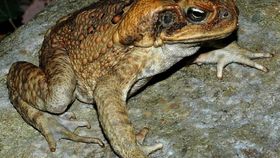
The skin texture of a warty hopper serves multiple purposes. The raised glandular structures help retain moisture, provide camouflage by breaking up surface light reflection, and deliver chemical defense. The most prominent glands are located behind the eyes and are known as parotoid glands. These secrete toxins that deter predators. When threatened, a warty hopper may inflate its body, tilt its head downward, and present these glands toward the aggressor.
Anatomical Design and Musculoskeletal Mechanics
The hopping ability of a warty hopper is a marvel of biomechanical engineering. Its hind legs are elongated relative to its body size and contain powerful extensor muscles. These muscles contract rapidly, storing elastic energy in tendons before releasing it in a sudden burst. Unlike frogs that often leap great distances, the warty hopper relies on shorter, more controlled hops suited for terrestrial movement among leaf litter, soil, and grass.
The pelvic girdle is uniquely adapted for shock absorption. A specialized rod-like structure allows partial flexibility, helping dissipate impact forces during landing. This reduces skeletal stress and allows repeated hopping without injury. The spine is short and fused in areas to provide rigidity during propulsion.
Skin Structure and Chemical Defense Systems
The “warty” aspect of the warty hopper is more than cosmetic. Each raised bump is associated with glands that serve defensive and physiological roles. Granular glands produce toxins, while mucous glands secrete moisture-retaining substances. These toxins are generally harmless to humans upon casual contact but can be dangerous to small animals if ingested.
The toxin composition includes bufotoxins, which can disrupt cardiac and neurological systems in predators. This chemical defense makes the warty hopper relatively safe from many mammals, birds, and reptiles. Interestingly, some predators have evolved resistance, illustrating the evolutionary arms race between predator and prey.
Habitat Preferences and Environmental Adaptation
Warty hoppers demonstrate remarkable adaptability. They inhabit forests, grasslands, agricultural fields, suburban gardens, and even semi-arid regions. Their terrestrial lifestyle distinguishes them from many amphibians that remain close to permanent water sources. However, breeding still requires water, which becomes a central factor in seasonal migration.
4
Camouflage plays a critical role in survival. The earth-toned coloration of the warty hopper blends seamlessly into soil and decomposing leaves. Their stillness when threatened enhances invisibility. Unlike bright-colored amphibians that advertise toxicity, warty hoppers rely on concealment first and chemical defense second.
Life Cycle and Reproductive Strategy
The life cycle of the warty hopper mirrors that of other amphibians but includes specific behavioral nuances. Breeding typically occurs in spring or during rainy seasons. Males gather near ponds or temporary water bodies and produce vocalizations to attract females. These calls vary by species and serve as acoustic identifiers.
After mating, females lay long strings of eggs in shallow water. These hatch into tadpoles within days. Tadpoles undergo metamorphosis over several weeks, gradually developing limbs, lungs, and adult digestive systems. During this stage, mortality rates are high due to predation and environmental fluctuation.
Metamorphosis represents one of the most dramatic biological transformations in the animal kingdom. The digestive tract shifts from herbivorous to carnivorous function. Gills are replaced by lungs. The tail is reabsorbed as limb musculature strengthens.
Feeding Ecology and Dietary Behavior
The warty hopper is primarily insectivorous. It consumes beetles, ants, spiders, caterpillars, flies, and other small invertebrates. Its feeding strategy relies on a rapid tongue projection mechanism. The tongue is attached at the front of the mouth rather than the back, allowing it to flip outward with incredible speed.
Vision is highly specialized for detecting motion. The warty hopper responds primarily to moving prey. Static food often goes unnoticed. This motion sensitivity is a result of neural circuitry tuned to detect rapid shifts in visual contrast.
Because of their diet, warty hoppers provide substantial ecological benefits. They help regulate insect populations and contribute to pest control in agricultural and garden settings.
Seasonal Behavior and Hibernation
In temperate regions, warty hoppers enter a dormant state during cold months. They burrow into soil, hide beneath logs, or occupy crevices to avoid freezing temperatures. This state, known as brumation, slows metabolic processes dramatically.
In hotter climates, they may undergo aestivation during dry periods. This involves burrowing into moist soil to retain hydration until environmental conditions improve.
Sensory Systems and Neurological Adaptations
The warty hopper’s sensory apparatus is finely tuned for survival. Large eyes provide a wide field of vision. A specialized membrane protects the eyes during feeding and swimming. Hearing is facilitated through a tympanic membrane located behind the eyes, allowing detection of mating calls and predator movement.
The vestibular system supports balance during hopping. Neurological pathways coordinate muscle contraction sequences for efficient locomotion.
Evolutionary Background and Phylogenetic Context
Amphibians have ancient evolutionary roots dating back hundreds of millions of years. The ancestors of modern warty hoppers transitioned from aquatic lobe-finned fish to land-dwelling tetrapods. Over time, adaptations such as lungs, limbs, and protective skin allowed colonization of terrestrial environments.
The divergence between frogs and toads reflects ecological specialization. Warty hoppers evolved thicker skin and enhanced toxin production, favoring terrestrial survival strategies.
Comparative Analysis: Warty Hopper Versus Smooth-Skinned Amphibians
4
Compared to smooth-skinned frogs, warty hoppers typically have shorter hind limbs, drier skin, and a preference for land. Frogs are often associated with aquatic habitats and longer leaps. Toad eggs are laid in strings, while frog eggs usually appear in clusters.
Ecological Importance and Environmental Indicators
Warty hoppers are bioindicators. Their permeable skin makes them sensitive to environmental toxins, habitat destruction, and climate change. Declines in their populations often signal broader ecosystem stress.
Their role in food webs is equally important. They serve as both predator and prey. While protected by toxins, some species such as certain snakes have developed resistance and rely on them as a food source.
Defensive Postures and Anti-Predator Behavior
When threatened, the warty hopper may inflate its body to appear larger. It can also secrete toxins and remain motionless to avoid detection. Some species produce distress calls to startle predators.
The inflation behavior works by filling lungs with air, expanding the body cavity, and tightening muscles. This increases apparent size and makes swallowing more difficult for predators.
Communication and Social Interaction
Although generally solitary, warty hoppers communicate during breeding seasons. Males compete acoustically. The frequency, duration, and rhythm of calls convey fitness and territorial claims.
Chemical communication may also occur through skin secretions. While not fully understood, pheromonal signaling likely influences reproductive behavior.
Advanced Physiological Insights
The respiratory system of a warty hopper includes lungs and cutaneous respiration. Oxygen exchange occurs through moist skin surfaces. This dual system allows flexibility in low-oxygen environments.
Their circulatory system includes a three-chambered heart. While less efficient than a mammalian four-chambered heart, it adequately supports amphibian metabolic needs.
The digestive system transitions dramatically during metamorphosis. Adult warty hoppers possess a muscular stomach for digesting chitin-rich insect exoskeletons.
Adaptation to Urban Environments
Warty hoppers increasingly inhabit suburban landscapes. Gardens provide food sources and moisture. Artificial ponds support breeding. However, pesticides pose significant risks. Road mortality during seasonal migration is also a growing concern.
Urban adaptation demonstrates behavioral plasticity. Some populations adjust breeding times in response to artificial light and temperature changes.
Conservation Considerations
Amphibians globally face habitat fragmentation, pollution, disease, and climate instability. Warty hoppers are vulnerable to fungal pathogens that affect skin function. Conservation efforts focus on habitat restoration, pollution reduction, and public awareness.
Preserving wetlands and reducing chemical runoff are critical steps in protecting these amphibians.
Cultural and Symbolic Perspectives
Throughout history, warty hoppers have appeared in folklore and mythology. They have been associated with transformation, resilience, and sometimes superstition. Their metamorphic life cycle symbolizes change and renewal.
In literature, toads often represent humility and hidden value. Their unassuming appearance contrasts with ecological importance.
Scientific Research and Experimental Use
Warty hoppers have contributed to scientific understanding in developmental biology and physiology. Studies of metamorphosis provide insight into hormonal regulation. Research into their toxins informs medical investigations.
Their adaptability makes them useful models for environmental impact studies.
Detailed Case Study of a Typical Warty Hopper Species
A representative species found across temperate regions demonstrates most characteristics described above. Adults measure several centimeters in length. Skin coloration ranges from brown to olive. Breeding occurs annually in shallow ponds. Lifespan can extend several years in the wild.
Juveniles disperse widely after metamorphosis, reducing competition and enhancing genetic diversity.
Interaction with Humans
Human attitudes toward warty hoppers vary from affection to aversion. Gardeners often appreciate their insect control benefits. Some cultural myths incorrectly suggest that handling them causes warts. This misconception arises from visual similarity between skin bumps and human warts but has no medical basis.
Education helps shift perception toward ecological appreciation.
Biomechanics of the Hop
The hop of a warty hopper involves coordinated contraction of gastrocnemius muscles. Tendons act as springs. Landing mechanics require forelimb stabilization and rapid muscular adjustment to prevent injury.
Repeated hopping efficiency depends on muscle fiber composition. Fast-twitch fibers support explosive movement, while slow-twitch fibers support sustained activity.
Thermal Regulation and Environmental Sensitivity
Being ectothermic, the warty hopper relies on environmental heat sources. It regulates body temperature through behavioral means such as basking or seeking shade. Moist microhabitats reduce dehydration risk.
Temperature influences metabolism, digestion rate, and reproductive timing.
Hydration Strategy and Water Balance
Water absorption occurs through a specialized pelvic patch. This area of skin facilitates rapid uptake from moist surfaces. Dehydration can impair physiological processes quickly, making access to moisture vital.
Some species create shallow burrows to retain humidity during dry spells.
Future Research Directions
Ongoing studies explore genetic adaptation, climate resilience, and disease resistance. Understanding how warty hoppers cope with environmental stress may provide insights into broader ecological resilience.
Emerging technologies allow tracking of migration patterns and habitat usage with greater precision.
Comprehensive Summary
The warty hopper, commonly understood as a terrestrial toad, represents a remarkable example of evolutionary adaptation, ecological integration, and physiological specialization. Its textured skin conceals advanced chemical defense systems. Its hopping locomotion reflects refined musculoskeletal design. Its life cycle embodies transformation and resilience. From forest floors to suburban gardens, the warty hopper plays an essential ecological role in regulating insect populations and supporting biodiversity. Despite misconceptions and environmental threats, it remains a symbol of adaptability. By understanding its anatomy, behavior, ecology, and evolutionary history, we gain deeper appreciation for one of nature’s most quietly extraordinary amphibians.
You may also like



Leave a Reply