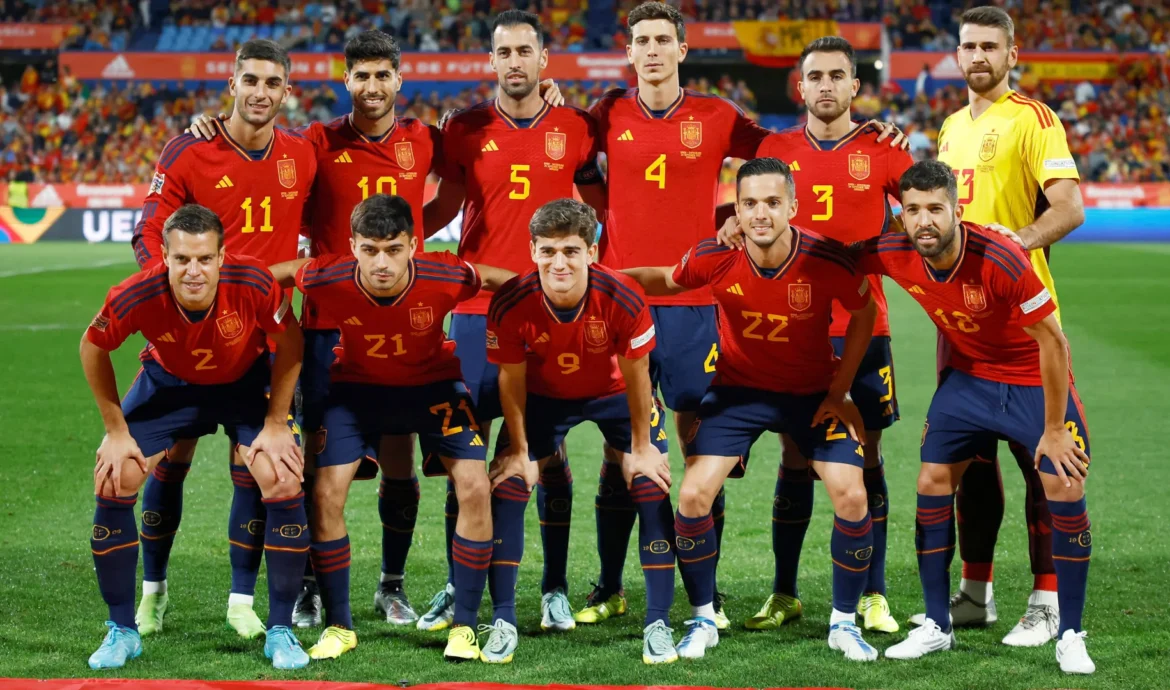
Spain World Cup History, Triumphs & Legacy
The spain world cup story is one of persistence, evolution, and ultimate success. Spain spent decades chasing football’s biggest prize before finally lifting the FIFA World Cup trophy in 2010.
From early tournament appearances to the rise of the famous tiki-taka style, Spain transformed itself into one of the most respected football nations in the world. The national team produced legendary players, memorable matches, and a football philosophy that influenced clubs and countries across the globe.
Spain’s World Cup history, its greatest achievements, famous players, tactical evolution, and the lasting impact of the spain world cup legacy on international football.
Spain World Cup History and Early Appearances
Spain first appeared in the FIFA World Cup in 1934. Since then, the nation has become one of the tournament’s most consistent participants. Over the decades, Spain regularly qualified for major competitions but often struggled to convert talent into championship success.
Several generations of talented players entered tournaments with high expectations. However, quarter-final exits and disappointing eliminations became a recurring theme.
Key milestones include:
- First World Cup appearance in 1934
- Fourth-place finish in 1950
- Multiple quarter-final appearances
- Consistent qualification since 1978
- Historic championship victory in 2010
Despite possessing world-class players, Spain spent many years searching for the formula that would help them conquer the world’s biggest football stage.
Challenges Before Success
Many football analysts referred to Spain as talented underachievers. The team frequently entered tournaments as contenders but failed to advance deep into knockout rounds.
However, these setbacks helped shape future generations and laid the foundation for a more successful era.
The Road to Spain World Cup Glory in 2010
The defining chapter of the spain world cup story came in South Africa in 2010.
After winning UEFA Euro 2008, Spain entered the tournament as one of the favorites. Their squad combined technical brilliance, tactical discipline, and exceptional teamwork.
Although Spain surprisingly lost its opening match against Switzerland, the team quickly recovered and dominated the remainder of the competition.
Key Moments of the Tournament
Spain defeated several strong opponents on their path to the final:
- Honduras
- Chile
- Portugal
- Paraguay
- Germany
- Netherlands
Each knockout-stage victory showcased Spain’s ability to control possession and dictate the pace of matches.
The final against the Netherlands remained tense until extra time. Andrés Iniesta scored the winning goal in the 116th minute, securing Spain’s first-ever World Cup title.
Why the 2010 Victory Was Historic
The triumph was significant because:
- It was Spain’s first World Cup championship
- Spain became one of the few nations to win the tournament
- The team completed a remarkable era that included Euro 2008 and Euro 2012 titles
- Their tactical style changed modern football
The 2010 success remains the pinnacle of the spain world cup legacy.
Tiki-Taka: The Tactical Revolution
One reason Spain achieved global success was the development of tiki-taka football.
This approach emphasized:
- Quick short passes
- Constant movement
- Ball possession
- Positional awareness
- High pressing
The style was heavily influenced by Spanish club football, particularly Barcelona’s philosophy. Players such as Xavi, Andrés Iniesta, Sergio Busquets, and Xabi Alonso became the perfect ambassadors for the system.
How Tiki-Taka Worked
Instead of relying on physical dominance, Spain focused on controlling matches through possession.
Benefits included:
- Reduced opponent opportunities
- Better game management
- Increased attacking control
- Strong defensive protection through possession
Many coaches worldwide later adopted similar tactical principles.
Influence Beyond Spain
The success of tiki-taka influenced:
- National teams
- European clubs
- Youth academies
- Modern coaching methods
As a result, Spain’s football philosophy became one of its most valuable exports.
Legendary Spain World Cup Players
No discussion of the spain world cup journey would be complete without recognizing the players who shaped its history.
Iker Casillas
Casillas captained Spain to World Cup glory in 2010.
His leadership, reflexes, and crucial saves played a major role throughout the tournament. Many consider him one of football’s greatest goalkeepers.
Xavi Hernandez
Xavi controlled games with unmatched passing ability.
His vision and intelligence formed the foundation of Spain’s midfield dominance.
Andrés Iniesta
Iniesta delivered one of the most famous moments in football history by scoring the winning goal in the 2010 final.
His creativity consistently unlocked defenses throughout his career.
David Villa
David Villa remains Spain’s leading World Cup scorer and one of the country’s greatest forwards. His goals were essential during the championship campaign.
Sergio Ramos
Known for leadership and defensive excellence, Ramos represented Spain across multiple World Cups and became one of the nation’s most capped players.
Spain World Cup Records and Statistics
The spain world cup record book contains several impressive achievements.
According to FIFA historical data, Spain ranks among the most experienced World Cup participants and has accumulated numerous victories across its appearances.
Notable Records
- World Cup champions in 2010
- More than 16 tournament appearances
- Over 100 World Cup goals scored
- Multiple quarter-final and semi-final appearances
- Consistent qualification streak since 1978
Top World Cup Goal Scorers
Leading Spanish World Cup scorers include:
- David Villa
- Emilio Butragueño
- Fernando Morientes
- Raúl
- Fernando Torres
These players contributed significantly to Spain’s international success.
Tournament Consistency
While Spain’s only title arrived in 2010, the team’s regular qualification record demonstrates long-term competitiveness on the global stage.
Spain After the 2010 World Cup Triumph
Winning the World Cup created enormous expectations.
However, maintaining success proved difficult.
Spain exited the 2014 tournament during the group stage and later suffered several disappointing knockout eliminations. Despite these setbacks, the national team remained among football’s elite nations.
New Generation of Talent
Recent years have introduced exciting players who could shape Spain’s future.
Examples include:
- Rodri
- Pedri
- Gavi
- Nico Williams
- Lamine Yamal
These players represent the next chapter in the evolving spain world cup story.
Modern Tactical Evolution
Spain no longer relies exclusively on classic tiki-taka.
Today’s team combines:
- Possession football
- Direct attacking play
- High pressing
- Greater tactical flexibility
This balanced approach reflects changes in modern football.
Why Spain World Cup Success Still Matters Today
The impact of Spain’s World Cup victory extends far beyond one tournament.
Their success demonstrated that technical excellence and teamwork could overcome physically stronger opponents.
The Spanish model continues to influence:
- Youth development systems
- Coaching philosophies
- Tactical education
- International football strategies
Many football experts still reference Spain’s golden generation when discussing the greatest national teams in history.
Lessons From Spain’s Journey
Football fans and coaches can learn several important lessons:
- Long-term development matters
- Team chemistry is crucial
- Tactical identity creates consistency
- Patience often leads to success
Spain’s rise from underachievers to world champions remains one of football’s most inspiring stories.
FAQs
1. When did Spain win the FIFA World Cup?
Spain won its first FIFA World Cup in 2010 after defeating the Netherlands 1-0 in the final.
2. How many times has Spain won the World Cup?
Spain has won the FIFA World Cup once, achieving the title in South Africa in 2010.
3. Who scored the winning goal in the 2010 World Cup final?
Andrés Iniesta scored the decisive goal during extra time against the Netherlands.
4. What is tiki-taka football?
Tiki-taka is a possession-based playing style focused on short passing, movement, and controlling matches through ball retention.
5. Who is Spain’s top World Cup goal scorer?
David Villa is Spain’s highest-scoring player in FIFA World Cup history.
Conclusion
The spain world cup journey represents one of football’s greatest success stories. For decades, Spain possessed talented players but struggled to achieve international glory. Everything changed in 2010 when a remarkable generation combined skill, discipline, and tactical brilliance to become world champions.
Beyond the trophy itself, Spain’s influence transformed football tactics and inspired teams around the world. The tiki-taka era remains one of the most studied periods in modern football history.
Today, a new generation continues to build upon that legacy while pursuing future success on the global stage. Whether you are a football fan, coach, or analyst, the story of Spain’s World Cup rise offers valuable lessons about patience, innovation, and teamwork.
Keep following the evolution of Spanish football to see how the next chapter of the spain world cup legacy unfolds.
You may also like



Leave a Reply