La Brasserie: A Comprehensive Guide to the Classic
La Brasserie represents one of the most iconic concepts in French cuisine, combining tradition, casual elegance, and culinary artistry. Its roots stretch back centuries, yet brasseries continue to thrive in modern urban life, offering both locals and travelers a unique dining experience.
Origins and History of La Brasserie
The term la brasserie” comes from the French word for brewing, as many early brasseries were originally breweries that also served meals. By the 19th century, brasseries had evolved into casual restaurants offering a mix of hearty meals, beer, and wine. Unlike formal dining establishments, brasseries became a place where people could enjoy high-quality food in a relaxed, sociable atmosphere.
Brasseries became particularly popular in Paris, where they served workers, travelers, and the emerging middle class. They often operated for extended hours, making them accessible at virtually any time of day.
Characteristics That Define a Brasserie
While there are many types of restaurants, certain features consistently define a brasserie:
- Open and welcoming atmosphere: Unlike fine dining restaurants, brasseries focus on comfort and social interaction.
- Extended service hours: Most brasseries operate throughout the day, offering breakfast, lunch, and dinner.
- Classic French menu: Signature dishes often include steak frites, coq au vin, mussels in white wine, croque monsieur, and escargots.
- Beer and wine selections: Originating from brewery roots, beer remains a central offering alongside French wines.
- Professional yet approachable service: Staff are trained to be knowledgeable but maintain a relaxed friendliness.
Understanding these traits helps visitors distinguish a brasserie from a bistro or café. While bistros are typically smaller and more intimate, and cafés focus primarily on coffee and pastries, brasseries balance ambiance, food, and drink.
Signature Dishes and Menu Highlights
One of the key attractions of a brasserie is its menu, which often blends classic recipes with seasonal variations. A typical menu may include:
- Starters: Onion soup gratinée, pâté de campagne, foie gras terrine.
- Main courses: Duck confit, boeuf bourguignon, salmon en papillote, and steak frites.
- Side dishes: Freshly baked bread, pommes frites, ratatouille, seasonal vegetables.
- Desserts: Crème brûlée, tarte tatin, mousse au chocolat, and profiteroles.
- Beverages: Local French wines, aperitifs, and a curated selection of beers.
Many brasseries emphasize freshness and seasonal produce, sourcing ingredients from local markets to maintain authenticity.
Brasserie Design and Ambiance
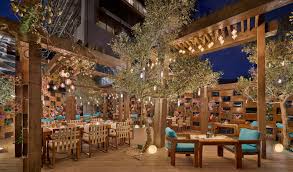
The interior design of a brasserie is an essential element that enhances the dining experience. Common design elements include:
- Traditional wooden furniture: Often complemented by brass fixtures and marble countertops.
- Art deco or Parisian café style: Many brasseries retain classic decorative features that evoke a sense of history.
- Open kitchen or visible bar area: Encourages interaction and adds vibrancy to the dining space.
- Ambient lighting: Warm lighting enhances comfort and encourages lingering conversations.
The atmosphere of a brasserie is deliberately casual yet stylish, striking a balance that appeals to both casual diners and special occasions.
Brasserie Culture Around the World
While originating in France, the brasserie concept has spread globally. Major cities like New York, London, Dubai, and Tokyo host brasseries that maintain traditional French menus while adapting to local tastes. This global reach demonstrates the versatility of the brasserie model and its enduring appeal.
Visitors to international brasseries often encounter slight modifications to cater to regional ingredients, dietary preferences, or local beverage pairings. However, the core essence—comfort, quality, and casual elegance—remains intact.
Tips for Choosing the Right Brasserie
Selecting a brasserie can significantly enhance your dining experience. Consider the following checkpoints:
- Location and accessibility: Central locations often provide better ambiance and consistent service quality.
- Menu variety: Look for a mix of classic dishes and seasonal specials to experience the breadth of French cuisine.
- Reviews and ratings: While online reviews are useful, prioritize establishments that emphasize traditional recipes and authentic ambiance.
- Ambiance and seating: Opt for brasseries with sufficient space and a comfortable layout, especially for longer meals.
- Beverage selection: A diverse wine list and beer options reflect attention to pairing and culinary experience.
Paying attention to these factors ensures a brasserie visit that combines authenticity, comfort, and gastronomic satisfaction.
Health and Sustainability Practices in Modern Brasseries
Modern brasseries increasingly emphasize sustainable practices and health-conscious dining. Key trends include:
- Local sourcing: Many brasseries now prioritize local, seasonal produce to reduce environmental impact and support regional farmers.
- Organic ingredients: Organic meats, vegetables, and dairy products are becoming standard in upscale brasseries.
- Waste reduction: Innovative practices include composting, recycling, and minimizing food waste.
- Dietary accommodations: Gluten-free, vegetarian, and vegan options are increasingly available to meet diverse customer needs.
These practices reflect both a growing awareness of environmental responsibility and a commitment to customer health and wellness.
Brasserie Etiquette and Dining Experience
A brasserie visit comes with a set of social and dining norms that enhance enjoyment:
- Casual dress codes: While upscale, brasseries are generally more relaxed than fine dining.
- Ordering etiquette: Patrons can enjoy multiple courses at a leisurely pace.
- Tipping: Standard practices vary by country, but a modest tip is appreciated in most regions.
- Interaction with staff: Friendly and knowledgeable waitstaff often guide diners through menu options and wine pairings.
Understanding etiquette ensures a seamless and pleasurable dining experience.
How to Experience Brasseries Like a Local
To truly appreciate the brasserie experience:
- Arrive early or mid-afternoon: Avoid peak times to enjoy a quieter ambiance.
- Try classic dishes: Opt for traditional recipes that showcase authentic French flavors.
- Engage with staff: Asking questions about dishes, preparation methods, or wine pairings adds depth to the experience.
- Observe the environment: Brasseries often reflect local culture, and observing the rhythm of service and patron behavior can be enlightening.
This approach allows diners to immerse themselves fully in the culture and tradition of brasseries.
Brasserie Innovations and Modern Trends
While maintaining tradition, many brasseries innovate to remain relevant:
- Fusion menus: Incorporating global flavors while retaining French techniques.
- Technology integration: Online reservations, digital menus, and contactless payments improve convenience.
- Experiential dining: Brasseries may host live music, cooking demonstrations, or wine-tasting events.
- Sustainable architecture: Eco-friendly interiors and energy-efficient operations reflect modern consumer expectations.
These trends ensure that brasseries remain appealing to contemporary audiences while honoring their heritage.
Conclusion
La Brasserie is more than a restaurant; it is a symbol of French culinary culture, combining tradition, comfort, and high-quality cuisine. Its global expansion demonstrates its enduring appeal, while innovations in menu, ambiance, and sustainability ensure relevance in modern times. For anyone seeking a dining experience that blends history, flavor, and social enjoyment, La Brasserie remains an unparalleled choice.
Whether you are visiting Paris, New York, or Dubai, understanding the core principles, signature dishes, and cultural significance of brasseries allows you to fully appreciate this timeless dining institution. By selecting the right establishment, engaging with staff, and exploring both classic and modern offerings, you can experience the true essence of La Brasserie.
You may also like


Leave a Reply