Axicon Verifier Calibration Sheet: Complete Guide for Accurate Barcode Verification
Barcode verification plays a critical role in modern supply chains, manufacturing operations, healthcare environments, and retail distribution networks. A small verification error can lead to rejected shipments, scanning failures, and compliance issues.
An axicon verifier calibration sheet is an essential component used to ensure barcode verifiers maintain accurate and reliable measurement performance. It provides traceable reference values that help operators calibrate their equipment according to internationally recognized standards.
Axicon verifier calibration sheet is, how it works, why calibration matters, and how businesses can maintain barcode verification accuracy. You’ll also discover best practices for storage, maintenance, compliance, and long-term quality assurance.
What Is an Axicon Verifier Calibration Sheet?
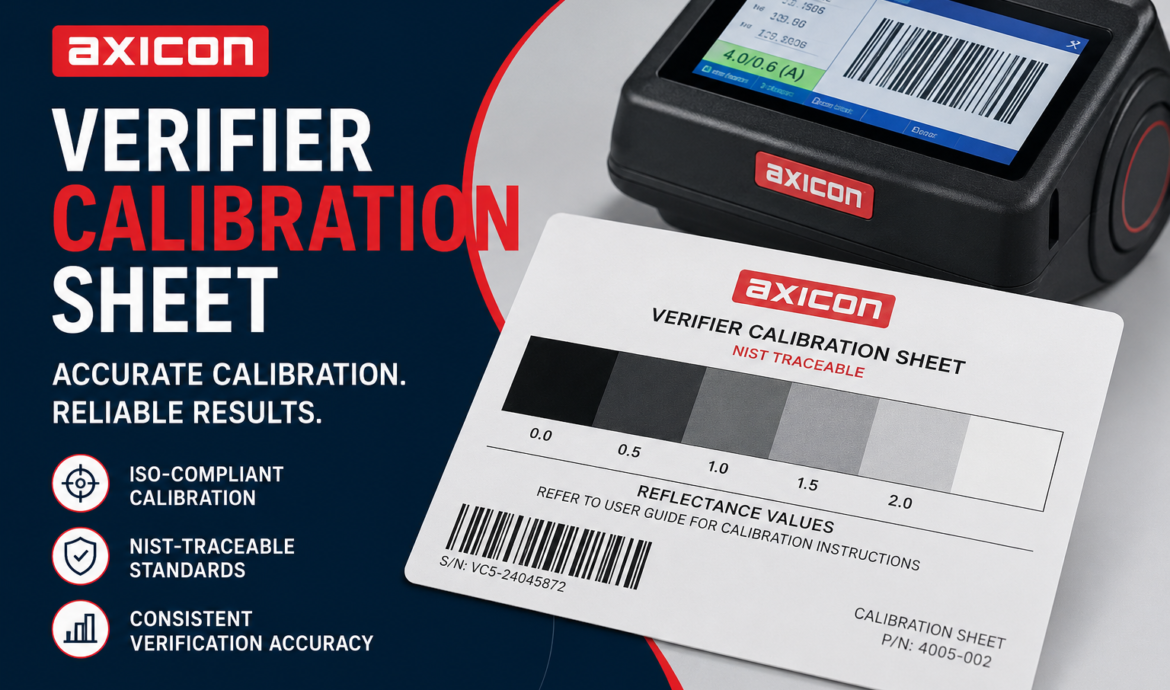
An axicon verifier calibration sheet is a specialized calibration card designed for barcode verification systems. It contains certified reflectance values that serve as reference standards during the calibration process.
The calibration sheet allows barcode verifiers to establish accurate measurements before evaluating barcode print quality. Without proper calibration, verification results may become unreliable.
According to Axicon documentation, calibration ensures the verifier measures barcode reflectance correctly and consistently according to ISO requirements. Calibration records are also automatically maintained within the system.
Key Functions of a Calibration Sheet
An axicon verifier calibration sheet helps:
- Establish accurate reflectance measurements
- Maintain ISO compliance
- Improve verification consistency
- Reduce barcode grading errors
- Support quality management programs
- Ensure repeatable verification results
Organizations that depend on barcode accuracy should treat calibration as a routine quality control procedure rather than an optional task.
Why Barcode Verifier Calibration Is Important
Preventing Measurement Errors
Even high-quality barcode verification equipment can experience performance drift over time. Environmental conditions, hardware aging, and operational usage may affect accuracy.
Regular calibration helps identify and correct these deviations before they impact barcode grading results.
Supporting ISO Compliance
Many industries require barcode verification according to international standards. Calibration ensures verification equipment remains aligned with these requirements.
Benefits include:
- Consistent grading performance
- Reliable audit documentation
- Improved supplier compliance
- Reduced product rejection risks
Protecting Supply Chain Efficiency
Poor barcode quality often leads to:
- Delayed shipments
- Warehouse scanning issues
- Inventory inaccuracies
- Customer complaints
A properly maintained axicon verifier calibration sheet helps reduce these risks by supporting accurate verification processes.
How an Axicon Verifier Calibration Sheet Works
Reference Reflectance Values
The calibration sheet contains certified reflectance measurements that the verifier uses as reference points.
When calibration begins, the verifier scans the calibration sheet and compares measured values against known certified values.
Any differences are automatically adjusted by the software, ensuring future barcode measurements remain accurate.
Traceability Standards
A major advantage of the axicon verifier calibration sheet is traceability.
Many calibration cards are NIST-traceable, meaning their measurements are linked to recognized national standards. This traceability supports quality assurance programs and regulatory compliance requirements.
Calibration Process Overview
The typical process includes:
- Launch verifier software.
- Connect the barcode verifier.
- Select calibration mode.
- Scan the calibration sheet.
- Confirm calibration completion.
- Review verification readiness.
The entire process usually requires only a few minutes.
ISO Standards and Verification Compliance
Understanding ISO Barcode Verification
Barcode verification differs significantly from barcode scanning.
A scanner simply reads the code. Verification evaluates print quality according to specific standards.
Several standards govern barcode verification performance, including:
- ISO/IEC 15416
- ISO/IEC 15415
- ISO/IEC 15426
These standards define how barcode quality should be measured and reported.
Role of Calibration in Compliance
Calibration forms the foundation of compliant verification.
Without proper calibration:
- Grade results may become inaccurate.
- Audits may raise concerns.
- Product quality records may lose credibility.
An axicon verifier calibration sheet ensures verification measurements remain aligned with accepted industry standards.
Industries That Depend on Compliance
Common sectors include:
- Pharmaceuticals
- Medical devices
- Manufacturing
- Food packaging
- Retail distribution
- Logistics operations
These industries often require documented verification processes for customer and regulatory requirements.
Benefits of Using an Axicon Verifier Calibration Sheet
Improved Verification Accuracy
Accurate calibration directly improves barcode grading reliability.
This helps operators identify genuine print quality issues instead of false failures caused by equipment drift.
Consistent Results Across Facilities
Organizations with multiple verification stations benefit from standardized calibration procedures.
Consistent calibration helps ensure:
- Uniform grading
- Reliable reporting
- Better supplier communication
Reduced Operational Risk
Calibration minimizes the chance of:
- Shipment rejection
- Barcode failures
- Rework expenses
- Compliance violations
Enhanced Quality Assurance
Quality teams can maintain confidence in verification data when an axicon verifier calibration sheet is used correctly and consistently.
Best Practices for Calibration Sheet Storage and Maintenance
Protect Against Environmental Damage
Calibration sheets contain precise reflectance values.
Improper handling may affect their performance over time.
Store calibration sheets:
- Away from direct sunlight
- In clean environments
- At stable temperatures
- Inside protective packaging
Avoid Physical Damage
Never:
- Fold the sheet
- Scratch the surface
- Apply labels
- Use abrasive cleaners
Physical damage can alter reflectance characteristics and compromise calibration accuracy.
Replace When Recommended
Calibration sheets have a limited service life.
Organizations should follow manufacturer recommendations regarding replacement intervals to maintain optimal accuracy.
Common Calibration Mistakes to Avoid
Skipping Scheduled Calibration
One of the most common mistakes is delaying calibration.
Even if the verifier appears functional, accuracy may gradually decline.
Using Damaged Calibration Sheets
A worn or contaminated axicon verifier calibration sheet can introduce inaccurate reference values.
Always inspect the sheet before use.
Ignoring Environmental Conditions
Excessive dust, moisture, and lighting variations may influence verification performance.
Maintain a controlled verification environment whenever possible.
Failing to Document Calibration Activities
Documentation supports:
- Internal audits
- Regulatory inspections
- Quality assurance reviews
Keep detailed calibration records for traceability purposes.
Choosing the Right Calibration Solution
Verify Compatibility
Before purchasing a calibration sheet, confirm compatibility with your verifier model.
Different verifier series may require specific calibration accessories.
Evaluate Traceability Requirements
Organizations operating under strict quality systems should prioritize traceable calibration standards.
This helps support audit readiness and compliance documentation.
Consider Long-Term Support
Look for suppliers that provide:
- Technical assistance
- Documentation
- Replacement availability
- Compliance guidance
Reliable support can simplify ongoing verification management.
Frequently Asked Questions
1. What is an axicon verifier calibration sheet used for?
An axicon verifier calibration sheet is used to calibrate barcode verification equipment and ensure accurate barcode quality measurements.
2. How often should I calibrate my barcode verifier?
Most manufacturers recommend regular calibration before use or according to operational requirements and quality procedures.
3. Can a damaged calibration sheet affect results?
Yes. Scratches, contamination, or aging may alter reflectance values and reduce calibration accuracy.
4. Why is traceability important in calibration?
Traceability links calibration values to recognized standards, improving reliability, compliance, and audit readiness.
5. Does every barcode verifier require calibration?
Yes. All professional barcode verification systems require periodic calibration to maintain accurate measurement performance.
Conclusion
Accurate barcode verification begins with proper calibration. An axicon verifier calibration sheet serves as a critical reference tool that helps barcode verifiers deliver consistent, reliable, and standards-compliant results.
Whether your organization operates in manufacturing, healthcare, logistics, pharmaceuticals, or retail, maintaining verification accuracy protects product quality and supply chain performance. Regular calibration helps prevent costly barcode failures, supports ISO compliance, and strengthens quality assurance programs.
By following proper storage practices, maintaining calibration schedules, and using certified calibration materials, businesses can maximize verifier performance and confidence in barcode grading results.
If barcode quality is important to your operation, make the axicon verifier calibration sheet a central part of your verification and compliance strategy.
You may also like



Leave a Reply